
 en
en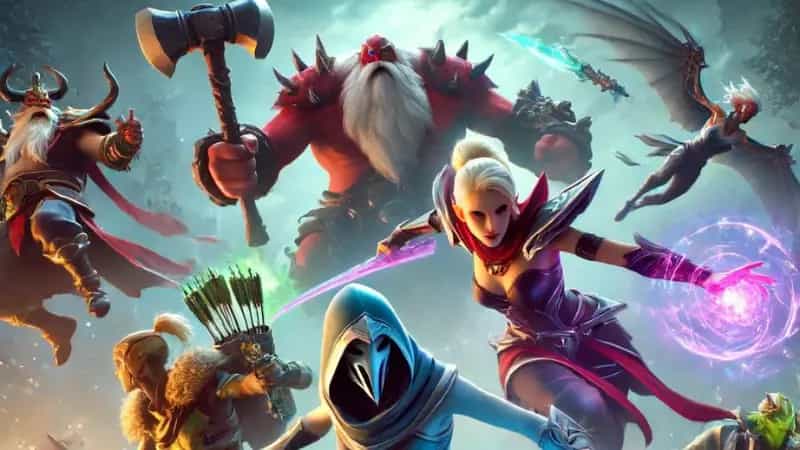
Understanding the Intricate Mechanics of Dota 2 Heroes
Dota 2 heroes are the core of the game's strategic depth, offering players a wide range of abilities and mechanics to master. Each hero possesses unique attributes and capabilities, making the game both challenging and rewarding. This article delves into the mechanics that define Dota heroes, providing a comprehensive guide to their attributes, leveling, complexity, and interactions.
Heroes are the essential main characters controlled by players in Dota 2. They can level up by gaining experience, which increases their attribute points and allows them to enhance their abilities. Heroes can also purchase items with gold, further enhancing their power and versatility.
Attributes and Primary Attributes
Dota heroes are characterized by three main attributes: strength, agility, and intelligence. Each hero has one primary attribute that determines their main source of power. For example, a strength-based hero like Axe gains extra damage and durability from strength points. In contrast, agility heroes like Phantom Assassin benefit from increased attack speed and armor. Intelligence heroes, such as Crystal Maiden, gain more mana and spell damage from intelligence points.
Universal heroes, a newer addition, benefit from all three attributes, making them versatile but often harder to master. Heroes level up by gaining experience, up to a maximum of level 30, which increases their attribute points and allows them to enhance their abilities. Heroes without a primary attribute are regarded as Universal and gain benefits from all three attributes, providing unique gameplay dynamics.
Hero Complexity
Valve rates the complexity of Dota heroes, indicating their difficulty level. High-complexity heroes, such as Invoker, often have intricate abilities and require precise control to be effective. These heroes are generally less reliable when not played correctly. Invoker, for example, can invoke a variety of spells from different combinations of his abilities, demanding a high level of skill and game knowledge.
On the other hand, low-complexity heroes like Bristleback are easier to play and more straightforward in their abilities, making them more accessible for new players. Despite being easier to play, low-complexity heroes can still be highly effective in the right hands. Heroes with maximum complexity have unique mechanisms and "hard-to-understand" abilities, often involving multi-unit control, which makes them challenging but rewarding for skilled players.
Spawning Mechanics
Heroes spawn at the beginning of each match after the picking phase, facing a specific direction based on their faction (Radiant or Dire). This initial spawn positioning can influence early game strategies and lane choices. Understanding these small details can provide an edge in the early moments of a game.
All heroes spawn once at the beginning of the match, provided the player has locked in their pick. They always spawn facing 45° toward the northeast (Radiant) or southwest (Dire), depending on their faction. This orientation can affect initial movements and positioning.
Clones and Illusions
Some heroes have abilities that create clones or illusions, which mimic the hero to varying degrees. Meepo, for instance, creates clones that respawn like regular heroes but share his fate—if one clone dies, all Meepos die. Arc Warden’s Tempest Double creates a clone that acts like a summon and can cast abilities, while Monkey King's Wukong's Command creates immobile clones that attack nearby enemies.
Illusions, such as those created by Phantom Lancer, do not respawn and disappear upon death. These illusions copy the hero but act as temporary summons, providing tactical advantages in combat by confusing opponents or dealing extra damage. Unlike hero clones, illusions despawn completely after dying and are created anew with each spell cast.
Killing and Dying Mechanics
Killing enemy heroes grants significant bonuses in gold and experience, scaling with the hero's level and current killing streak. A killing streak begins after three consecutive kills without dying and increases the hero's bounty, making them a high-value target. The first kill of the match, known as First Blood, grants an additional gold bonus, incentivizing aggressive early-game plays.
When a hero dies, they lose a portion of their unreliable gold, but their reliable gold remains intact. The death also results in a respawn timer that scales with the hero's level, with higher levels having longer respawn times. Heroes can mitigate this by using the buyback mechanic, which allows them to spend gold to instantly respawn at their fountain. Dying also results in the loss of any ongoing killing streak the hero has, which can significantly impact the game's dynamics.
Respawning and Buyback
After dying, heroes respawn after a delay based on their level. Upon respawning, they are temporarily invulnerable and untargetable until they perform an action, preventing spawn-camping tactics. The buyback mechanic enables heroes to return to the fight immediately, although it comes with a significant cost and increases the next respawn time.
The buyback status is displayed in multiple locations, allowing allies to coordinate their strategies based on who can return to the battlefield quickly. This mechanic adds a layer of strategic depth, as players must decide the optimal timing for using buyback. Buyback only takes from reliable gold first and then from unreliable gold, and its cost is based on a fraction of the hero's net worth.
Leveling and Abilities
Heroes start at level 1 and can level up to 30, gaining attribute points and ability points. Abilities are leveled up to increase their power, with most basic abilities having four levels and ultimates typically having three levels. Talents, which provide significant bonuses or changes to abilities, can be chosen at levels 10, 15, 20, and 25.
Experience is gained by being near enemy units when they are killed. This experience is shared among all nearby heroes, promoting teamwork and strategic positioning. Heroes continue to gain experience even when they reach the maximum level, although it no longer benefits them directly.
Ability Interactions
Hero abilities in Dota 2 have various interactions and effects, some of which are unique to heroes. Certain abilities cannot affect heroes at all, while others have modified effects when used on heroes. Understanding these interactions is crucial for effective gameplay. For example, Bane’s Fiend's Grip can disable a single hero, making it a powerful tool for controlling key enemy targets during fights.
Conclusion
Mastering Dota heroes involves understanding their attributes, abilities, and the various mechanics that influence their effectiveness. Whether you're playing a straightforward hero or a complex one, knowing these details can significantly improve your gameplay. With practice and knowledge, you can unlock the full potential of any hero in Dota 2.