
 en
en
CS2 Major Revenue Share Changes Are Pushing Organizations Away from Counter-Strike

Valve’s new CS2 Major revenue share model is already pushing organizations away from Counter-Strike. The change moved money out of the middle of the field, concentrated it at the top, and turned the Major circuit into a high risk project for any club that relied mostly on sticker income.
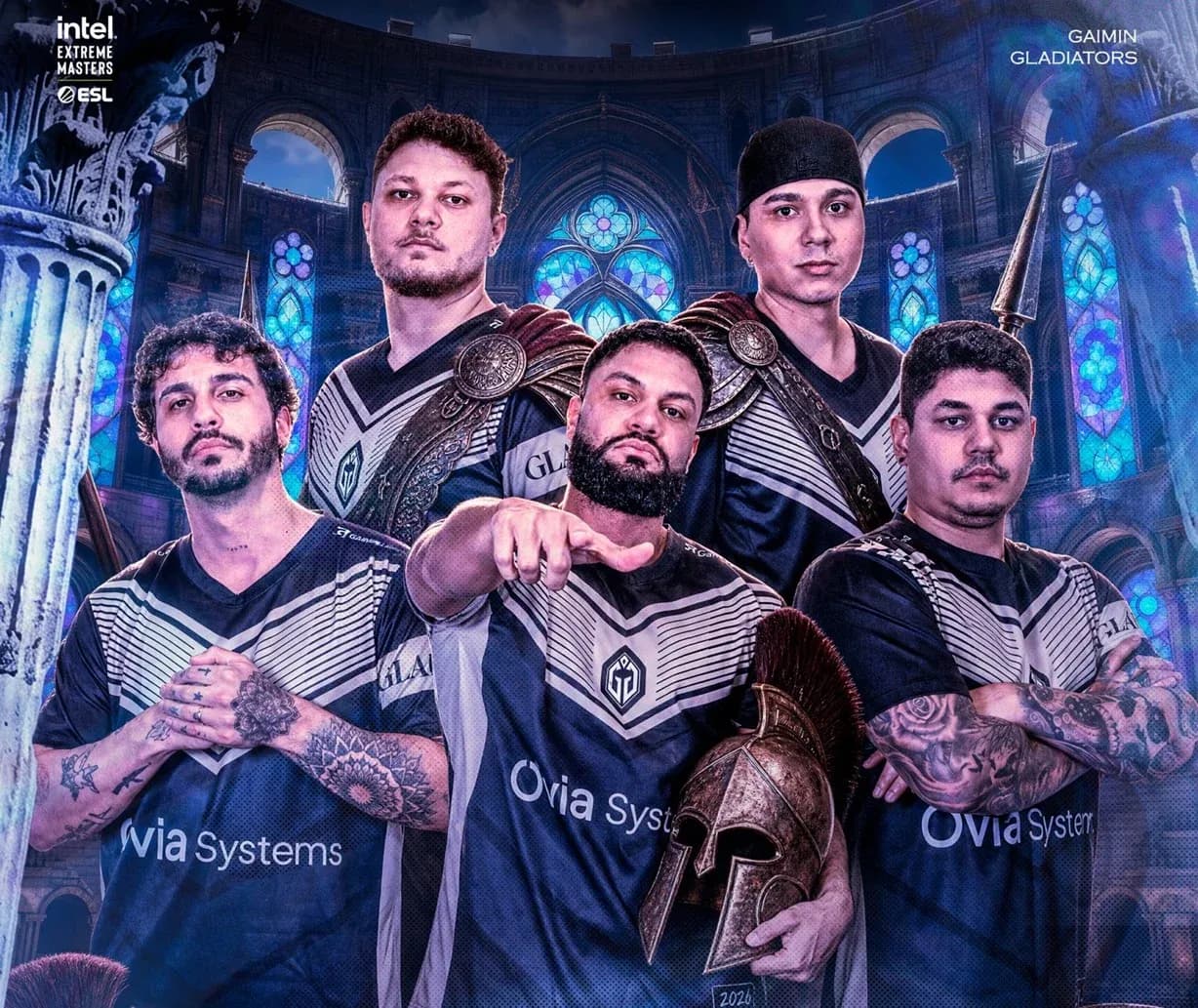
The disbanding of Gaimin Gladiators’ CS2 roster after IEM Cologne 2026 is an early public example. In their statements, the club linked its exit to changes in the Major system and the structure of its revenue. Other sticker‑dependent organizations sit in the same position, exposed to a Major economy that now punishes anything short of deep runs.
What Changed in CS2 Major Stickers and Revenue Share
Capsules Removed and a Token Shop in Place
Past CS:GO and early CS2 Majors used cheap sticker capsules, usually around 0.95 to 0.99 dollars, and Valve sent 50% of that capsule and pass revenue to teams and players. Valve said that in one twelve‑month period, it paid around $70 million from Major items alone, and independent estimates for BLAST Paris 2023 place total sticker payouts above $110 million.
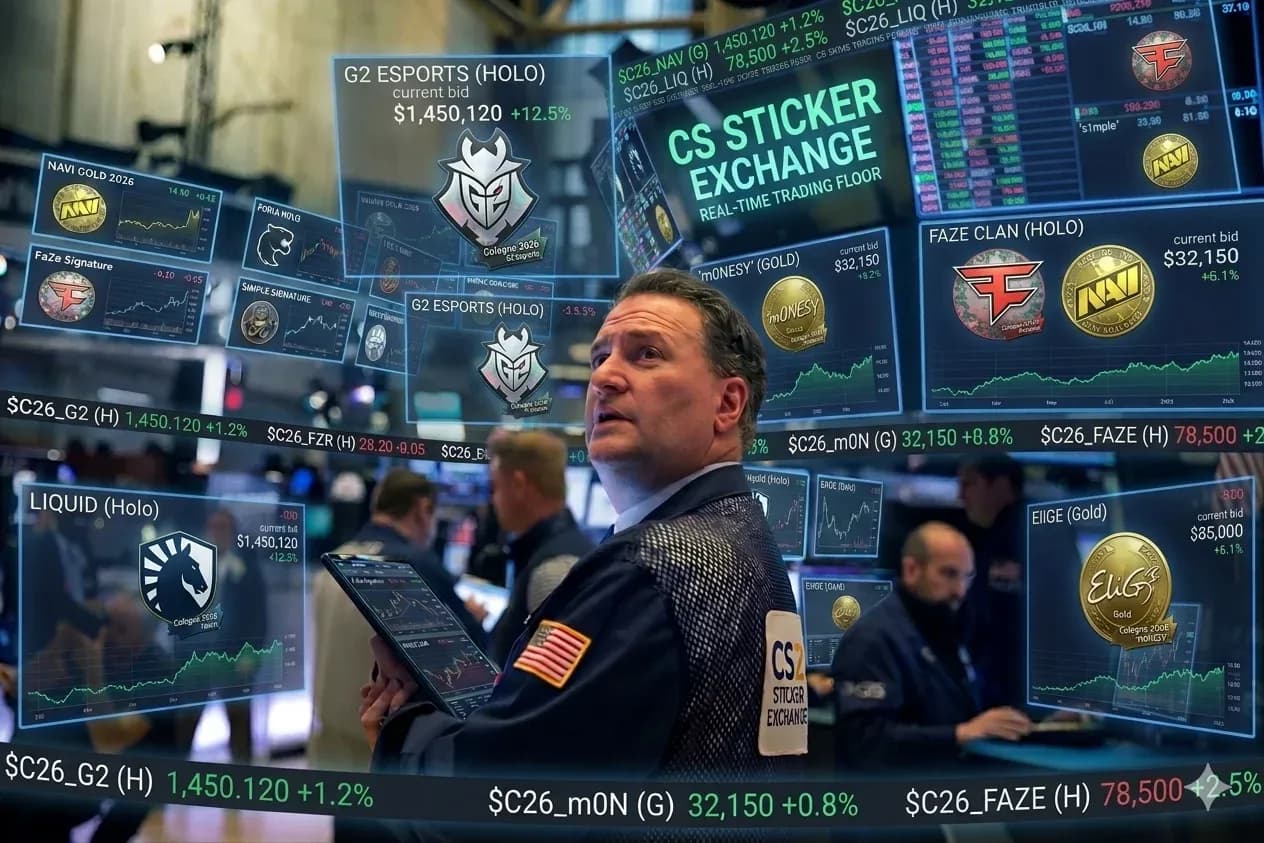
For IEM Cologne 2026, Valve removed capsules and built a Major Shop. Players now buy tokens, where 100 tokens equal 1 dollar, then spend tokens on specific team or player stickers. Prices move based on demand inside Valve’s own store.
By early June, buying one copy of each of the 100 most expensive Cologne stickers cost about 19,447 dollars in tokens, and one gold autograph reached 1,522 dollars. The system is no longer based on cheap impulse capsules, but rather a luxury catalogue aimed at collectors.
A Fixed Pool and a Steep Percentage Table
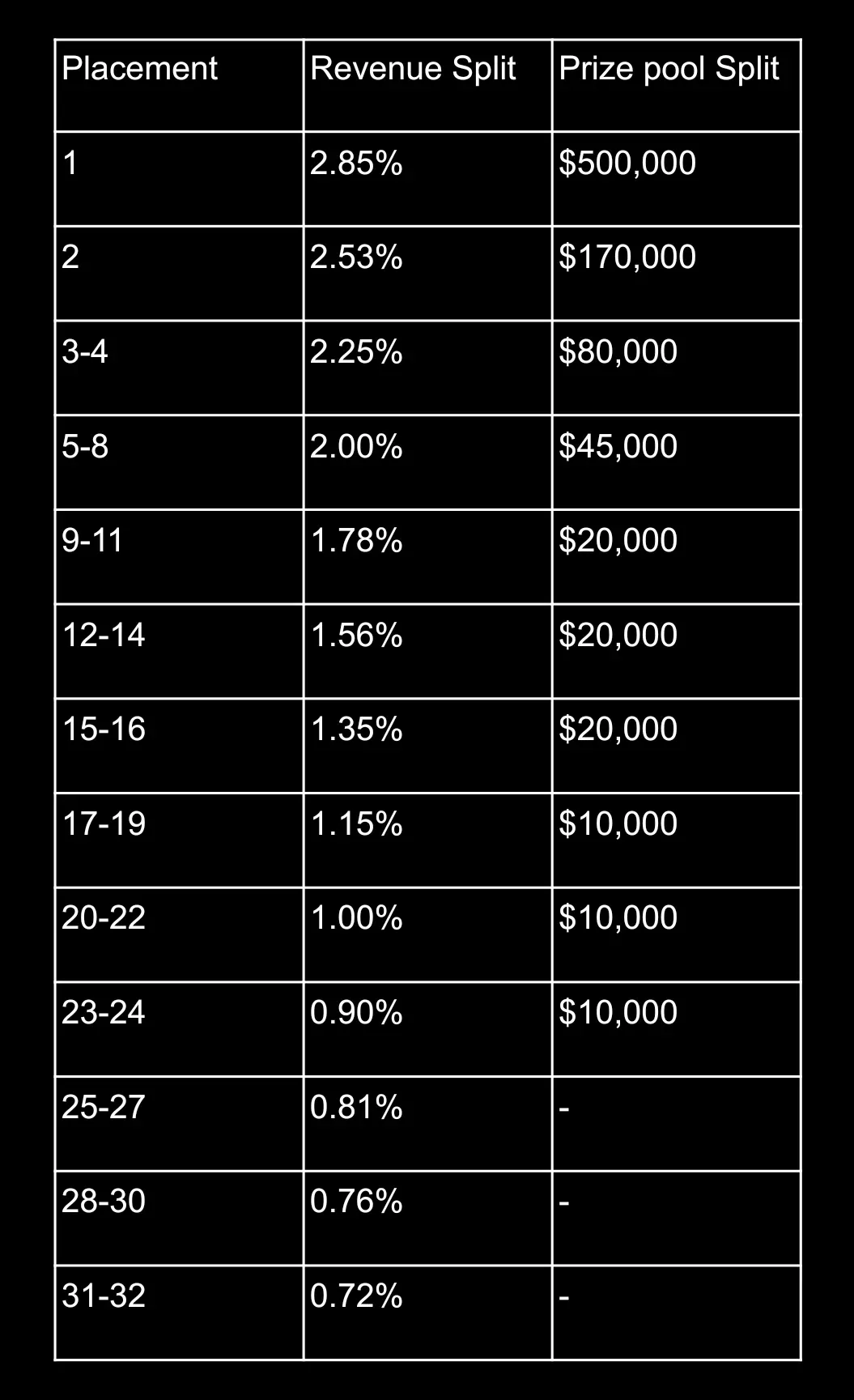
The core revenue pool is still tied to in‑game spending. Half of all Viewer Pass and Major Shop revenue goes into a shared pool for the organizer, teams, and players. The organizer now receives a fixed (and small) 5%. The remaining 45% goes to the 32 participating teams based on Valve Regional Standings before the event and on final placement once the Major ends.
The placement table is sharp:
Valve also set a global team‑player split. For every team share, 50% goes to the organization and 50% goes to the players, divided into five equal parts.
Why Major Qualification Is No Longer a Stable Business Target
Under the capsule model, the main goal for many organizations was to reach a Major. Estimates on recent Majors assumed Valve delivered between $800,000 and $1.5 million to organizations and $200,000 to $500,000 per player, with money spread across champions, contenders, and surprise attendees.
Now the floor is much lower. A team that finishes 31–32 at a CS2 Major receives 0.72% of the pool, compared with 2.85% for the winner. Assuming the community pool reached $40 million, the champion would receive $1.14 million before splits. The last two teams would receive about $288,000 each. After the 50/50 rule, that becomes around $144,000 for the organization and roughly $28,800 per player, before tax or any additional internal agreements.
For clubs that built budgets on the old model, this is a significant downgrade of the baseline value of “just making the Major”. The variance between failure and success inside one event grew, while fixed costs such as salaries, buyouts and support staff remained high.
Winner-Take-More Dynamics in the New CS2 Major Economy
The new system links multiple factors that all reward the same group of already high-performing, more financially stable teams. VRS uses past results to rank teams and set how much pre‑event revenue they receive from the pool while the Major is live. Those rankings favour clubs that already reach playoffs regularly.
Once the tournament starts, those stronger teams are more likely to reach playoffs again and occupy the brackets with 2.85%, 2.53% or 2.25% shares instead of 0.90% or 0.72%. They also tend to have larger fanbases, which drive more token purchases. Expensive stickers that sell in high volume inflate the total pool that flows back along the same percentage ladder.
This is not a theoretical pattern. It reflects how sticker income already worked at past events. At Paris 2023, analysis put sticker money at 10 to 25 times the prize winnings for top squads, while every qualified team received something. The difference now is that Valve removed the cheap capsule entry point and tied revenue percentages to both rankings and results, so the gap between the top four and the rest is structurally larger.
How This Is Already Pushing Organizations Away
Gaimin Gladiators as a First Clear Signal
Gaimin Gladiators’ decision to release its CS2 roster after IEM Cologne 2026 is one of the first clear public examples of how this pressure plays out. Esports earnings data shows that CS2 has never been Gaimin Gladiators’ main source of prize money. The organization has earned more than $8.5 million across titles, with less than $200,000 listed under Counter-Strike.
That gap makes the importance of sticker revenue even clearer. If prize pools contribute little and the new Major model cuts the bottom share of the pool, CS2 becomes a department where the risk outweighs the expected cash return unless the team performs far above average.
Sticker-Dependent Clubs Are Exposed
Gaimin Gladiators is unlikely to be the last case. Smaller organizations and regional brands often lack large sponsor portfolios. For those clubs, sticker sales at one or two Majors each year filled the gap between salary obligations and modest local partnerships.
When that funding shrinks or becomes more volatile, management has to decide whether to hold an expensive global roster in CS2 or redirect funds to titles with more predictable revenue schemes.
There are already precedents. At the end of 2025, AMKAL Esports withdrew from CS2, and the market reacted with a short‑term spike in AMKAL stickers as traders bet on their scarcity. This type of exit removes teams from future revenue pools entirely. If more mid‑tier organizations come to the same conclusion as Gaimin Gladiators, the field of stable CS2 orgs will become narrower.
Tournament Organizers Also on the Loss Side of the Change
Tournament organizers already face tight margins in CS2. Reports on event economics describe how large arena events rely heavily on sponsors and ticket sales, while production, staff, venue rent, and logistics consume most of the budget. Majors added prestige and some extra digital income, but they were not guaranteed profit machines.
Valve now pays each Major organizer a flat 5% of the community revenue pool. If a Major generates $40 million in pass and shop sales, that share equals $2 million. For a tier‑one organizer, that sum helps, but it does not remove the risk of hosting an arena event that can cost many millions to stage.
At the same time, companies like ESL invest in long‑term circuits such as the ESL Pro Tour, which use revenue sharing across multiple tournaments and aim to pay 11.45 million to teams over a longer window. Those circuits sit outside the Valve Major system. If Major rights do not move the needle enough on the balance sheet, it becomes rational for organizers to keep them as a side project rather than the centre of their CS2 calendar.
Long-Term Consequences for the Counter-Strike Scene
The new CS2 Major revenue share model pushes money toward a limited group of teams and reduces the share that once supported the mid‑tier. Strong VRS scores, deep runs at Majors and large fanbases now work together to secure the highest share of each pool. That pattern makes it hard for new organizations to step in and stay long enough to build fanbases of their own.
Sticker‑funded academy projects and regional rosters are especially exposed. Aurora’s leadership, for example, described how Major sticker income could cover a yearly budget for some Counter-Strike line‑ups. If early Major exits no longer provide that kind of buffer, those projects are an easy cut when budgets tighten. Talent pipelines then shrink, which harms the competitive level over time.
Regional balance also suffers. Regions with fewer events and weaker seeding paths already struggle to place teams into playoffs. Under a placement‑based revenue ladder, those regions will keep drawing small shares of each pool. Over several cycles, that means less money flowing back into local clubs, which deepens the gap between the core CS2 hubs and the rest of the world.
CS2 Major Revenue Share Is Already Pushing Orgs Out
The updated CS2 Major revenue share model brought a big impact to the ecosystem. It removes cheap capsules, raises sticker prices, fixes the organizer’s cut at 5% and ties team income to a steep placement ladder and to VRS. That structure moves money toward a small group of constant contenders and away from the mid‑tier teams that once used sticker cheques as a financial anchor.
Gaimin Gladiators’ CS2 exit, along with earlier withdrawals from organizations such as AMKAL, shows that this pressure is already translating into roster cuts and departures. The more a club depended on previous sticker funding, the stronger the push to leave becomes. Unless Valve adjusts how CS2 Major stickers and revenue share work, Counter-Strike will keep losing organizations that cannot afford to gamble on a shrinking share of a concentrated pool.
Stay tuned to Strafe Esports for more Counter-Strike news and information. Don't forget to follow us on Social Media for real-time updates of your favorite game.
Featured image credit: Valve
Read more:
Cache Is Back, Overpass Is Out for CS2 Premier Season 5
VALORANT Patch 13.00 Full Breakdown: Sentinel Buffs, New Map Summit, Retake Mode & More
T1 Worlds 2025 Skins Revealed: Splash Art, Release Date, Price, and More