
 en
en
Brazil's Felca Law Blocks Kids from Multiple Games: What Gamers Need to Know

Felca Law is the popular name for Brazil’s 2025 “ECA Digital”, a statute that starts to apply in full on 17 March 2026 and targets how children and teenagers use online services, including games and esports platforms. It bans paid loot boxes in games that reach minors, forces strong age checks and parental controls, and gives regulators power to fine or even suspend non‑compliant services.
From Viral Video to Statute
Felipe Bressanim Pereira, “Felca”, is a Brazilian YouTuber who started with gaming content and later moved into comedy and reactions. In 2025 he posted a video about the “adultisation” of minors online, pointing to sexualised content with children and teenagers, and accusing specific creators of exploitation.
The video passed tens of millions of views and drew the attention of prosecutors and politicians in Brasilia, who were already under pressure over online abuse and grooming cases. Congress advanced a bill branded as a “Digital ECA”, approved it in 2025, and public debate tied the package to Felca’s name.
What the Law Changes for Video Games
The Felca Law bans self‑declared age checks for restricted content and demands verifiable methods, such as CPF checks, document scans or biometric age estimation, for services with 16+ or 18+ content. Children under 16 must use accounts linked to a parent or guardian, who can approve or block access, set spending caps, and limit play time.
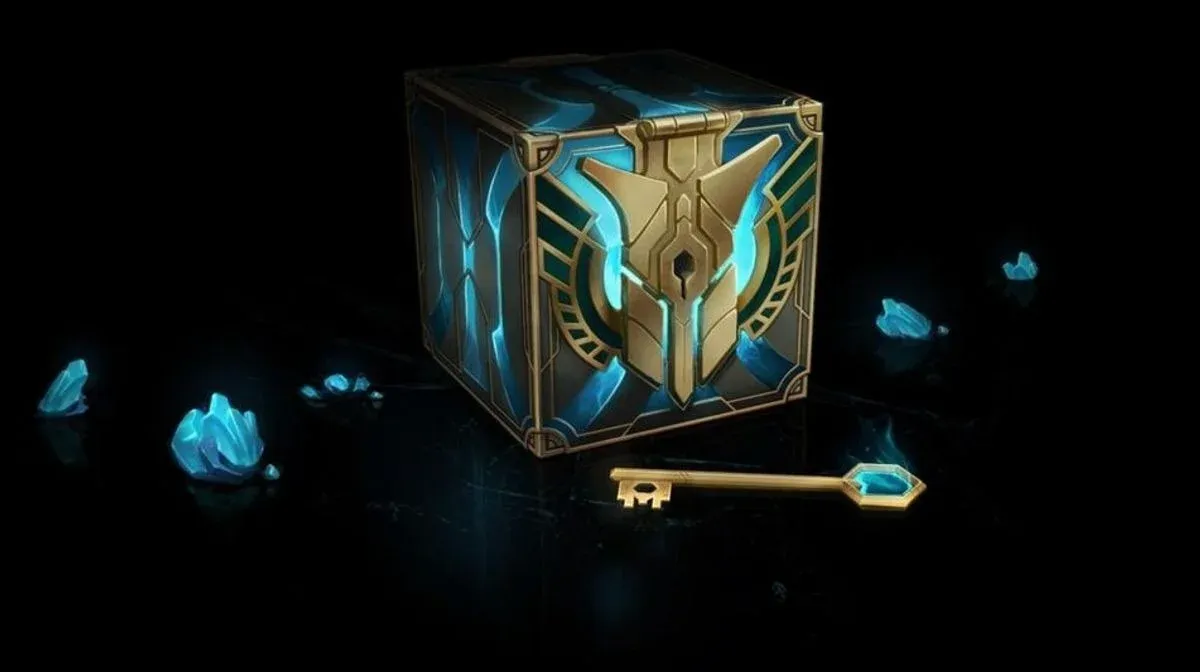
For games, the key article bans paid loot boxes in titles aimed at minors or that minors are likely to play, based on age rating and real audience. A game that keeps paid randomised rewards and reaches children risks high fines and, in extreme cases, suspension in Brazil.
The statute also targets in‑game chat. Online titles must have clear rules against harassment and abuse of minors and must run technical safeguards for text, voice, and video interactions.
How Publishers Are Reacting
Riot Games is the only major publisher to shed a light on the matter, announcing that League of Legends, Teamfight Tactics, Wild Rift, 2XKO and Legends of Runeterra will move to 18+ in the country while the company reworks monetisation and safety systems. Accounts marked as underage will lose access to those titles on Brazilian servers.
Riot says it expects to bring age ratings back down after structural changes, which pushes this transition into at least 2027. VALORANT is a partial exception, since teens between 12 and 17 may keep playing if a parent or guardian connects their own account and approves usage.
Garena has been testing native age checks and parental tools in Free Fire updates since late 2025, including forced links between teen accounts and adults, spending limits on diamonds and tighter rules for voice chat. Roblox has already limited chat for younger Brazilian users.
Valve has not released any direct statements about changes related to Brazil's Felca Law (ECA Digital) for its games like Counter-Strike 2, Dota 2 or Team Fortress 2. YouTube videos and Instagram posts speculate that the loot box ban could hit CS2 cases and skin trading, but Valve stays silent on the topic.
PUBG Corp (now Krafton) and Epic Games (Fortnite) have also made no public comments on Felca Law compliance in Brazil.
Huge Impact for Underage Players and Esports
Kids and teenagers will see any game that moves to 18+ in Brazil reject accounts flagged as underage. That hits ranked ladders in LoL, TFT and similar titles, which function as the main training ground for future professional players.
Even where exceptions exist, play depends on parental approval and on guardians willing to send personal data through verification flows. Tournament organisers now have to check whether a minor has a legal path to run the game client in the first place.
Young streamers who broadcast 18+ games also run into friction, because the same law that locks access to certain titles also tightens rules for platforms that monetise content with minors.
Other countries are also progressing on the matter
Belgium declared loot boxes that use real money to be gambling in 2018 and said publishers must remove them or face fines of up to 800,000 euros and prison terms, doubled when minors are involved. Later studies found that around 82% of top‑grossing iPhone games in Belgium still used randomised monetisation, many rated 12+.
The Netherlands tried to classify FIFA loot packs as illegal gambling but, in 2022, the Dutch Council of State ruled that FIFA’s loot boxes did not fit that category when certain conditions were met. The United Kingdom’s Online Safety Act 2023 forces platforms to use age verification or age estimation to stop children accessing harmful content.
China, South Korea, and Taiwan require companies to publish odds for items in randomised monetisation and, in Taiwan, to label those products clearly as chance‑based.
Could Felca‑Style Rules Spread to Other Parts of the World?
Felca Law is the first statute that combines a clear ban on paid loot boxes for minors with broad age‑verification and parental‑control duties that directly touch global esports titles in a country with more than 200 million people. Other regions are already debating similar topics, from loot box bans in parts of Europe to strong age gates in the UK.
Legislatures keep treating paid random rewards near minors as a gambling or consumer‑protection issue, which drives bans or heavy constraints on loot boxes that reach children. Regulators ask for hard proof of age instead of self‑declaration. Platforms face growing pressure to give parents more direct tools to see and control what their children do in games and social apps.
For underage gaming and esports, the likely future is one with fewer paid random mechanics, more explicit ratings for online features and a stronger need for parental consent any time a teenager wants to enter the same digital spaces as adults
Stay tuned to Strafe Esports for more news and information. Don't forget to follow us on Social Media for real-time updates of your favorite game.
Feature image credit: Riot, Valve, Rare and Blizzard,
edited by Strafe Esports
Read also:
Crisis at paiN Gaming: CEO Resigns as the TitaN Scandal Takes a Darker Turn
Quartero's Curios: New Season, New Hero Sets
Two Giants, Same Story: MOUZ and Team Spirit Keep Falling When It Matters Most