
 en
Worlds 2026: Most Picked Champions and Meta Takeaways

15 Nov, 2026, 14:39
|Last updated: 15 Nov, 2026, 14:39
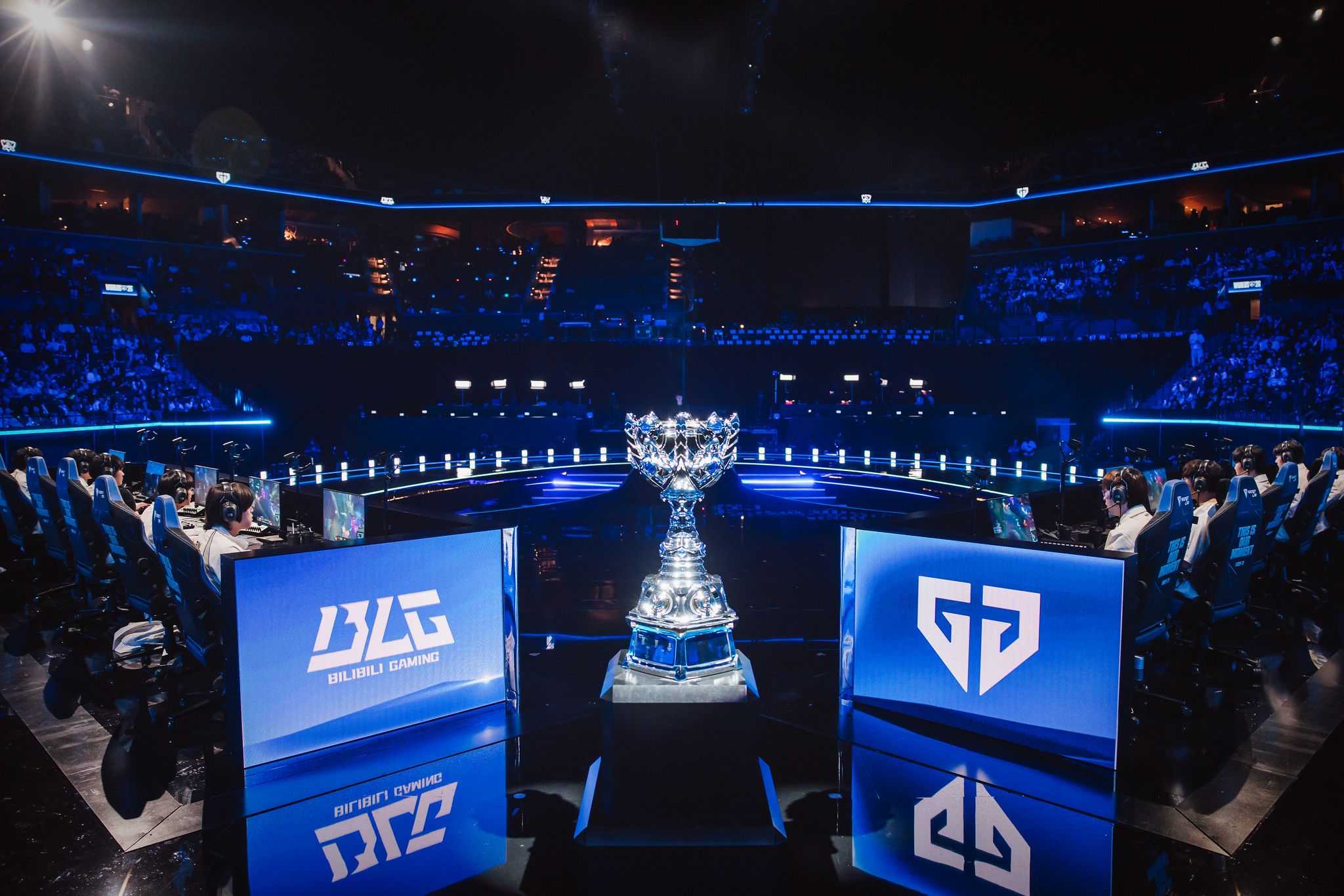
With Bilibili Gaming (BLG) crowned the new World champions, Worlds 2026 has officially come to an end. Now that the biggest event in the League of Legends competitive calendar is over, it's time to look back at the tournament's most popular champions and analyze how the meta evolved throughout Worlds 2026.
Worlds 2026 Main Event Champion Pick Stats
Most Picked Champions
The Worlds 2026 meta leaned towards aggressive junglers and engage supports, while maintaining a diverse champion pool in the mid lane.
At Worlds 2026 (Main Event), Lee Sin and Ezreal topped the pick charts, emerging as the tournament's most popular champions.
| Most Picked Champions at Worlds 2026 | |||||
| Lee Sin | Ezreal | Alistar | Nautilus | Orianna | |
| Games Played | 25 | 24 | 22 | 22 | 22 |
| Win Rate | 52% | 38% | 32% | 73% | 68% |
Most Banned Champions
Jungle ban rates were relatively spread out, with several champions attracting significant attention from teams throughout the tournament.
Nocturne, Qiyana, Vi, and Jayce were among the most frequently banned champions, showing that teams had plenty of jungle threats to account for during draft.
| Most Banned Champions at Worlds 2026 | |||||
| Vi | Nocturne | Renata Glasc | Cassiopeia | Qiyana | |
| Games Played | 12 | 17 | 15 | 13 | 18 |
| Ban Rate | 65.8% | 63.2% |
61.8%
| 51.3% | 43.4% |
The Rise of Aggressive Junglers
The jungle stats point towards a meta built around aggressive champions who can make plays early and help their teams take control of the map.
Lee Sin, Jarvan IV, and Qiyana all bring strong skirmishing potential, making them effective at contesting river fights, pressuring lanes, and creating opportunities for their teammates.
Lee Sin was the most picked champion, appearing in 25 games and recording an overall presence of 53.9%. Despite being the most popular jungle pick, he finished with a 52% win rate, suggesting that he was a reliable choice rather than an overwhelmingly dominant force.
Nocturne Spreads Fear
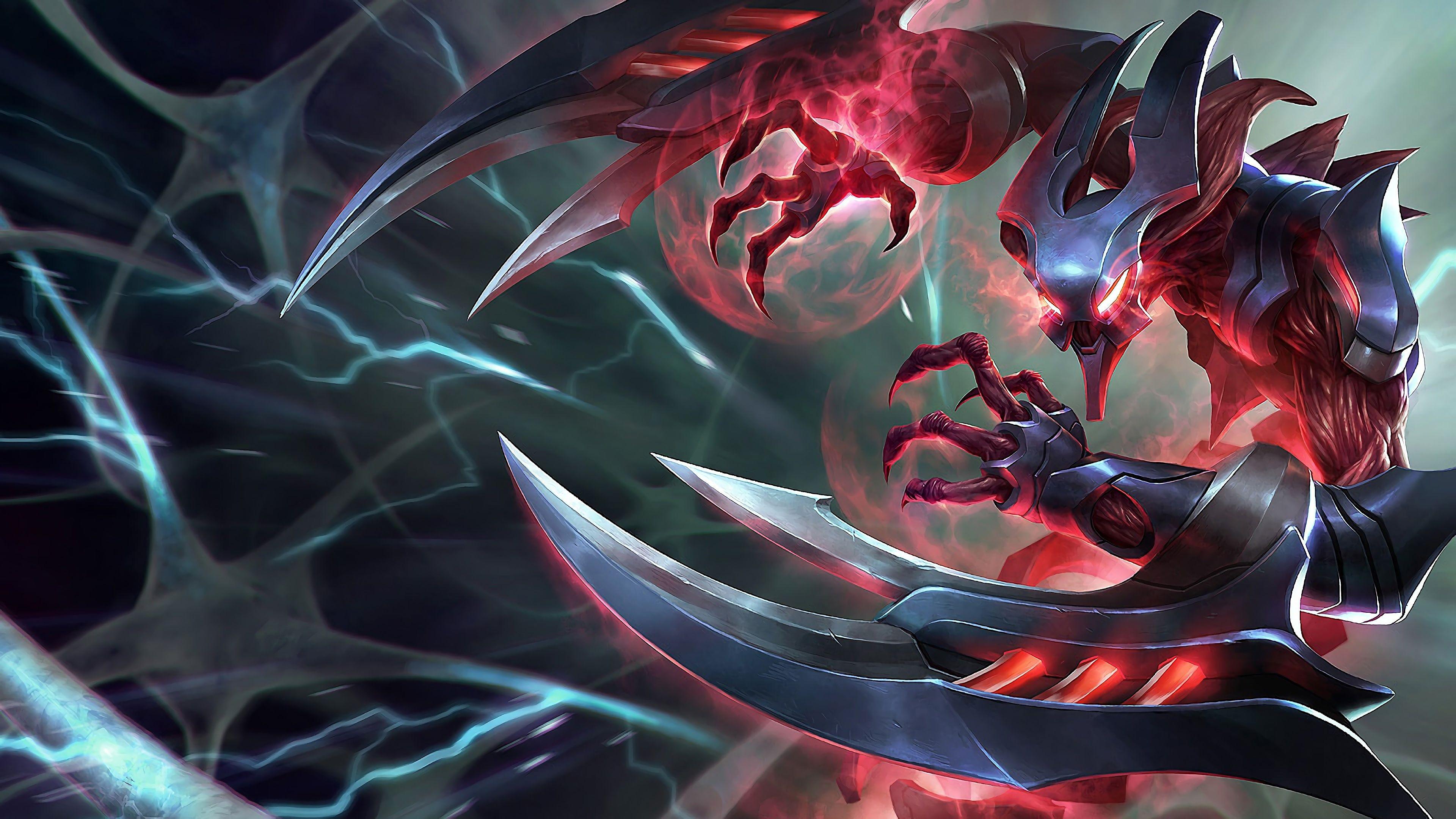
Nocturne stood out as one of the most contested junglers. He was the second most banned champion at Worlds 2026, with a 63.2% ban rate, trailing only Vi.
Unlike Lee Sin, Nocturne doesn't rely on early ganks to make an impact. Instead, his ultimate, Paranoia, allows him to threaten opponents across the map by cutting off their vision and creating opportunities for coordinated dives.
His 59% win rate further reinforces his impact, showing that teams not only had good results when picking him but were also reluctant to let their opponents get their hands on him.
Jarvan's Consistency and Versatility Shine
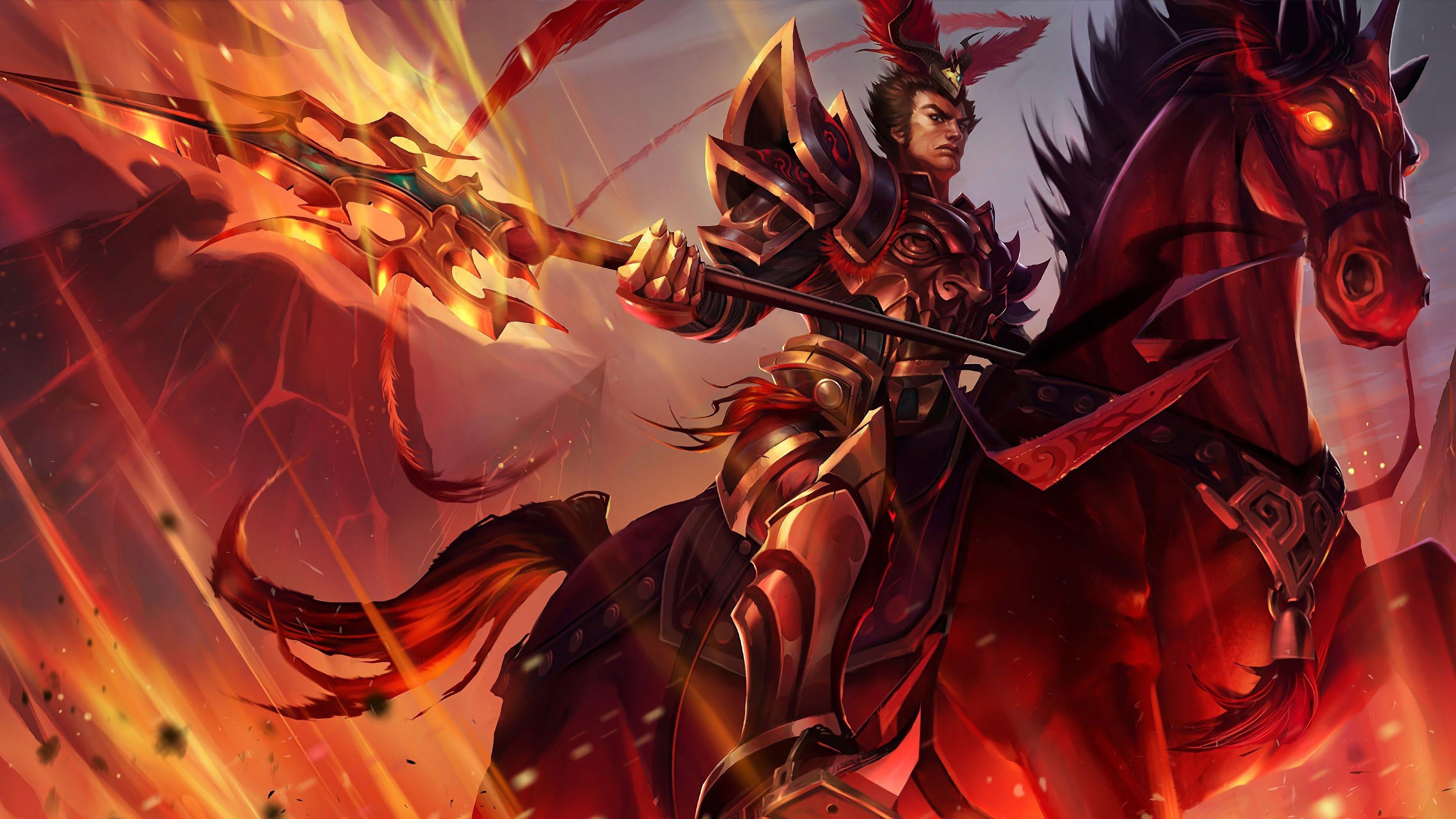
Jarvan IV remains a consistent pick at Worlds because of his versatility and ability to fit into different team compositions.
His strong early-game ganking potential, reliable crowd control, and ability to initiate teamfights make him a valuable option for teams looking to create opportunities for their carries.
His ultimate can trap multiple opponents, setting up powerful combinations with champions such as Orianna and Miss Fortune.
Jarvan IV isn't necessarily picked because he is overpowered. He is picked because he provides several essential tools in one champion, allowing teams to build reliable compositions without sacrificing too much flexibility in the draft.
Engage Supports Dominated the Champion Selection
The support statistics are particularly interesting, as they reflect the preference for proactive junglers seen throughout Worlds 2026.
Picks like Nautilus and Alistar offer plenty of engage and crowd control, making it easier for teams to follow up on jungle plays and turn early skirmishes into favourable fights.
Despite having the same number of appearances (22 games), Nautilus delivered much better results than Alistar.
Their contrasting win rates suggest that, while both champions offered similar opportunities in draft, Nautilus proved to be a much more effective choice throughout the tournament.
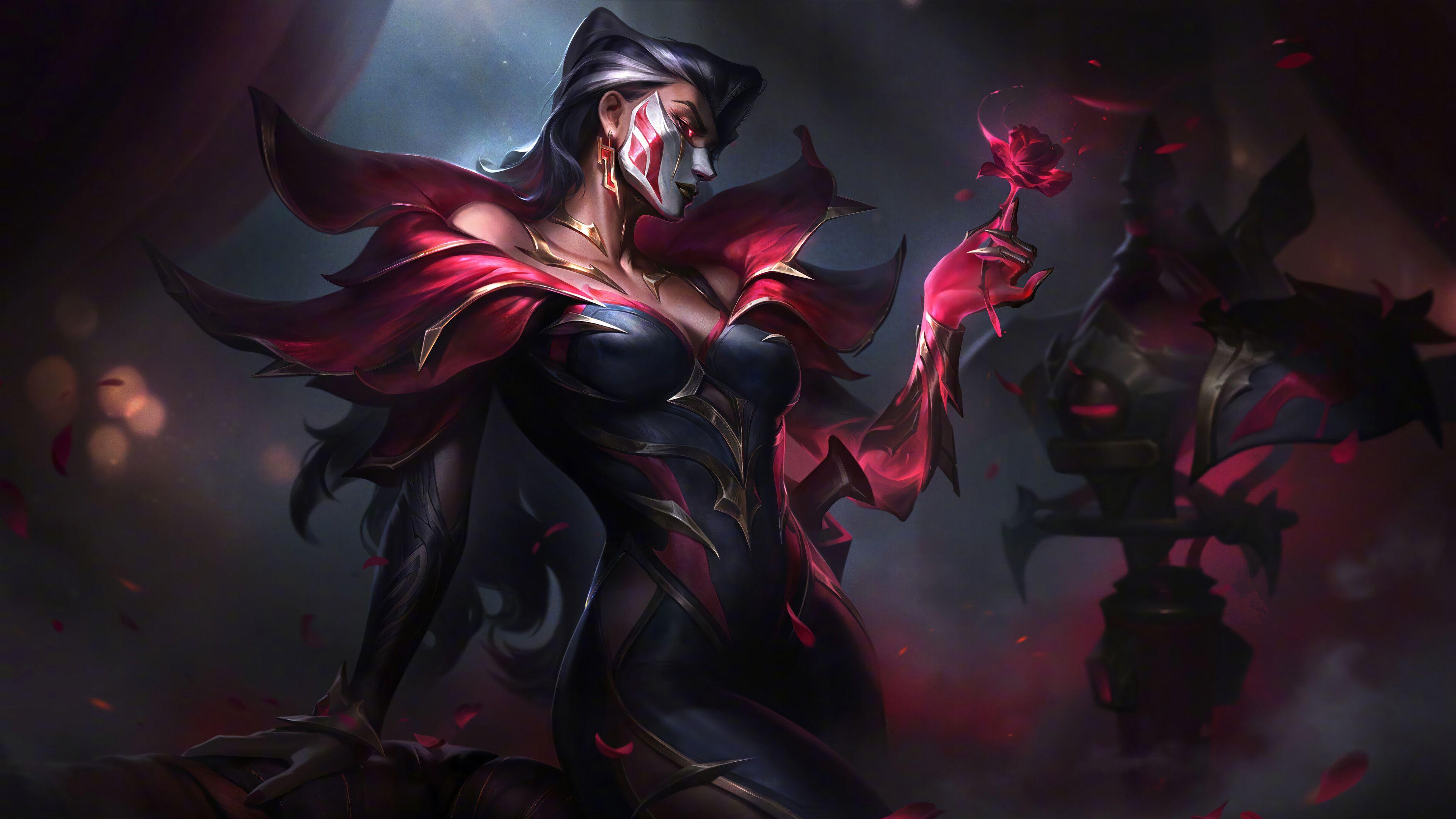
Renata Glasc offered a different approach to the support role. Rather than relying on traditional engage, her ultimate can turn entire teamfights around, particularly when opponents group around objectives.
Her 61.8% ban rate shows just how reluctant teams were to let her through the draft, especially because of her synergy with Kalista in the bot lane.
Still, the support meta wasn't limited to engage champions, with picks like Lulu offering a more defensive approach focused on protecting carries and keeping them alive in teamfights.
Why Was Ezreal So Popular Despite His Low Win Rate?
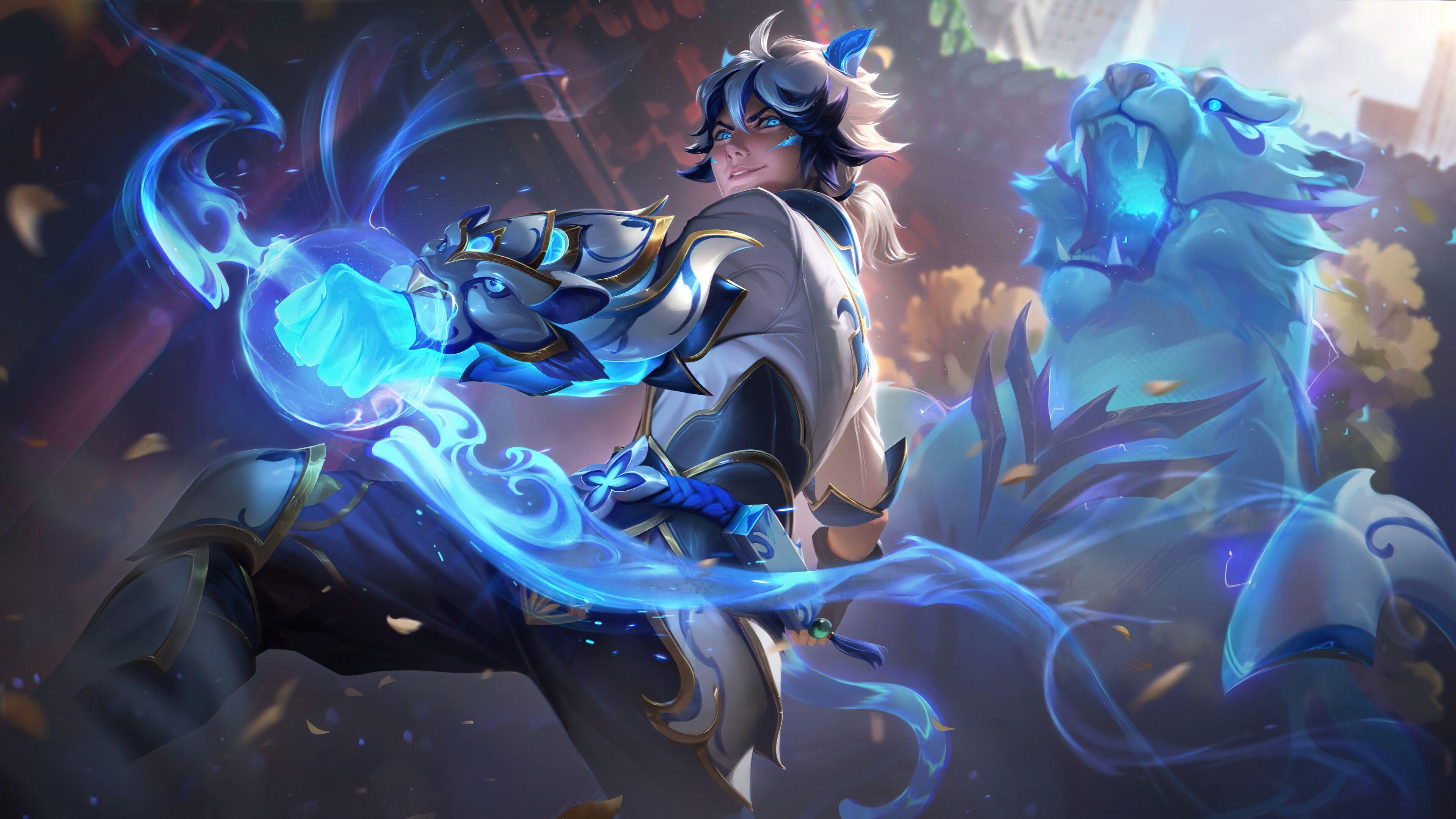
Ezreal's 38% win rate is one of the more surprising statistics of Worlds 2026, especially considering that he was the second most picked champion, with 24 appearances.
Unlike traditional ADCs, who often rely on their teammates to create space and protect them, Ezreal has several tools that allow him to play more independently.
However, his low win rate suggests that this flexibility didn't always translate into successful games. His safety and versatility may have made him an attractive option during the draft, even when his results on the Rift were less convincing.
This raises a bigger question about the ADC meta at Worlds 2026. Why were bot lane carries struggling to make an impact?
Ezreal's numbers could point towards a wider issue with the role, as even one of the most popular picks struggled to turn his appearances into wins. Was the ADC role lacking impact, or were teams finding it increasingly difficult to play around their bot lane carries?
Ezreal's results highlight the gap between draft priority and actual performance, showing that being one of the most popular ADC picks didn't necessarily mean being one of the most successful.
Why Control Mages Remained Important in Mid Lane
The mid-lane stats suggest that control mages were particularly valuable at Worlds 2026. Orianna and Syndra stood out with both high pick rates and impressive win rates, while Viktor also finished the tournament with a positive record.
This could be partly explained by how well these champions fit into the wider meta. Their ability to control space and provide follow-up damage makes them a natural fit alongside aggressive junglers and engage supports.
Orianna is particularly interesting because her ultimate can turn an engage into a devastating teamfight.
When paired with champions like Jarvan IV, whose ultimate can trap multiple opponents in a small area, she can set up huge combos and deal massive area-of-effect damage.
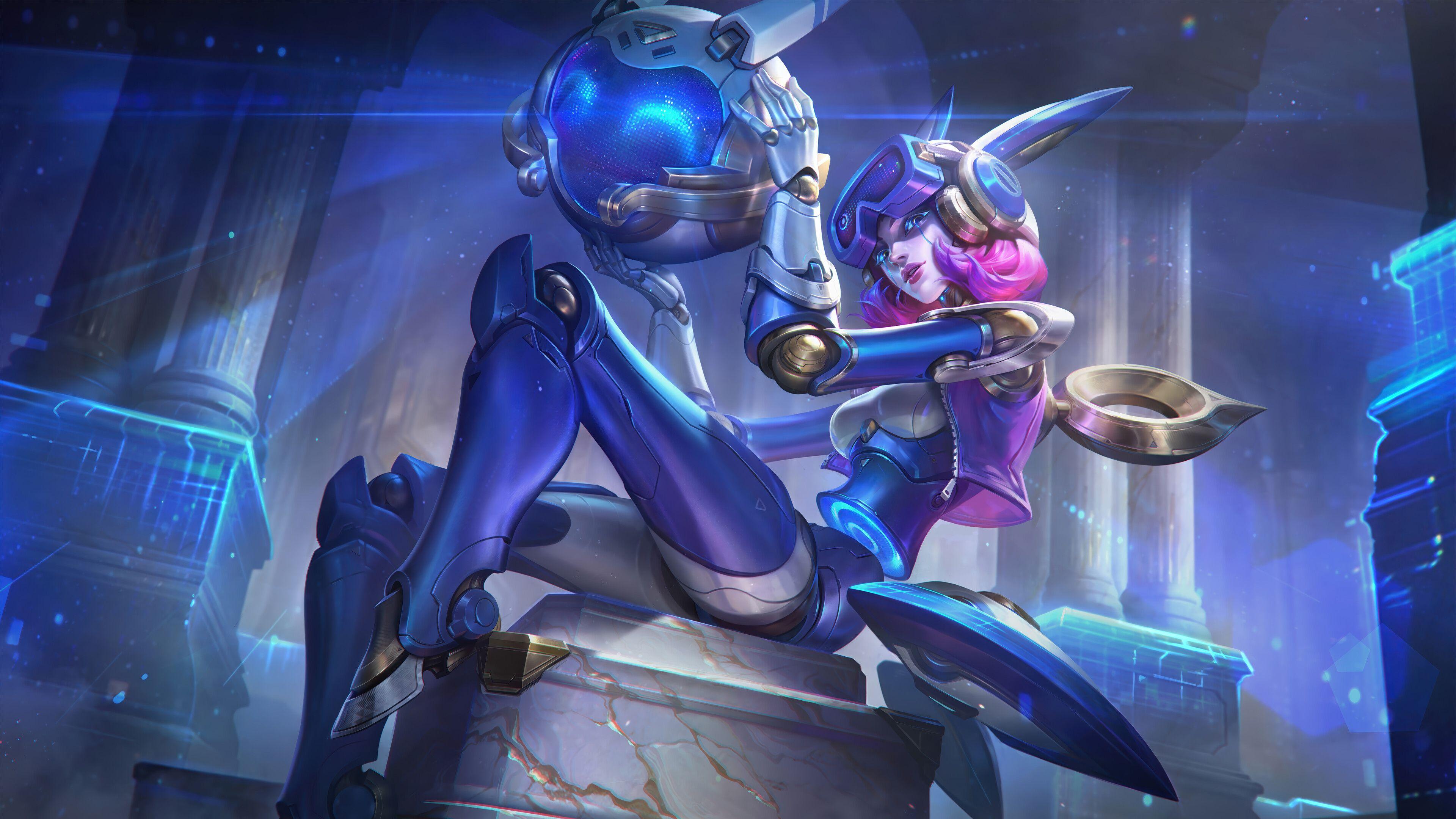
Syndra offers a different approach, focusing more on burst damage and punishing isolated targets. Her ability to quickly eliminate priority opponents makes her a strong option when teams want to pick off key members of the enemy lineup.
With win rates of 68% and 63%, respectively, Orianna and Syndra proved to be more than just popular picks, showing that control mages could also deliver some of the best results in the mid lane.
The Top Lane Remains an Island
The top lane meta at Worlds 2026 offered a mix of every type of champion. While some picks were focused on absorbing pressure and providing a solid frontline, others gave teams more ways to dive into the enemy backline and disrupt teamfights.
Rumble and Ambessa were among the most picked top laners, both appearing in 20 games. Rumble, in particular, struggled throughout the tournament, finishing with a surprisingly low 15% win rate.
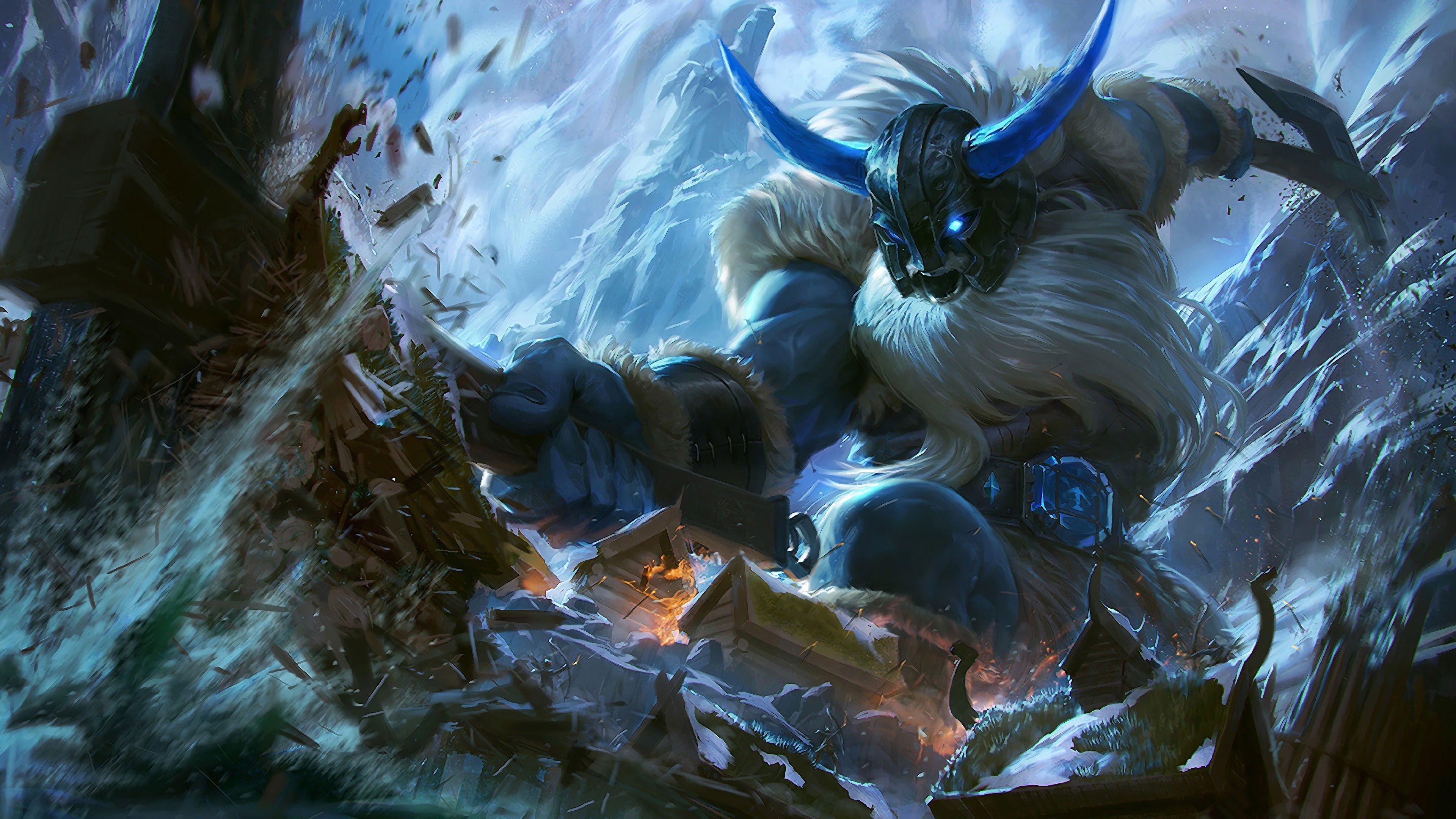
On the other hand, Olaf stood out with a 60% win rate across 15 games. His ability to dive into the enemy backline and ignore crowd control with his ultimate made him a valuable option against compositions that rely heavily on controlling teamfights.
This is partly because top lane isn't tied to one specific role within a team composition. Top laners can take on several different responsibilities, from providing a solid frontline to dealing damage or applying pressure across the map.
This flexibility also makes top lane particularly valuable during drafts. Teams can adapt their picks to counter specific opponents, complement their jungler or compensate for weaknesses elsewhere in the composition.
As a result, champions with very different playstyles can all find a place in the competitive meta, explaining why the role tends to have a wider variety of viable picks than other positions.
A Meta Built Around Teamfights and Objective Control
Overall, the Worlds 2026 meta favoured teams that could combine early aggression with strong teamfight potential.
Junglers and engage supports played a key role in setting the pace, while control mages provided the damage and crowd control needed to follow up on their plays.
That doesn't mean every game revolved around early aggression. Instead, the champion selections suggest that teams valued having the tools to control the pace of the game and decide when to take fights.
The statistics also revealed an interesting gap between draft priority and actual performance.
Champions like Ezreal and Rumble received plenty of attention but struggled to convert their popularity into wins. Meanwhile, Orianna, Nautilus, and Olaf showed just how effective certain picks could be throughout the tournament.
Ultimately, Worlds 2026 demonstrated that being a priority pick doesn't always mean being a winning one.
Follow Strafe Esports for the latest League of Legends news. Follow us on X, Instagram, and Facebook for real-time coverage. Check out Strafe's YouTube channel for exclusive interviews, press conferences, and more. Download our app on the App Store or Google Play.
Featured image credit: Colin Young-Wolff/Riot Games
Read More:
Knight Joins Faker and Zeus in Exclusive Club After Worlds 2026
BLG Beat Every LCK Team on Their Way to Winning Worlds 2026
Knight Named Worlds 2026 Finals MVP as BLG Claim First Title
