
 en
en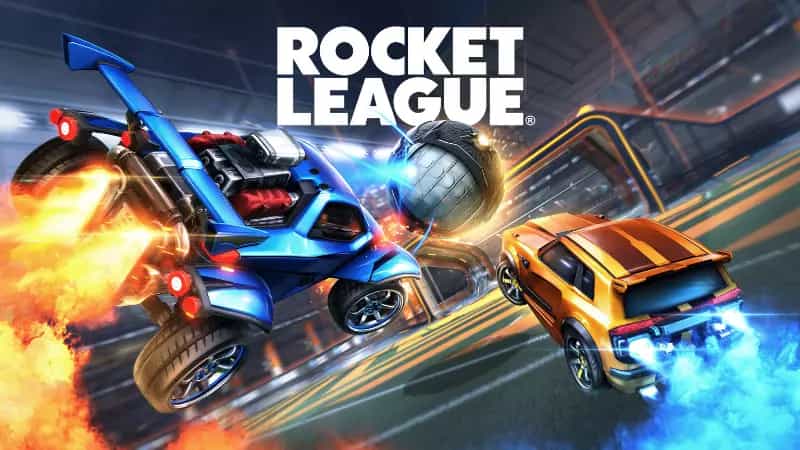
Where Rocket League Was Made: Exploring the Birthplace
Rocket League, the high-octane blend of arcade-style soccer and vehicular mayhem, has captivated players and esports enthusiasts worldwide. But where was Rocket League made, and how did it evolve into the esports juggernaut we know today? This article delves into the origins, development, and rise of Rocket League in the competitive gaming scene. The game's unique premise and engaging mechanics have not only earned it a place in the hearts of casual gamers but also secured its status as a staple in competitive gaming tournaments.
The Birthplace of Rocket League
Psyonix: The Studio Behind the Game
Rocket League was developed by Psyonix, an American video game developer based in San Diego, California. Founded in 2000 by Dave Hagewood, Psyonix initially focused on contract work for major studios before transitioning to develop its own titles. The studio's most successful project, Rocket League, was a sequel to their 2008 game, Supersonic Acrobatic Rocket-Powered Battle-Cars. The transition from contract work to focusing on Rocket League was a pivotal moment for Psyonix, showcasing their ability to create a game that resonated with a wide audience. Their dedication to refining the gameplay and mechanics of their earlier title paid off, leading to Rocket League's widespread acclaim. This focus on innovation and player experience has been a hallmark of Psyonix's approach to game development.
From Concept to Launch
The development of Rocket League began around 2013. The team was focused on refining and expanding upon the ideas introduced in their previous title. Psyonix aimed to create a game that was accessible to a broad audience while offering depth and complexity for competitive play. After two years of development, Rocket League was launched in July 2015. This included PlayStation 4 and Windows, with subsequent releases on other platforms. The development process involved extensive testing and feedback loops with the gaming community. This ensured the final product was visually appealing and technically robust. The choice of platforms was strategic, aiming to maximize the game's reach and ensure a seamless multiplayer experience. The launch was accompanied by a marketing campaign that highlighted the game's unique blend of sports and vehicular action.
Rocket League's Esports Ascent
The Competitive Scene Takes Off
Rocket League quickly gained popularity for its engaging gameplay and was embraced by the esports community. Psyonix supported this by organizing the Rocket League Championship Series (RLCS), which became a pivotal event in the esports calendar. The game's success in the competitive scene is attributed to its easy-to-understand yet hard-to-master mechanics. This made it appealing to both players and spectators. The RLCS not only showcased the game's potential as a competitive sport but also provided a platform for players to demonstrate their skills on a global stage. The series attracted sponsors and partners from within and outside the gaming industry. This legitimized Rocket League as a professional esport. Community engagement through online tournaments and social media played a significant role in the game's esports growth. This lead to a vibrant and supportive ecosystem. The inclusion of Rocket League in collegiate and amateur leagues has further expanded its reach.
Global Recognition and Expansion
The game's esports ecosystem has grown to include numerous tournaments and championships worldwide, from regional competitions to global events. Rocket League's inclusion in international esports events, alongside titles like League of Legends and Counter-Strike, underscores its significance in the competitive gaming landscape. This global recognition has led to an increase in the game's player base and fan following, with Rocket League becoming a must-watch event at esports tournaments. The game's appeal lies in its universal accessibility, allowing players of all skill levels to participate and enjoy the thrill of competition. The international tournaments have fostered a sense of community among players and fans, transcending geographical and cultural barriers. Psyonix's commitment to supporting the esports scene through prize pools, event sponsorships, and community engagement initiatives has been instrumental in Rocket League's global expansion.
The Evolution of Rocket League
Updates and Innovations
Since its release, Rocket League has received continuous updates and expansions, introducing new vehicles, arenas, and game modes. These updates have kept the community engaged and have played a crucial role in the game's longevity and relevance in esports. The introduction of new content has been carefully balanced to ensure the game remains accessible to newcomers while offering depth and variety for veteran players. Seasonal events and themed updates have become a staple of the Rocket League experience, providing fresh challenges and rewards. The development team's responsiveness to community feedback has fostered a positive relationship between Psyonix and the game's player base. This collaborative approach to game development has allowed Rocket League to evolve in line with player expectations and emerging trends in the gaming industry. The introduction of cross-platform play was a significant milestone, breaking down barriers between gamers and uniting the community across different systems.
Transition to Free-to-Play
In September 2020, Rocket League transitioned to a free-to-play model, a move that significantly expanded its player base. This shift also coincided with the game's acquisition by Epic Games, which has further supported its growth and integration into the broader esports ecosystem. The decision to go free-to-play was strategic was aimed at attracting a new wave of players to the game. This transition was accompanied by a major update that refined many aspects of the game. Both new and existing players would benefit from an improved experience. The move to free-to-play has not only increased the game's visibility but also enhanced its potential as an esports title. With a larger pool of players contributing to a more competitive and diverse community.
Conclusion
Rocket League's journey from a small studio in San Diego to the global esports stage is a remarkable story of innovation, community, and competitive spirit. Its origins remain a testament to the creativity and dedication of the team at Psyonix. Rocket League's legacy is not just in its gameplay but in its ability to bring people together. The blend of accessible gameplay, continuous innovation, and a vibrant esports scene has cemented Rocket League's status as a beloved title among gamers and a respected competitor in the esports industry. As Rocket League moves forward, it carries with it the potential for further growth, innovation, and competition.