
 en
The Unpartnered Dilemma: What VCT 2027 Means for Tier-2 VALORANT Organizations

21 Oct, 2026, 10:02
|Last updated: 21 Oct, 2026, 10:02
The VALORANT competitive landscape stands at a major structural crossroads. Following the confirmations and rumors of Riot Games' official VCT partner team selections for the 2027 season, prominent esports organizations outside the partnered inner circle face a stark new financial reality.
News of multiple challenger teams like M80 and even teams that missed partnership like Evil Geniuses shuttering their VALORANT operations, combined with public dissatisfaction from Shopify Rebellion co-owner Ludwig Ahgren, has catalyzed an intense community debate over the viability of Tier-2 esports.
At the center of this dialogue is a fundamental divide in ecosystem design. Riot's 2027 framework grants partner organizations multi-million-dollar annual stipends and direct revenue sharing from in-game skin sales.
Meanwhile, unpartnered Tier-2 organizations must navigate open qualifiers with little publisher subsidies, forcing club owners to evaluate whether remaining in competitive VALORANT is economically rational.
The Math Behind the Exit
The financials driving non-partnered organizations out of the scene were detailed by M80 CEO Marco Mereu following his team's decision to withdraw from the title. Operating a top-tier Challengers roster — comprising five players, a head coach, an analyst, monthly salaries, and travel overhead — demands an annual commitment of roughly $500,000.
Under the 2027 format, an unpartnered squad maintaining a $500k payroll must achieve near-flawless tournament execution merely to break even. According to Marco, a non-partnered roster must qualify for every single Cup event and reach at least one international Masters tournament just to recoup its investment.
Missing even one Cup results in six-figure losses, while missing Masters creates an even deeper deficit. For independent club owners lacking Riot’s financial help, taking on such a risk is tantamount to "financial suicide."
While reducing player salaries remains an option, team executives argue that Tier-1 VALORANT requires full-time dedication, making severe wage cuts an unsustainable "race to the bottom."

An Unlevel Playing Field: Talent Poaching and Structural Asymmetry
Beyond operating costs, non-partnered organizations also face challenges regarding competitive integrity and roster retention. In an 8-team partnered regional ecosystem, unpartnered organizations effectively function as unpaid talent incubators for the partnered franchises.
When an unpartnered organization builds a cost-effective "moneyball" roster that achieves competitive success, partnered clubs — armed with publisher stipends and superior compensation packages — can recruit those standout players during mid-season roster windows.
Ludwig highlighted this dynamic, noting how Shopify Rebellion lost key talent like Brawk and Mada to NRG (with both of them becoming world champions with NRG in 2025), while Cloud9 is also rumored to face a similar situation after losing partner status.
Independent team owners argue that forcing unpartnered clubs to repeatedly rebuild team chemistry while partnered teams operate with minimal downside creates an unlevel playing field that ruins long-term roster stability.
Navigating the Chaos of Open Qualifiers: Player Opportunities vs. Operational Realities
The transition toward open qualifier paths has also brought in differing opinions among players and scene veterans. Streamer and former Masters winner FNS presented a player-centric argument, emphasizing that an open system restores a pure meritocracy.
In his view, aspiring players no longer need immediate corporate backing; instead, players can form their own rosters, grind online qualifiers from home, and only need a single breakout victory over an established team to attract sponsors and organizations.
However, Challenger scene observers point to significant operational hurdles in practice. Issues such as passport processing delays for international events, organizational reluctance to invest in pre-qualifier bootcamps, and reliance on last-minute pickup groups introduce severe volatility.
Furthermore, because third-party tournaments are basically non-existent in VALORANT, losing early in an open qualifier can instantly ruin a team's entire year. Without contracts or other events to play in, players could be left with no income for months.
An Ecosystem at a Crossroads
Community commentary highlights a deep tension between player opportunity, viewer entertainment, and organizational sustainability.
Analysts note that this new format creates a top-heavy structure where a few partnered players enjoy guaranteed salaries and financial security, while hundreds of unpartnered competitors fight for remaining slots.
Conversely, defenders like former assistant coach for Global Esports vladk0r argue that despite its flaws, VALORANT's open-hybrid model still offers far greater overall return on investment than competing titles like Counter-Strike or Dota 2, where prize pools and sticker revenues have dropped significantly.
Nevertheless, for Tier-2 team owners who absorb all financial risk without team bundles and sponsor money, the model presents a difficult trade-off. Without revenue sharing or safety nets, Tier-2 VALORANT is simply too dangerous of an investment for most clubs.
For now, only the most financially stable organizations can afford to stay in the game.
Potential Solutions: How Can Riot Fix the Divide
As frustration grows over the gap between partnered franchises and Tier-2 organizations, analysts, team owners, and community members have put forward several potential fixes to create a more balanced ecosystem:
-
Financial Support Packages for Non-Partnered Teams: A primary recommendation is for Riot to introduce dedicated financial support packages or revenue-sharing streams for non-partnered Challenger teams.
-
Granting non-partnered clubs a percentage of digital item sales or operational subsidies would reduce the financial deficit they face when competing against stipend-backed partner teams.
-
Third-Party Tournament Expansion: Analysts suggest bringing in third-party tournament organizers to run A, B, and C-tier events outside the main VCT calendar.
-
Establishing a vibrant ecosystem of third-party cups would provide consistent prize pools for uncontracted players and offer additional qualification points toward Masters and Champions events.
-
Talent Poaching & Roster Lock Restrictions: To fix the issue of Tier-2 orgs becoming unpaid talent academies, people have argued for stricter mid-season transfer rules and buyout protections.
-
Imposing contract protections or roster locks would prevent partnered franchises from stripping successful non-partnered teams of their core players during mid-season breaks.
-
Transitioning to a Pure Open Circuit: Some team owners also advocate for eliminating permanent partner slots altogether in favor of a true open circuit where all organizations start at ground zero.
-
Removing guaranteed multi-million dollar stipends would eliminate artificial competitive advantages and force all teams to compete under identical financial and tournament rules.
-
Incentives for Proven Non-Partnered Contenders: Unpartnered teams that perform exceptionally well on the global stage — such as Nongshim RedForce winning VALORANT Masters Santiago — should be rewarded with targeted cash incentives or digital item revenue share.
-
Providing financial rewards and advantages to top-performing organizations proves to open-circuit rosters that success on the stage yields a share of the spoils promised to partnered teams.
-
Regional Boundary Adjustments: Community discussions have also explored separating merged sub-regions (such as splitting North America and South America) to create dedicated slots and tailored competitive pipelines for regional talent pools.
Looking Ahead
Despite these daunting setbacks and economic friction, the competitive engine continues to turn. Organizations and independent rosters have already begun announcing their lineups for the upcoming open qualifiers, ready to brave the bracket.
Ultimately, only time will tell how effectively this format balances opportunity and sustainability before Riot inevitably ushers in another "era" of competitive VALORANT.
Follow Strafe Esports for the latest VALORANT news, and our X account for the latest content and coverage. Be sure to check out the Strafe YouTube channel for exclusive interviews, press conferences, and more.
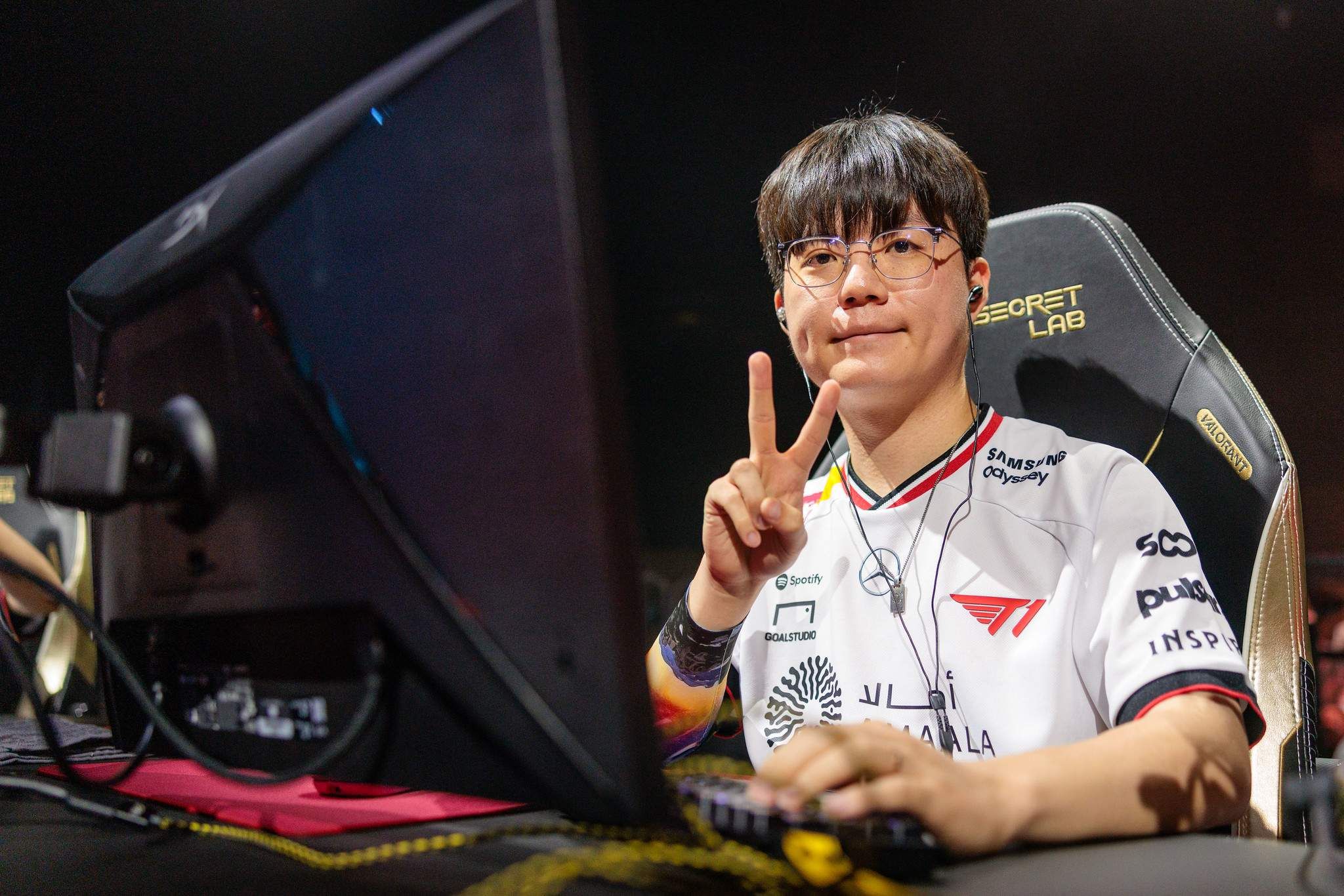
Featured image credit: Jess Cryderman/Riot Games
Read more:
Evil Geniuses to Shut Down Esports Operations
Strafe Esports' Team of the Tournament: VALORANT Champions Shanghai 2026
[UPDATED] All 2027 VCT Partner Teams: Americas, EMEA, Pacific, and China