
 en

Counter-Strike 2 Announcement Anniversary: Expectations vs. Reality
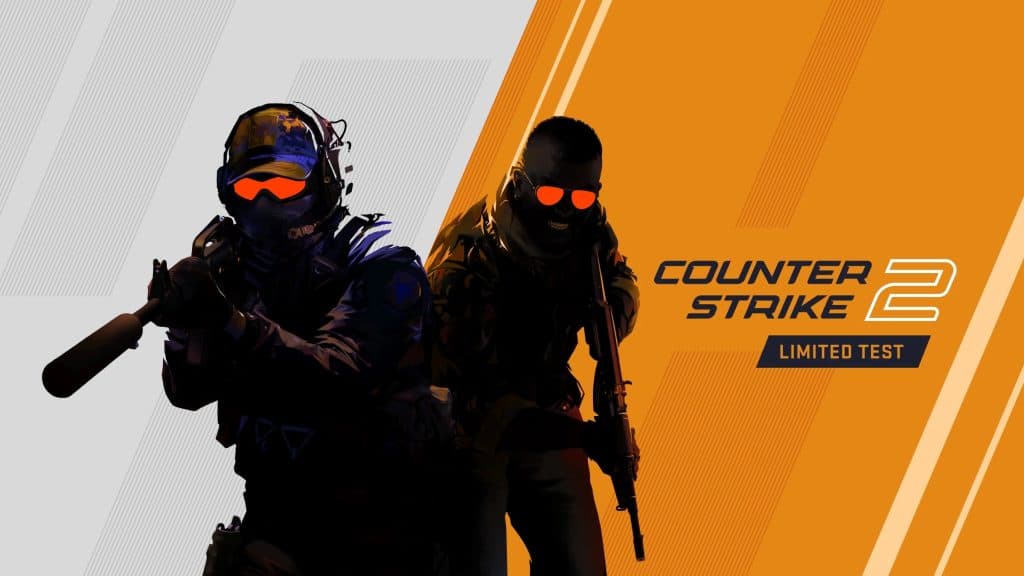
Today is Counter-Strike 2 two-year anniversary of its announcement trailer, and we will make use this special date to reflect on how Valve's ambitious promises have translated into reality (or not) in the current state of game, as that fatidical video set high expectations by showcasing revolutionary features like volumetric smokes, sub-tick system and much, much more.
While we know the journey from promise to delivery is complex and influenced by different aspects such as technological advancements and community feedback, this article aims to analyze what was promised versus what is currently offered, examining how Valve navigated the challenges of meeting community expectations while pushing the boundaries of competitive gaming.
Promised Features vs. Current Offerings
Volumetric Smokes
Promise: The CS2 announcement trailer showcased revolutionary volumetric smoke grenades that could be manipulated by gunfire and explosions.
Reality: Valve has successfully implemented this feature, transforming smoke grenades into dynamic, volumetric entities. Players can now shoot through smokes to create temporary gaps, use explosives to disperse them, or manipulate their shape with utility.
This addition altered gameplay strategies, especially in professional matches, where teams now incorporate smoke manipulation into their tactics. However, the new smokes can be more GPU-intensive, affecting performance on lower-end systems.
Sub-tick System
Promise: Valve promised a "sub-tick" update system that would make tick rates irrelevant for moving, shooting, and throwing grenades.
Reality: The sub-tick system has been implemented, replacing the traditional tick-based architecture with a more fluid, time-based model. This change has, in theory, improved server responsiveness and reduced the impact of varying client frame rates on gameplay. Many players report smoother movement and more consistent grenade throws.
However, the community remains divided on its effectiveness in combat, with players still experiencing hit registration issues or feeling that the change altered the game's familiar rhythm. Valve continues to fine-tune this system based on player feedback and data analysis but the game is far from the experience CS:GO was.
Improved Graphics and Lighting
Promise: The trailer showcased enhanced graphics and lighting using the Source 2 engine.
Reality: CS2 has delivered great visual improvements, leveraging the Source 2 engine's capabilities. Maps now have enhanced textures, more detailed models, and dynamic lighting that reacts to in-game events. The new particle systems for explosions and bullet impacts add to the visual fidelity.
These improvements, however, come at a cost of higher system requirements. While many players appreciate the enhanced visuals, others have reported performance issues, especially on older hardware. Valve has been working on optimizations, but finding the right balance between visual quality and performance remains an ongoing process.
Map Overhauls
Promise: Valve promised to update classic maps and introduce new ones.
Reality: Valve reworked many classic maps, categorizing them into Upgrade, Overhaul, and Touchstone tiers. Maps like Dust II, Mirage, Nuke and Train have received the biggest visual and gameplay updates, with redesigned areas and new tactical possibilities.
While many players appreciate the fresh take on familiar layouts, others miss certain aspects of the original designs. The removal of some popular CS:GO maps and game modes has been controversial, with the community divided between those embracing change and those longing for the return of old favorites.
Community Expectations vs. Current State
Beyond the specific features showcased in the initial trailer, the Counter-Strike community had broader expectations for how CS2 would evolve and improve upon its predecessor.
Anti-cheat Measures
Expectation: The community hoped for improved anti-cheat systems.
Reality: Despite efforts to enhance security, cheating remains a significant issue in CS2. Many players have reported an increase in cheaters, and the lack of robust anti-cheat measures has been a point of frustration for the community. Professional players have explicitly called for better anti-cheat systems, especially if Valve wants players to take the new matchmaking system seriously.
Matchmaking and Ranking System
Expectation: Players anticipated an improved matchmaking experience that could compete with third-party services.
Reality: CS2 introduced a new Premier mode and ranking system, which has been generally well-received. The Premier mode features a map pick and ban phase, allowing players to choose maps before queuing, and introduces a global/regional ranking system. However, issues with server performance and the persistence of cheating have prevented it from fully replacing the popularity of third-party matchmaking services.
Performance and Stability
Expectation: The community expected a smooth transition to the new engine with improved performance.
Reality: While CS2 offers enhanced graphics and new features, the transition has not been entirely smooth. Many players, especially those in regions with limited server coverage, have reported significant performance issues, including lag, difficulty in weapon switching, and movement problems. \The game's higher system requirements have also led to performance drops on older hardware. Valve continues to work on optimizations, but achieving consistent performance across all systems remains a challenge.
Inventory Transfer
Expectation: Players hoped to retain their valuable CS:GO inventories.
Reality: Valve successfully implemented inventory transfer from CS:GO to CS2, preserving players' skins and items. This aspect of the transition has been largely smooth and well-received by the community, allowing players to retain their often valuable in-game assets.
How far can Counter-Strike 2 still go?
Counter-Strike 2 has made significant strides in delivering on many of its promises, particularly in terms of graphical improvements and innovative features like volumetric smokes. However, it's important to recognize that, like its predecessor CS:GO at launch, the game is still evolving and facing challenges that are natural to a product's development. The game has fallen short in some critical areas, notably in addressing persistent cheating concerns and fully optimizing performance across all systems.
As CS2 continues to develop, Valve faces the ongoing challenge of balancing innovation with the expectations of its dedicated player base. Improving communication with players and being more responsive to community feedback are crucial steps forward. In a competitive FPS market where rivals excel in community relations, Valve must strive to meet or exceed these standards. By refining performance, expanding content, and enhancing communication, CS2 can build on its promising start and solidify its position as a leading title in the genre.
Follow Strafe Esports for all the latest Counter-Strike news and our X account for the newest content and coverage. Also, stay tuned to Strafe YouTube for exclusive interviews, press conferences, and more.
Feature image credits: Valve
Read also:
Top Teams to Compete in IEM and PGL Events without Break
Big update coming to Counter-Strike? Vacnet 3.0, Armory 2, and more