
 en
en
Rocket League Owner Epic Games Faces Patent Lawsuit Over In-Game Chat System
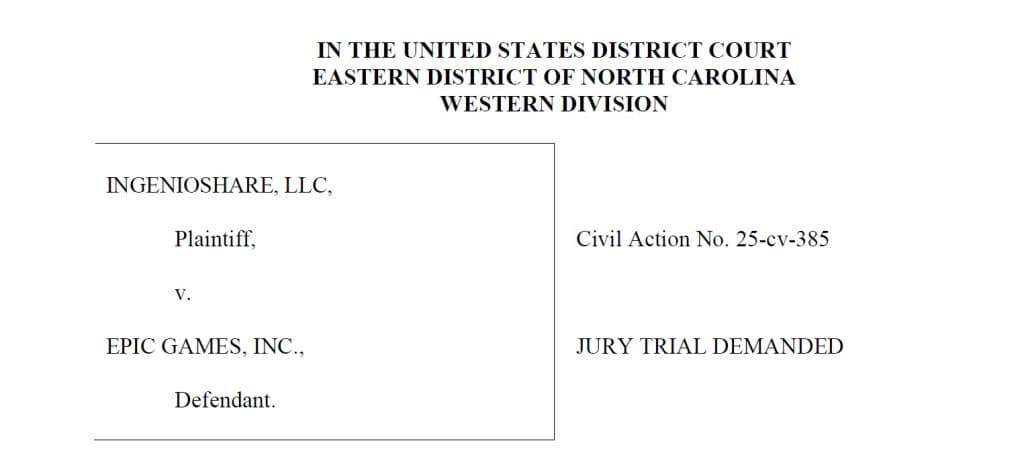
Epic Games, the powerhouse behind popular titles like Rocket League and Fortnite, is facing a major patent infringement lawsuit. California-based IngenioShare LLC filed suit on July 2, 2025, claiming Epic's popular games violate three key patents related to communication systems that let players chat without revealing personal contact information.
The Legal Battle Behind the Scenes
This isn't the first time these two companies have squared off. IngenioShare has been trying to get Epic Games' attention since 2018, sending multiple notices about potential violations before going for the patent lawsuit. The company first sued Epic in Texas back in 2021, but that case got tossed out due to venue issues. Now they're back in Epic's home turf of North Carolina, where the gaming giants have their headquarters in Cary.
What Makes This Case Different
The patents at the center of this dispute cover technology that's become essential to modern gaming. Think about when you're playing Rocket League and chatting with teammates through voice or text: you're using your Epic Games username, not sharing your real phone number or email. That's exactly the kind of system IngenioShare claims to have invented.
The three patents in question were issued between 2018 and 2020, covering methods for managing electronic communications through what they call a "network-based portal." This system lets players communicate using digital identities while keeping their actual contact information private.
Epic's Communication Features Under Fire
For Rocket League players, communication is crucial. The game brought back voice chat in 2022 after temporarily removing it, with features like Party Chat and Team Chat that work across all platforms. Players can talk to teammates during matches, join voice channels, and customize their chat settings, all while their real contact details stay hidden.
This communication system is what IngenioShare says infringes on their patents. The company argues that Epic's games use a network-based portal that provides multiple communication options (text, voice, images) to users, all tied to a single identifier that's separate from their actual contact information.

The Money Behind the Patent Lawsuit
The stakes are enormous. According to the complaint, Epic has made over $37 billion from Fortnite alone since 2018, with revenue projected to hit $6 billion in 2025. Recent data shows Fortnite continues to dominate, generating approximately $16 million per day through in-game purchases and battle passes.
Epic's success isn't just about Fortnite either. The Epic Games Store saw $1.09 billion in revenue during 2024, with over 74% coming from first-party titles like Fortnite and Rocket League. That's a lot of money flowing through the communication systems that IngenioShare claims are built on their patented technology.
The Patent Battle Timeline
IngenioShare didn't jump straight into court. They tried the business route first, reaching out to Epic multiple times between 2018 and 2020. When Epic didn't respond, they filed their first lawsuit in Texas in 2021.
Epic fought back hard, challenging the validity of IngenioShare's patents through the Patent Office's Inter Partes Review process. But their efforts backfired when the Patent Office confirmed all three patents were valid in 2023, and the Federal Circuit Court of Appeals backed that decision in April 2025.
A Growing Trend of Gaming Patent Disputes
This case highlights a growing trend in the gaming industry where communication features are becoming patent battlegrounds. Other recent high-profile cases include Nintendo's patent suit against Palworld developer Pocketpair and various disputes over game mechanics and virtual world technologies.
The gaming industry has seen a 42% increase in intellectual property disputes, with patent cases becoming more common as companies seek to protect their innovations in an increasingly competitive market.

The Technology at Stake
The patent lawsuit covers several key features that modern gamers take for granted:
- Single Digital Identity: Using one username across multiple communication methods
- Privacy Protection: Keeping real contact information hidden from other players
- Multiple Communication Modes: Supporting text, voice, and image sharing
- User Control: Allowing players to block others and set communication preferences
- Cross-Platform Compatibility: Working across different devices and platforms
These features are now standard in most online games, making the outcome of this case potentially significant for the entire industry.
Epic's Defense Strategy and Industry Impact
Epic isn't going down without a fight. The company has experience defending against patent lawsuit, recently claiming a major victory against Utherverse Gaming over virtual concert technology used in Travis Scott and Ariana Grande Fortnite events.
However, this case presents different challenges. The Federal Circuit has already affirmed the validity of IngenioShare's patents, and Epic is now estopped from challenging them on grounds they previously raised.
If IngenioShare wins, it could set a precedent that affects how communication systems are implemented across the gaming industry. Many games now use similar systems where players communicate through usernames while keeping personal information private.
The case also demonstrates how patent law is evolving to cover software innovations in gaming, moving beyond traditional hardware patents to protect the digital systems that power modern multiplayer experiences.
What's Next for Players
For now, Rocket League and Fortnite players can continue using their favorite communication features without any changes. Patent lawsuits typically take years to resolve, and even if IngenioShare wins, it would likely result in licensing fees rather than shutting down the systems.
The case does highlight the complex legal landscape that game developers must navigate. As gaming continues to evolve, expect to see more patent disputes over the technologies that power our favorite multiplayer experiences.
IngenioShare is seeking damages, attorney fees, and potentially treble damages for what they claim is willful patent infringement. With Epic's massive revenue from games that use the disputed technology, the financial stakes couldn't be higher.
This lawsuit represents more than just a legal dispute: it's a clash over who controls the building blocks of modern gaming communication. As players continue to demand better, more secure ways to connect with friends and teammates, the outcome of this case could shape how those systems are designed and implemented for years to come.
Stay tuned to Strafe Esports for more Rocket League news. Don't forget to follow us on our social media for updates on everything going on the gaming world.
Feature image credit: Epic Games
Read also:
Austin Major Souvenir Charms and Champions Sticker Capsule Arrive to Counter-Strike 2
FISSURE Universe Episode 5: Group Stage Results and Playoff Schedule
BEACON Game Changers Offers New Pathway for Aspiring VALORANT Pros
![Esports to Exit Asian Games After 2026, New Dedicated Event Confirmed for 2027 [UPDATED]](https://strafe-uploads-prod.s3.us-east-1.amazonaws.com/TEAM_KOREA_318e4cb137.jpg)