

 en
enDota 2 Teams
Dota 2 Teams
Rank
Team
Esport
Region
Followers
Matches
WR









Popular Dota 2 Teams


Latest news
Dota 2 Esports Guides & Tips

Winter Wyvern Dota 2 Guide: Best Build, Abilities, Talents, Strategies, and Lore
Winter Wyvern in Dota 2 is a support and disabler who can also function as a nuker. Her kit can save an ally through heavy focus, slow and chip down high-health targets, and flip a team fight by forcing enemies to attack one of their own. She rewards calm decision-making. One bad spell can disable your teammate at the wrong time. One good spell can decide the fight.
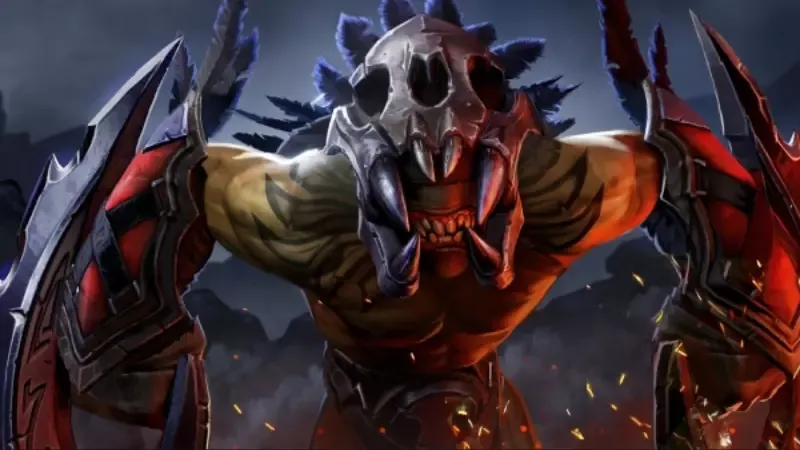
Bloodseeker Dota 2 Guide: Best Build, Abilities, Talents, Strategies, and Lore
Bloodseeker is one of the most aggressive heroes in Dota 2. Known for his incredible speed and ability to punish weakened opponents, he thrives on constant fighting. His gameplay revolves around chasing down low-health enemies, silencing them, and forcing difficult choices with his powerful abilities. This guide covers Bloodseeker’s lore, abilities, item progression, playstyle, and strategies to help you understand and play him effectively.

Nyx Assassin Dota 2 Guide: Best Build, Abilities, Talents, Strategies, and Lore
Nyx Assassin is a stealth-based disabler and nuker in Dota 2. He excels at picking off isolated enemies and creating pressure through early-game ganks. His strength comes from invisibility, burst damage, and stuns that can quickly shift the pace of a match. Understanding his skillset and positioning is key to playing him well.
FAQ
How to Read the Dota 2 Team Rankings Table
The Dota 2 team rankings table is your quick read on who's actually strong right now. It's built to help you interpret the current competitive level at a glance: how teams stack up, how stable their position is, and whether their recent results suggest they're trending up or slipping.
Each row shows Rank, Rating, Win Rate, Matches, and a recent-results form line. The Dota 2 rankings are designed to reflect present team strength, not success from the past.
Rank and Rating
In the Dota 2 rankings, Rank is simple: teams are ordered by Rating (highest Rating = #1). The Rank is the position in the table, not a popularity score.
The Rating score indicates how strong a team is based on performance. Strafe updates Rating from match outcomes using two factors:
- Recency matters more (newer results weigh heavier than older ones)
- Opponent strength matters (beating strong teams boosts you more than beating weak ones)
Why the top is "tighter": differences between top teams are usually more meaningful because they're built from results against other strong opponents. Lower down, the same rating gap can be driven by fewer matches, inconsistent opposition, or volatility.
All in all, these rankings measure current strength, not historical achievements.
Win Rate and Matches
Win Rate is the percentage of matches a team has won. It's useful, but it's not magic.
The Matches number tells you how confident you should be in that win rate:
- 70% over 10 matches ≠ 70% over 100 matches
- Low match counts are more vulnerable to streaks, bracket luck, and quick meta swings
More matches generally means a more stable rating signal. Fewer matches can still produce a high Rating, but it's more likely to move sharply after new results.
Team Form (Recent Results)
Team Form uses the last 5 matches (W/L pattern) to show short-term direction.
Form helps you spot:
- Whether the team is heating up or cooling off
- If a rating position might change soon
- How much of their performance is "right now" vs "over time"
Recent form can be a near-future indicator because Strafe's Rating prioritizes recency. When a team strings together results against good opposition, it tends to show up quickly.
What the Rating Score Represents
The Rating used in Dota 2 team rankings is performance-based. It's calculated using:
- Recent matches
- Strength of opponents
- Consistency
- Results over time
You can think of it as a weighted performance score: wins matter, but who you beat and when you beat them matters too. Those are the "ranking points" effects users notice when a big upset causes movement.
Best Teams vs Most Successful Teams
The strongest teams in the Dota 2 world rankings are not automatically the most historically successful teams.
"Most successful" usually means trophies, legacy rosters, famous orgs, or old seasons. "Best right now" means the current Rating says they are outperforming the field.
A team can have a huge legacy and still sit outside the top Dota 2 teams on this list if their recent months are shaky. Likewise, a newer roster can climb fast if they keep beating strong opponents and doing it consistently.
Recent months matter more than previous seasons in a live strength ranking.
How to Use Dota 2 Rankings
Use the Dota 2 rankings today to:
- Follow the competitive scene without guessing
- Compare teams across events and patches
- Understand whether wins are stable or streaky
- Anticipate match performance trends based on rating direction and recent form
Popular Dota 2 Teams
Latest news