
 en
en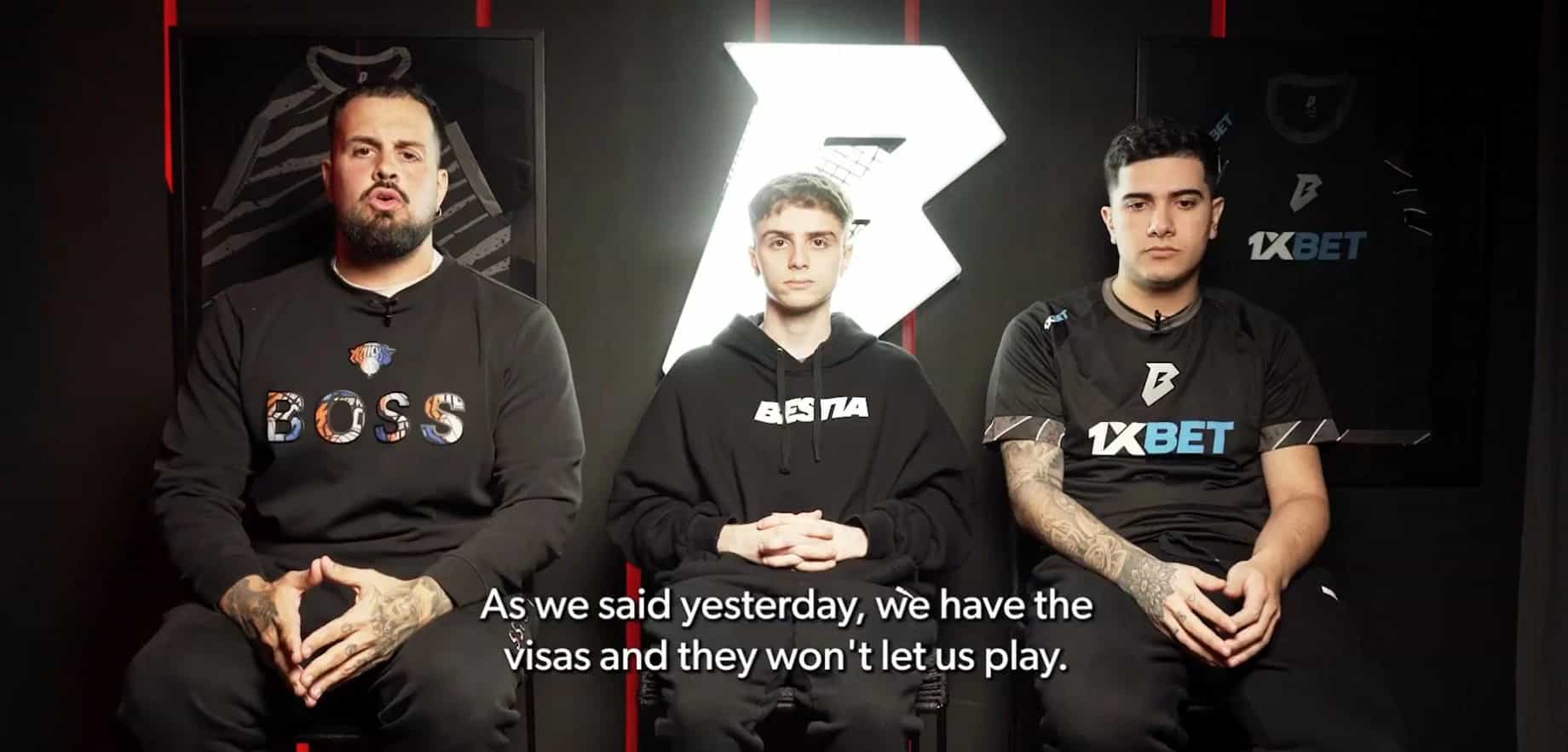
BESTIA Visa Controversy Escalates: Community Rallies as BLAST Stands Firm Despite Visa Approvals
The BESTIA visa saga has reached a boiling point as new developments emerge daily, transforming what began as a bureaucratic hurdle into one of the most contentious decisions in Counter-Strike Major history. While our previous analysis detailed the initial controversy surrounding BLAST's decision to replace the Argentine team with Legacy, recent events have only intensified the debate and community outcry.
The Approved Visas that Changed Everything
The whole situation took a sharp turn when BESTIA CEO Alejandro "PapoMC" Lococo announced that the team's long-awaited pending Bestia visa approvals were secured yesterday, May 22nd.
This breakthrough represented the culmination of years of effort, as PapoMC had previously explained that the team had been "trying to sort out the visa situation for three years but we keep getting turned down." The timing appeared perfect - with visas already secured, BESTIA would have more than a full week to make travel arrangements and prepare for their historic Major debut.
However, the celebration was short-lived. Despite this positive development, BLAST remained unmoved, officially confirming Legacy as BESTIA's replacement and effectively closing the door on Argentina's Major dreams.
BLAST's Defensive Stand
BLAST's response to the mounting pressure revealed the organization's rigid adherence to predetermined deadlines. In an official statement, BLAST defended their decision by emphasizing that they had established "a clear deadline of Wednesday, May 21st, at 5pm CEST for their players to have confirmed visas.". Added to that, Blast has reaffirmed that "BESTIA were repeatedly provided with follow-ups, support and updated invitation letters for their visa processes upon request," but "became unresponsive after their players failed to obtain their initial visas."
The tournament organizer argued that BESTIA's communication at 1:20 pm CEST on May 21st only mentioned "visa appointments, not confirmed visas," which they claimed "fall short of the requirements we communicated." BLAST maintained that while the BESTIA Visa situation was expected to be resolved on May 26th or 27th with emergency interviews, these were merely appointments rather than guaranteed approvals.
BLAST also revealed that their decision had been "validated by Valve," suggesting that the game's developer supported the tournament organizer's stance. This validation carries significant weight, as Valve ultimately controls Major tournaments and could theoretically intervene if they disagreed with BLAST's decision.
The Unseen Details that Help Understand the Challenge
In the very first hours of today, May 23rd, Sacha "gAtito" Carruccio, provided more details into how hard the BESTIA Visa process is. In summary (and per his own words):
- - Tomaszin and Luchov were going to be denied visas, because they had already been denied multiple times before and, in Argentina, if you have a history of previous denials, the consulate will automatically refuse you.
- - The only way to reverse this is through direct intervention by the Argentine government and the Foreign Ministry - which they managed to do.
- - BESTIA had official confirmation from the Argentine government that the visas would be granted before the deadline (99% confidence) and BLAST knew about this
- - The "deadline" of May 21 didn't exist since February. BLAST would have said "as soon as possible", without a set-in-stone date.
- - BESTIA got the visas as they said they would, before the initial expectation of May 26th.
- - South American teams face visa complexities that European or North American teams don't. And when there's a history of denials, it's an even harder process to follow.
Community Uprising and the Unprecedented Support
Support continues to pour in from all corners of the esports world, transcending regional boundaries and competitive rivalries. Top-tier players, coaches, and fans alike have kept the conversation alive, using their platforms to call out what many see as a clear injustice, specially now that the Bestia Visa situation is solved. The movement has become a rallying point for those who believe in fair play and equal opportunity, regardless of nationality or region.
The emotional weight of the situation resonates particularly strongly with those who understand the significance of BESTIA's achievement. This would have marked the first time an Argentine-majority lineup attended a Counter-Strike Major—a milestone representing years of dedication and sacrifice from both the players and the broader Argentine Counter-Strike community.
Potential Economic Pressures Behind the Decision
The timing of Valve's sticker release on May 23rd adds another layer of complexity to the controversy. The BLAST.tv Austin Major stickers and viewer pass became available just two days after BLAST's final decision to replace BESTIA, raising questions about whether economic considerations influenced the timeline.
The pressure to finalize team rosters for sticker production may have contributed to BLAST's reluctance to wait for BESTIA's visa resolution. With stickers requiring team logos and player autographs, any roster changes after production would create logistical and financial complications. The Shanghai Major 2024 had reportedly suffered the lowest sticker sales since 2021, making the Austin Major's commercial success particularly important for Valve and participating organizations.
Legacy's inclusion in the sticker lineup instead of BESTIA means the Brazilian organization will benefit from the revenue sharing that comes with Major participation, while BESTIA loses out on this significant financial opportunity alongside their competitive dreams.
Legacy's Undeserved Backlash for BLAST's Decision
While BLAST bears responsibility for the controversial decision, Legacy has unfortunately become a target for community frustration despite their minimal role in the situation. The Brazilian organization legitimately earned their place as the runner-up in the South American qualifier, making them the natural replacement according to standard tournament protocols.
The attacks on Legacy represent a misplaced response to a systemic problem. CEO Ricardo Sinigaglia attempted to clarify the situation by explaining that if Legacy declined the invitation, the spot would have gone to the next seeded team (ODDIK) rather than returning to BESTIA, demonstrating that their participation doesn't directly prevent BESTIA's inclusion.
Legacy's players and organization deserve recognition for their professionalism in a difficult situation. They qualified legitimately for the Major through their runner-up finish and are now being vilified for accepting an opportunity that any competitive organization would pursue.
Diminishing hope for resolution
As the days pass since BLAST's announcement, the likelihood of reversing the decision continues to diminish. Despite the massive community pressure and confirmed visa approvals, BLAST has shown no indication of reconsidering their position. The organization's statement that Valve "validated" their decision suggests institutional support that makes intervention unlikely.
However, the unprecedented nature of the community response keeps a glimmer of hope alive. The sustained pressure from professional players, organizations, and fans demonstrates the widespread belief that BLAST's decision violates fundamental principles of competitive integrity and regional equality.
BESTIA captain Nicolás "Noktse" Dávila's pointed question resonates with many observers:
"I wonder what [BLAST and Valve would] do if this happened to a S-tier team. I wonder if they know how difficult it is for an Argentine organization to invest and gain a foothold in the circuit."
Will Bestia make it to the Major?
At this stage, the odds of BESTIA reclaiming their spot at the Austin Major are slim, but not entirely extinguished. Despite the team finally securing their U.S. visas, the tournament organizer and Valve have shown no signs of reversing their decision. The deadlines have passed, the stickers are printed, and Legacy is already preparing to compete.
For now, all signs point to Legacy representing South America in Austin, while BESTIA and their supporters are left to reflect on what might have been. The situation stands as a powerful lesson for tournament organizers: visa issues must be handled with greater flexibility and empathy, especially for teams from regions facing systemic barriers.
Unless BLAST and Valve make an extraordinary, last-minute intervention, BESTIA’s Major dream will remain unfulfilled this time. But the legacy of their fight, and the unity it inspired, will shape conversations about fairness and opportunity in Counter-Strike for years to come.
For the latest CS2 news and guides, follow Strafe Esports. Also, check out our X account for real-time content and coverage.
Feature media credits: Bestia
Read also:
IEM Dallas 2025 Playoffs: Teams, Format, Results, and More
Corinthians Esports Livestream Chaos: Accusations, Unpaid Wages, and Missing Money
Team Liquid loses Honda Sponsorship after offensive Social Media post