
 en
en
The Living Nightmare: The Dark Power of Bane in Dota 2
Bane in Dota 2 wins fights by removing one enemy from the game, then doing it again. He does not clear waves fast or burst whole teams. He locks down key targets, drains their strength, and forces awkward saves that break enemy positioning.
This article explains Bane’s lore, abilities, talents, and support playstyle using only the details provided.
Who is Bane?
Bane is also known as Atropos, the Bane Elemental. He formed from the midnight terrors of the goddess Nyctasha. He surfaced from her slumbers, fed on her immortality, and took his vaporous form from her inky blood.
Bane represents pure fear. Heroes who hear him hear their darkest secrets whispered to them. Wakefulness does not protect anyone. His black blood drips like tar and traps enemies in nightmare, even while they stand and fight.
Gameplay Strategies
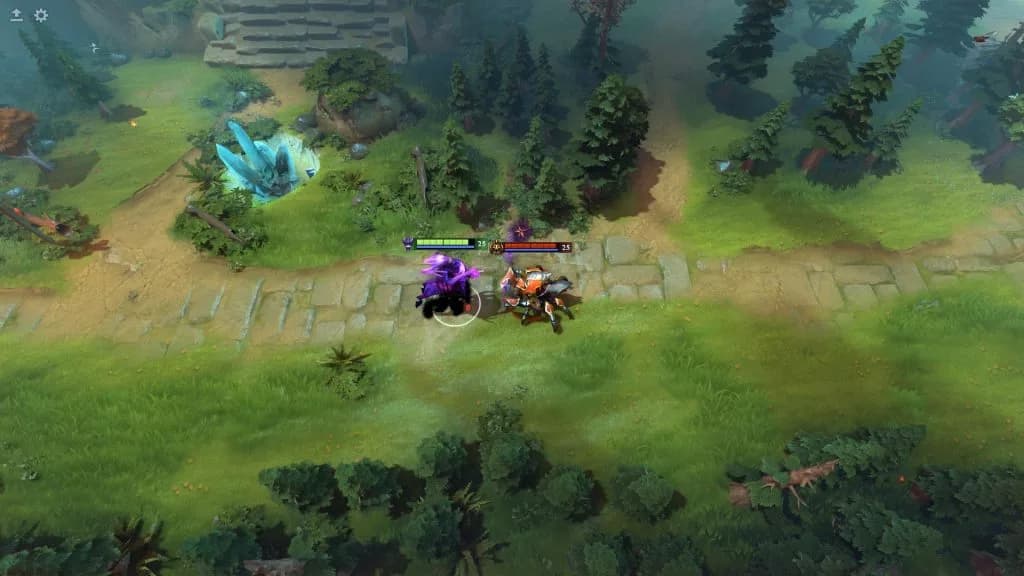
Bane is a single-target disabler with pure-damage spells and long control. He sets up kills for teammates, especially when they have strong damage or unreliable stuns that need time to land.
He fits most often as a support who roams and ganks. His kit helps him trade in lane, start pickoffs, and shut down high-value heroes in teamfights.
Bane’s roles are Support, Disabler, Nuker, and Durable. His weaknesses come from the same place as his strengths. He focuses one target at a time, and he has limited tools for dealing with groups.
Abilities Explained
Bane’s spells are simple to read but easy to misuse. He punishes careless positioning and rewards patience.
Enfeeble
Enfeeble deals pure damage over time and reduces the target’s total attack damage and cast range. It does not pierce debuff immunity, and Linken’s Sphere can block it.
At max level, Enfeeble has a long cast range (up to 1100 before bonuses). That range lets Bane apply pressure without stepping into danger.
The attack damage reduction is heavy. It can cripple carries who rely on right-click damage. The cast range reduction also matters against heroes who need to stand far back to land disables or spells.
Enfeeble’s debuff does not stack if you cast it again on the same target. It refreshes values and duration instead.
Brain Sap
Brain Sap deals pure damage to an enemy unit and heals Bane for the same amount. It pierces debuff immunity, and Linken’s Sphere can block it on cast.
Brain Sap swings trades. In lane, it can punish harassment and keep Bane healthy. In fights, it adds reliable damage while keeping Bane alive long enough to cast again.
Aghanim’s Shard changes Brain Sap into a 550-radius AoE spell centered on a unit. It also reduces Brain Sap’s cooldown by 3. Secondary targets only heal Bane for 30% of the normal amount.
Brain Sap’s heal depends on the damage dealt. Damage changes affect the heal. Heal changes can still affect the healing Bane receives.
Nightmare
Nightmare puts an enemy or allied hero to sleep. The sleep ends when the target is damaged, but the details matter. If someone directly attacks the nightmared target, the Nightmare transfers to the attacker.
Bane can attack nightmared targets freely. That makes Nightmare both a setup tool and a personal damage window.
Nightmare also grants a 1-second invulnerability at the start. It sets the target’s base vision to 200. That vision change can hide movement and reduce information in the moment.
Nightmare does not pierce debuff immunity, and Linken’s Sphere can block it on cast.
Nightmare can save allies. The invulnerability can dodge projectiles and abilities. It can also backfire if it dodges allied disables or damage that was meant to land during the first second.
Nightmare has a self attack speed bonus against the affected unit. This bonus helps Bane hit nightmared targets without breaking the effect.
Nightmare End
Nightmare End ends all ongoing Nightmares. It replaces Nightmare while any Nightmare from Bane remains active.
Nightmare End does not interrupt Bane’s channeling abilities. It can be used while stunned, cycloned, slept, taunted, hidden, or during forced movement. This ability cannot be used while silenced, hexed, or otherwise prevented from acting.
It wakes all units put to sleep by Nightmare, no matter who put them asleep. That detail is important. Use it with care in messy fights.
Fiend’s Grip
Fiend’s Grip is Bane’s ultimate. It grips a target, disables them, deals heavy pure damage over time, and drains mana every 0.5 seconds based on the target’s maximum mana.
Fiend’s Grip pierces debuff immunity, and Linken’s Sphere can block it on cast. It is channeled, so stuns and silences can interrupt it. If enemies can reach Bane, they can often stop it.
Fiend’s Grip fully disables the target and provides True Sight over them for the channel duration. If the target turns invulnerable or hidden, the channel ends instantly.
Casting Fiend’s Grip on a nightmared unit wakes them up. Fiend’s Grip also removes Nightmare from the targeted enemy.
Aghanim’s Scepter upgrades Fiend’s Grip. It reduces the cooldown by 45 seconds and creates two uncontrollable illusions that also channel Fiend’s Grip on the target. These illusions die if interrupted and take increased incoming damage. Their grip damage does not stack.
The upgrade changes how fights play out. It can make interrupts harder, but it also gives enemies extra targets to remove if they can reach them.
How Bane Plays as a Support
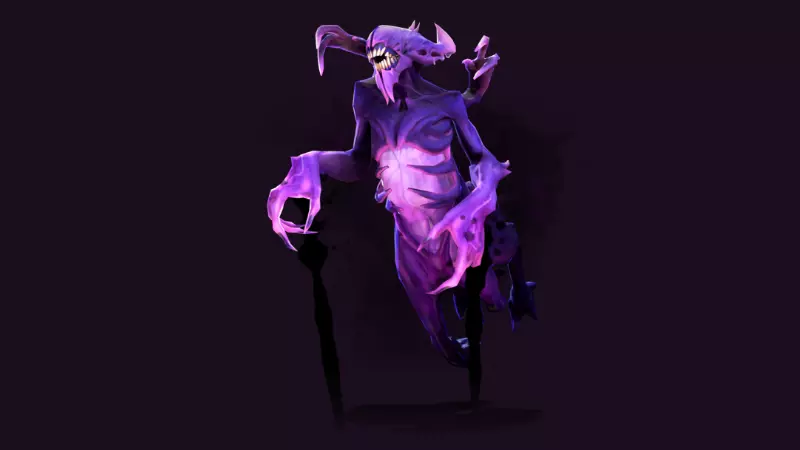
Bane’s game plan is consistent. He wants strong early trading, clean rotations, and safe positioning around fights.
Laning Phase Basics
Bane trades well because Brain Sap both hurts and heals. Nightmare adds safety and setup. Enfeeble can reduce damage and cast range when the lane matchup calls for it.
At level one, Bane often chooses between Nightmare for setup or Brain Sap for trading. Both options support early pressure.
Bane’s mana pool can hold him back. His spells cost a lot for how often he wants to cast. Early regeneration matters.
Roaming and Ganking
Bane can roam because he has strong disable timing and decent movement speed. Nightmare can lock a target in place long enough for teammates to arrive and land their spells.
A common gank flow is simple. Start with Nightmare to hold the target. Move into position. End Nightmare by using Fiend’s Grip when your team is ready to commit. Finish with Brain Sap near the end.
This sequence gives your team time to line up skill shots and damage. It also limits the target’s options, even if they have debuff immunity available.
Teamfights and Target Priority
Bane can shut down three different heroes in a single fight because each spell can affect a separate target. That is often stronger than stacking everything on one hero.
Use Enfeeble on a high attack damage core, and Nightmare to remove a support who can save or interrupt you. Use Fiend’s Grip on the hero your team wants to kill, especially if they rely on spell immunity.
Bane is not a first initiator in most fights. He is fragile and has no built-in escape. He works better as a second-wave controller who casts once enemies commit and reveal their stuns.
Positioning decides fights for Bane. Cast from max range when possible. Use trees and fog. Stay far enough back that enemies must overextend to interrupt Fiend’s Grip.
Ability Details That Decide Games
Small mechanics make a big difference on Bane. Misusing these can save enemies or disable your own teammate at the wrong time.
Nightmare transfers when a unit other than Bane starts attacking the target. That means an enemy can wake their teammate by attacking them and taking the Nightmare themselves. A ranged hero can do this safely from distance.
Nightmare’s first second makes the target invulnerable. That can waste your own team’s damage if they hit too early. It can also save an ally from a projectile or spell at the last moment.
Nightmare reduces vision to a base value of 200. That can deny information during a setup. It can also keep a target from spotting a rotation that would have stopped your gank.
Fiend’s Grip ends if the target turns invulnerable or hidden. The channel also ends if Bane gets disabled or killed. Your job is to make stopping you hard.
Talents That Fit Bane’s Job
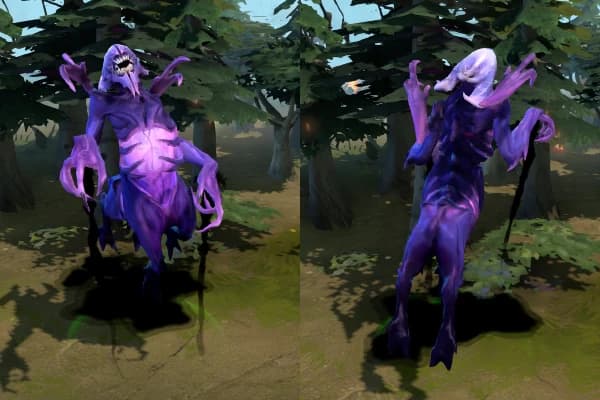
Bane’s talents amplify what he already does: control, sustain, and reliable single-target pressure.
Level 10 Talents
Bane can take either a Brain Sap cooldown reduction or increased Enfeeble cast range reduction. The cooldown talent leans into repeated trades and gank damage. The Enfeeble talent leans into crippling damage and cast range harder.
Level 15 Talents
Bane can increase Fiend’s Grip max mana drain or add Enfeeble damage per second. The mana drain talent matters against heroes with large mana pools. The Enfeeble damage talent adds steady pressure.
Level 20 Talents
Bane can gain movement speed or reduce Nightmare cooldown. Movement speed helps positioning and survival. Nightmare cooldown helps frequent pickoffs and defensive saves.
Level 25 Talents
Bane can increase Fiend’s Grip duration or increase Brain Sap damage and heal. Longer Grip increases control time and total drain. Stronger Brain Sap increases burst and survivability.
Item Choices and What They Solve
Bane’s items usually cover three needs: mana, positioning, and protection while channeling.
Starting items often support sustain and mana so Bane can cast early. Observer Wards also matter because Bane’s disables work best when he sees the target first.
Early game items like Arcane Boots help with mana pool and team mana. Magic Wand adds burst resources. Infused Raindrops offers cheap help against magical nukes. Sentry Wards help against invis and dewarding.
Mid game items often focus on reaching the right spot and staying alive. Blink Dagger helps positioning. Aether Lens increases cast range and mana regeneration and can come from disassembling Arcane Boots. Force Staff helps positioning and can break Linken’s Sphere. Glimmer Cape can protect Bane during Fiend’s Grip. Blade Mail can punish heroes who try to stop your channel by hitting you.
Late game, Bane can add tools that cover his weak points. Aghanim’s Shard gives Brain Sap an AoE option. Hurricane Pike adds positioning and range. Scythe of Vyse adds a reliable instant disable and solves mana issues. Gleipnir gives a way to affect multiple enemies, which helps a hero with mostly single-target spells.
Situational items include Ghost Scepter for protection against physical damage, Lotus Orb for dispel and reflection, Eul’s Scepter for movement and self-save, Shiva’s Guard for armor and teamfight presence, Solar Crest for utility, and Meteor Hammer to pair with Nightmare’s long disable time.
Strengths and Weaknesses
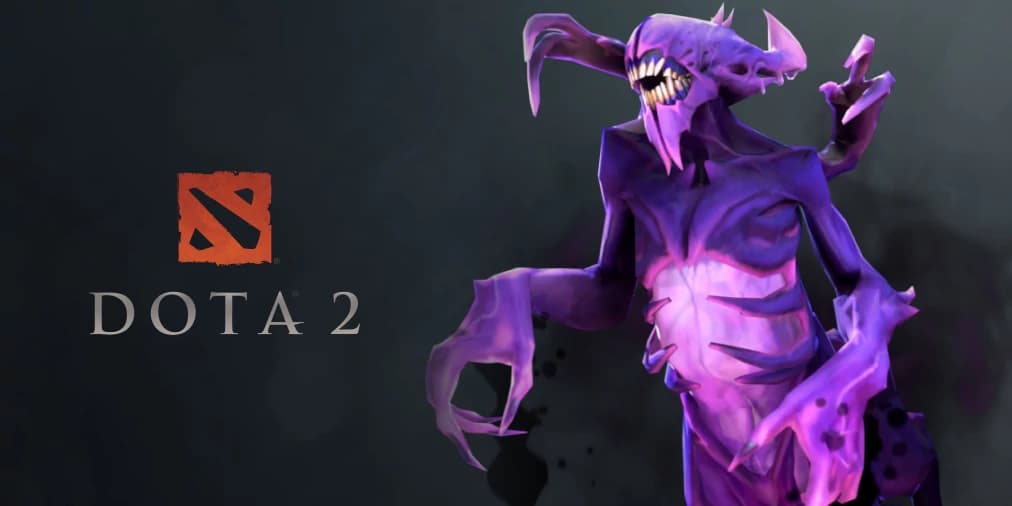
Bane’s strengths show up in fights that revolve around one key hero. He can remove that hero with long disables and pure damage.
He also shines in lanes and skirmishes where Brain Sap shifts health and Nightmare creates time for allies.
His weaknesses are clear. He lacks area control. He has low mobility. Fiend’s Grip is channeled, so interrupts punish him. Nightmare can save enemies if used poorly. He also struggles against items like Linken’s Sphere and Lotus Orb because his kit is heavily targeted.
Closing Takeaway
Bane in Dota 2 rewards players who stay calm and pick the right target. Win the vision battle, disable the interrupt, then commit Fiend’s Grip where it ends the fight. If you do that, Bane turns fear into a simple problem the enemy team cannot solve.
Don't forget to check out Strafe Esports for all the latest news and our X account for the latest content and coverage.
Featured Image Credit: Dota 2 Fandom