
 en
en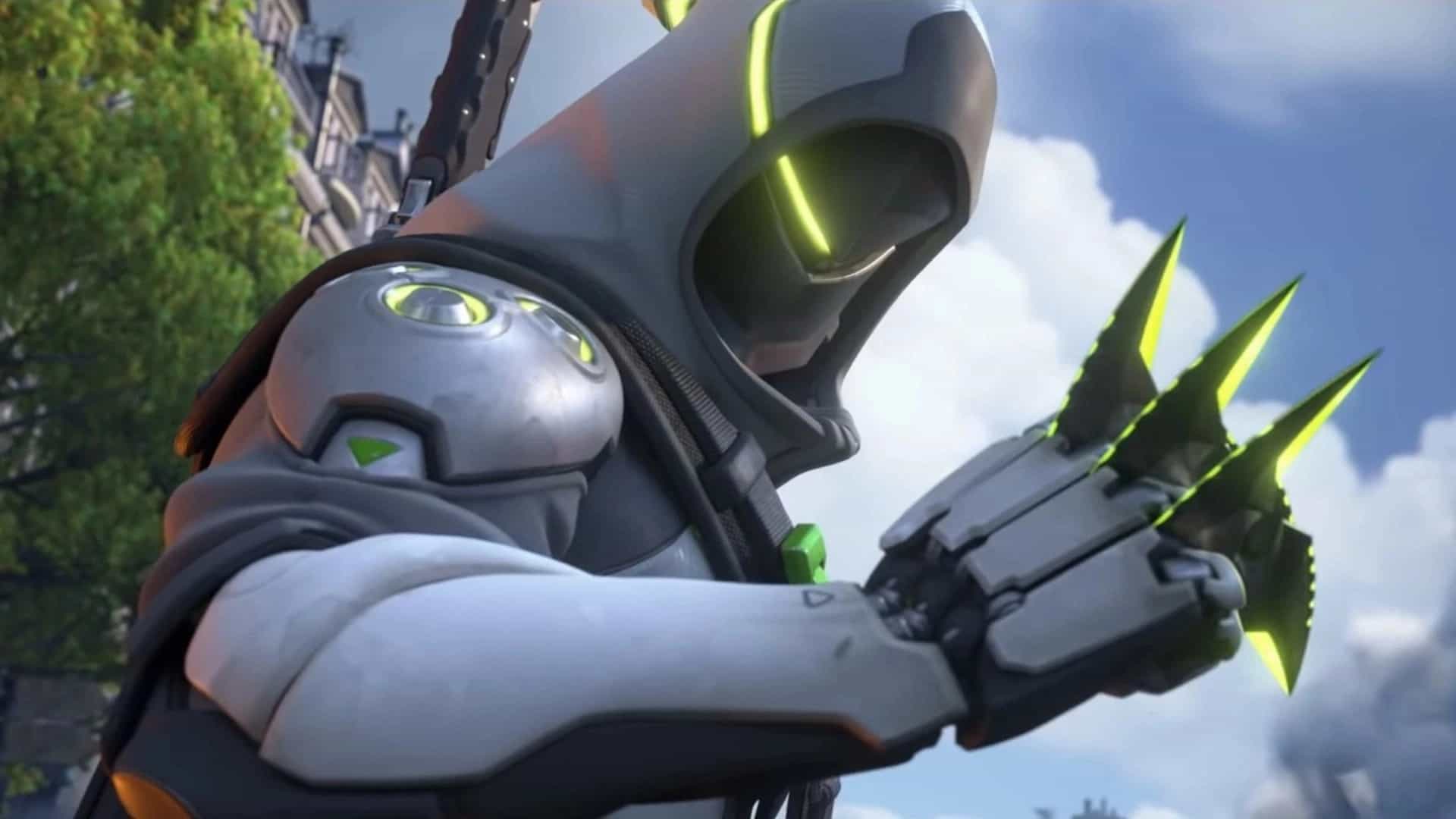
Overwatch 2 is live: What Should you Expect from the Sequel?
A Legacy to Live up To
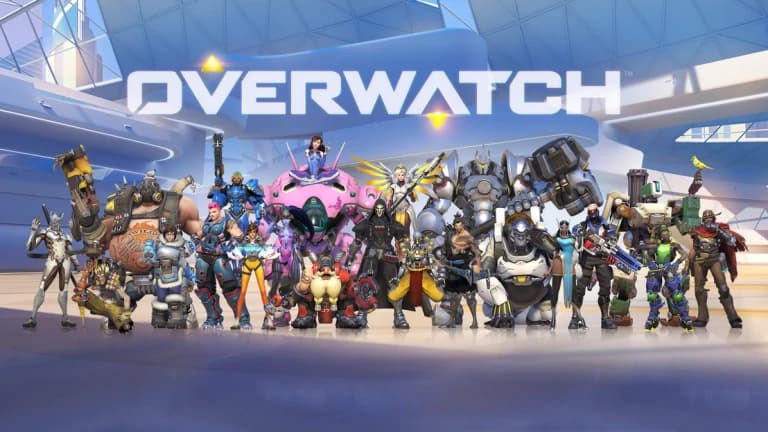
2016 saw the rise of the hero shooter genre, none more popular than Overwatch. The launch of its closed beta would see 9.7 million people take part and within 3 years, had over 50 million players. Overwatch would go on to win the Game of the Year award amongst other accolades in 2016 and Blizzard would win Best Game Direction. With numerous awards and recognitions, the original title was undoubtedly a masterpiece.
New Launch
In 2019, Blizzard announced the development of Overwatch 2 at BlizzCon. This was met with a great deal of excitement and hype and after 3 years, the sequel title would finally launch on the 4th of Oct 2022. The launch of the sequel would coincide with the closing of its predecessor’s servers, migrating the existing playerbase towards the new playfield.
As part of the reveal, plans for the sequel revolved around revamping the game, who’s meta and gameplay had become stale, and introducing a new PvE (Player vs. Environment) system. Unlike the former title, Overwatch 2 would become free to play, with the heroes unlockable through play and the battlepass.
At the time of this article, due to development delays, the game was launched in an incomplete state, with only the PvP portion available for play.
Doubts before Launch
The previous title, Overwatch, had endured great popularity thanks to its accessibility to players regardless of former experience. Roles such as support allowed players to impact the game through meaningful actions without the necessary extreme mechanics of other titles, say Counter Strike for example.
That said, Overwatch 2 would undergo massive changes, reducing from a 6v6 comp to a 5v5. The removal of one of the tank roles was to speed up the pace of the game as the developers had felt the original scheme ‘rendered gameplay slow.’
Introduction of hero passives to the different roles as well, would change the dynamic of matches. Damage class heroes would now enjoy increased movement speed, support heroes regenerate, and tank heroes have knockback reductions. This along with the now single tank, meant teamfights were more localised, with a single concentrated push needed with all members in order to secure objectives with more frequency.
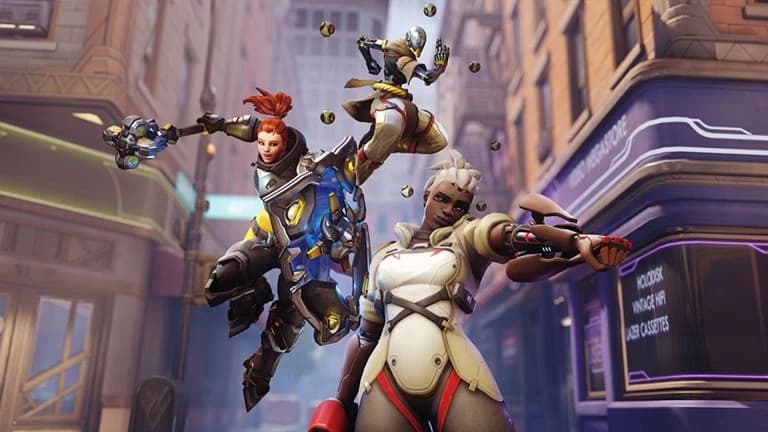
This would also be followed by the addition of three new heroes, Sojourn (Damage), Kiriko (Support), and Junker Queen (Tank).
Mixed Feelings
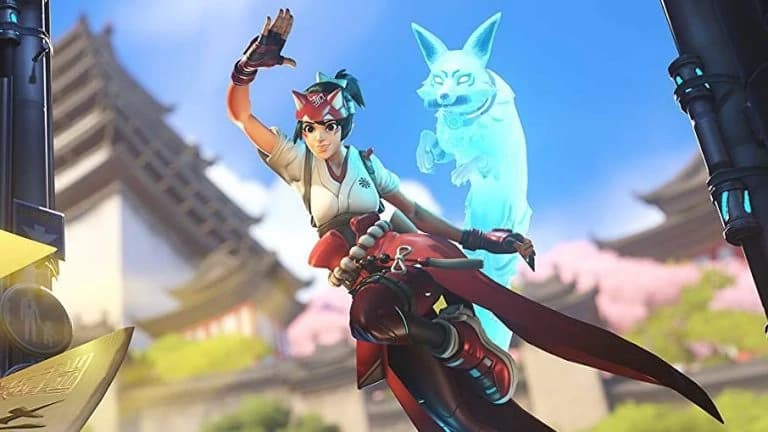
Overwatch 2 has received plenty of criticism from its original title’s fanbase. Most of the concerns stem from the direction Blizzard was taking the game in. With new hero Kiriko locked behind 55 stages of the battlepass, complaints abounded, from the needed grind for all items, to the pay-to-win aspect that now existed, it seemed the general consensus was strong disapproval over Blizzards attempt to turn their prized gem into a money grabbing sequel.
Overwatch’s strength has always been its easy accessibility and fun-to-play genre. However, fans of the previous game have found ‘it’s not the same.’ Whilst the gameplay is more fast paced and opportunities are more plentiful to make meaningful plays, the individuality has been prioritised over teamplay. Chasing dailies and tasks, Overwatch 2 feels like a diluted cousin to its predecessor, a husk of the former game that celebrated collaborative teamplay and experimentation. Gameplay now becomes a grind for XP collection.
Perhaps the previous picture painted is a grim one. As an avid player of the FPS genre and a fan of the original, it is difficult to not compare the sequel. As a standalone, Blizzard has done a fine job incorporating the spirit of ‘fun gameplay’, with the matches feeling as exciting and nostalgia inducing as years past. Time will tell if the sequel can match the legacy of the former.
Featured image credit: Blizzard Entertainment