

 en
en
Rage-Fueled Predator: How to Play Lifestealer in Dota 2
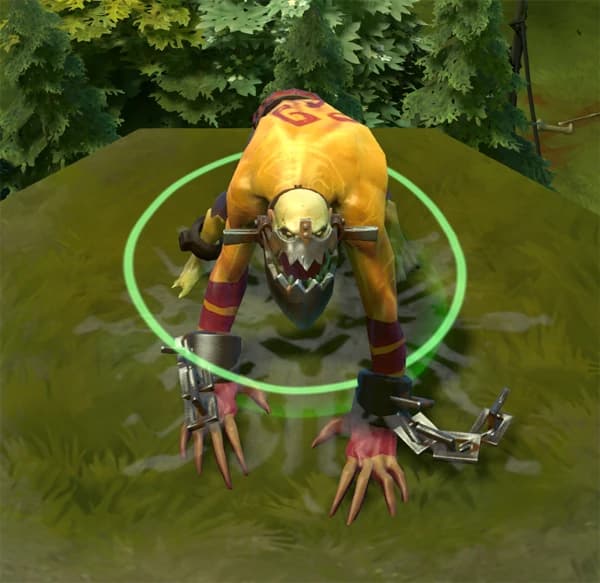
Lifestealer turns enemy health into his own. Feast converts a percentage of a target’s max HP into damage and healing on every hit, which is why he excels against tanky lineups. Rage gives brief debuff immunity, high magic resistance, and a burst of movement speed, letting him fight through most spells. Infest offers mobility, regen, and a lethal exit with Consume—and with Aghanim’s Scepter he can dive enemy heroes directly. These mechanics shape his role as a durable carry that thrives in scrappy, close-range fights.
Short lore
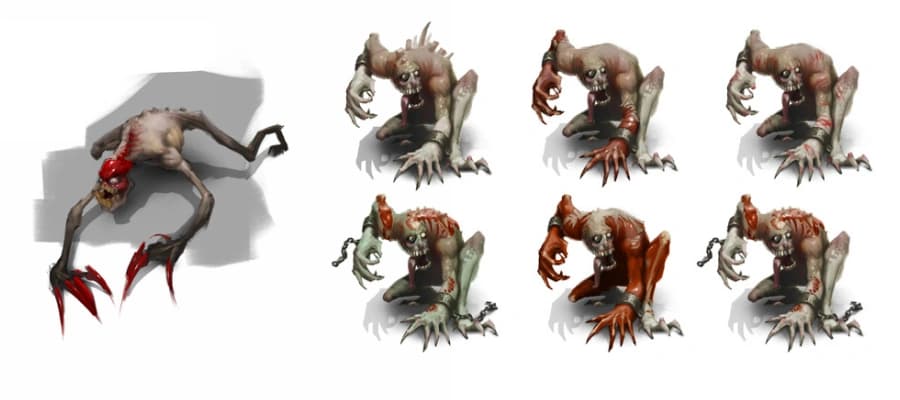
N’aix was a cursed thief whose sanity eroded in the dungeons of Devarque. A shackled wizard tried to hijack his body with a spell of infestation, but the minds tangled. Two wills now inhabit one form, wearing broken shackles as a warning that no prison holds him.
Roles and when to pick him
Lifestealer is best as a safelane carry. He trades well early, scales with items, and punishes high-HP offlaners by feeding on their health. Pick him when the enemy relies on long disables you can pre-empt with Rage, or when your team can deliver an “Infest bomb” using a mobile initiator to carry him into fights.
Abilities explained
Rage (Q)
Instantly grants debuff immunity, a large magic resistance boost, and bonus movement speed for a short duration. Use it to start fights, dodge disables with tight timing, or disengage. Patch updates have adjusted its numbers across versions, but the identity is consistent: short, reliable anti-magic uptime on a low cooldown for a carry.
Feast (W)
Each attack deals bonus physical damage and heals based on the enemy’s max HP. The heal applies in full even if the damage instance is reduced or blocked, which lets N’aix outlast bulkier heroes. This does not work on buildings, wards, allied units, or Roshan.
Ghoul Frenzy (E)
A passive that grants attack speed and applies a brief movespeed slow on hit. The slow refreshes with repeated attacks, helping you stick to targets while your raw attack speed synergizes with Feast.
Open Wounds (Shard)
With Aghanim’s Shard, Lifestealer gains Open Wounds, a single-target slow that makes all damage on the victim return life to allies. After the target takes a threshold of damage, the debuff spreads to another nearby enemy; attacks from real heroes also add bonus damage based on the target’s max HP. This gives the lineup team-wide sustain and better chase.
Infest (R) and Consume
Infest hides Lifestealer inside an allied or neutral unit, granting him strong health regen while inside and letting him exit with Consume to deal area damage. He can possess neutral or lane creeps to move and attack through them. The ability disjoints projectiles on cast and shares auras while hidden. With Aghanim’s Scepter, he can target enemy heroes for a short time, disarming and auto-attacking from within before bursting out.

Lane plan
Start in the safelane and focus on stable last-hitting. Use Feast to shrug off poke against strength offlaners. Keep Rage for key disables and kill windows. If the lane allows, trade often—your sustain wins long duels unless you get chain-stunned before Rage. Once you hit boots and a small damage spike, coordinate a support rotation; Ghoul Frenzy’s slow plus Open Wounds (if you already have Shard later) makes escapes difficult.
Mid-game goals
You want to fight around short Rage cooldowns and pick skirmishes rather than 5-on-5 standoffs. Infest lets you appear on top of priority targets or reposition when a fight turns. Pair with mobile heroes (e.g., Spirit Breaker, Storm Spirit, Puck) to deliver an Infest bomb and instantly start pressure. Even without Shard, your kit excels at isolating backliners once you reach them.
Late game approach
You scale through armor reduction, disables, and survivability. Feast stays relevant against late-game health pools. Your job is to commit onto a key core during Rage and hold them in place long enough to finish the kill, then pivot with Infest to reset or chase the next target.
Core itemization
Armlet of Mordiggian is the classic lifesteal-friendly spike: high damage, armor, and HP you can toggle while your kit offsets the drain. Desolator amplifies building and hero damage by shredding armor, leveraging your attack speed and spell resistance windows. Abyssal Blade supplies the hard stun you naturally lack. Assault Cuirass patches base armor, boosts attack speed, and further reduces enemy armor for objectives. Aghanim’s Scepter changes how you fight by letting Infest target enemy heroes for disarm and internal hits—useful once teams build answers to straight right-clicking. These choices reflect common, documented builds and interactions.
Situational pickups
-
Heaven’s Halberd vs. hard-hitting physical cores and to add a disarm window.
-
Radiance for farming and AoE chip that follows you while infested in a unit.
-
Maelstrom/Mjollnir to speed up farm and punish illusion-heavy drafts.
-
Orchid/Bloodthorn if your team lacks silence and you need true strike.
-
Nullifier to remove Ghost Scepter and defensive buffs.
-
Hand of Midas only when you must recover from a poor lane; it delays your fighting timing.
Talents and patches in brief
Lifestealer’s talents commonly boost Rage duration or speed, Feast scaling, Infest bonuses, and raw damage or health. Patch notes have tweaked numbers (e.g., Rage cooldowns and Feast scaling), but the hero’s identity remains a spell-proof brawler who thrives on contact. Always check current patch notes before ranked play.
Combos and timings
Dodging disables with Rage
Because Rage is instant, you can react to telegraphed stuns and dodge them. Precise timing prevents many setups and keeps your fight plan intact. Practice animation reads for the most common openers in your bracket.
Infest bomb
Hide in a fast initiator, jump a key target, Consume on landing, and stick during Rage while Ghoul Frenzy refreshes the slow. This pattern punishes isolated supports and split pushers and forces enemy saves early.
Open Wounds value
With Shard, cast Open Wounds before burst combos so your team heals from all damage sources on the target. The debuff spreads after enough damage is dealt, which can swing multi-target skirmishes.
Matchups and counters
Lifestealer’s natural counterplay is control that lands before Rage, kite that denies hits, and effects that pierce or ignore spell immunity. Armor stacking blunts your physical DPS if you skip armor reduction. Evasion items slow you down unless you build true strike. On your side, you excel against high-HP frontliners and low-mobility supports who can’t escape your slow and sustained damage.

Clean mechanics to remember
-
Feast heals at full listed value per hit even when damage is reduced or blocked.
-
Infest disjoints projectiles on cast and grants strong regen while hidden; exiting with Consume deals area damage. Targeting enemy heroes requires Aghanim’s Scepter and briefly disarms them while you strike from inside.
-
Open Wounds (Shard) grants lifesteal to all allies’ damage on the victim and spreads after a damage threshold, helping your team chase.
Playstyle checklist
-
Lane for CS first; trade when Feast wins the sustain battle.
-
Hold Rage for the first big disable, not for poke.
-
Fight in short bursts synced with Rage; reset with Infest when threatened.
-
Pair with a mobile initiator to deliver an Infest jump on isolated targets.
-
Add armor reduction (e.g., Desolator, Assault Cuirass) to finish kills during your window.
Building toward a win condition
Lifestealer wins by forcing close combat on his terms. He shrugs off most magic during Rage, clings to targets with Ghoul Frenzy, and drains bulky cores with Feast. Your item path decides whether you break high armor, pierce evasion, or add a hard stun. With discipline around cooldowns and a reliable delivery partner for Infest, he turns skirmishes into steady advantages and closes games around Roshan and outer towers in Dota 2.
Don't forget to check out Strafe Esports for all the latest news and our X account for the latest content and coverage.
Featured Image Source: Dota 2 Fandom