
 en
en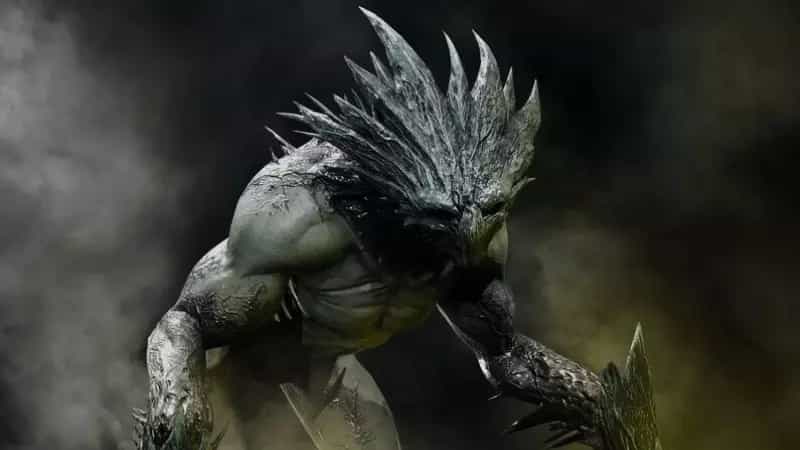
Facing The Terror of The Rooters in Rainbow Six Siege
Aidan van Vuuren
3 Feb, 2026, 12:04
|Last updated: 3 Feb, 2026, 12:15
Rooters in Rainbow Six Siege are enemies built to control space and punish slow reactions. They trap, immobilize, and isolate players, turning small mistakes into serious threats.
This article explains what Rooters are, where they come from, how they behave, and how they function during gameplay. It focuses on their role across the Outbreak event and Rainbow Six Extraction.
Understanding Rooters
Rooters are organisms created by the Chimera Parasite to quickly corner and immobilize threats. Their design favors control over raw damage.
They exist to stop movement, delay progress, and expose players to danger from other enemies. Every action they take serves that purpose.
Origins of Rooters
Early Chimera Infestation
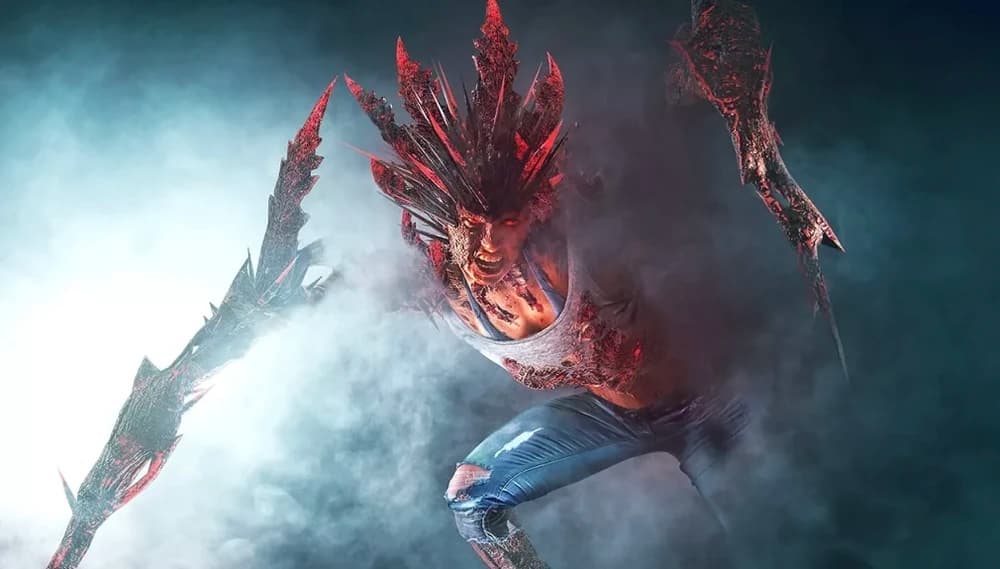
During the early stage of infestation, the Chimera Parasite relied on infected hosts. These hosts mutated into Rooters to meet the Parasite’s need for battlefield control.
The first known human Rooters appeared during the 2018 outbreak in Truth or Consequences, New Mexico. These early forms shaped how Rooters function across later encounters.
Human Rooter Transformation
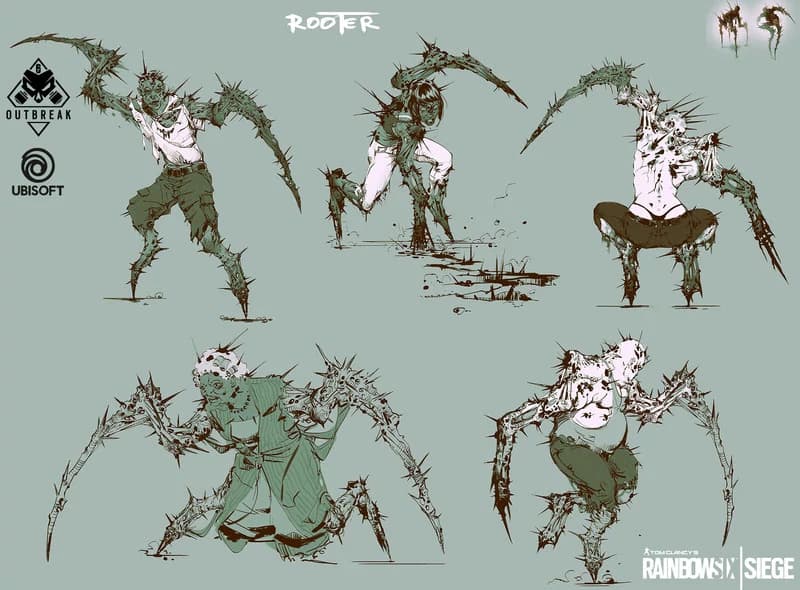
Human Rooters form when infected hosts lose control as their bodies change. Their limbs stretch and harden into blade-like carapace appendages.
Large spikes grow from the head to protect vital areas. These changes allow fast quadrupedal movement and stable rooting during attacks. Female hosts are commonly used. Their lighter frames likely support increased speed and agility.
Evolution Into Archæan Rooters
Shift From Hosts to Sprawl
The Chimera Parasite later adapted its strategy. Instead of infecting hosts, it began assimilating organic matter through Sprawl.
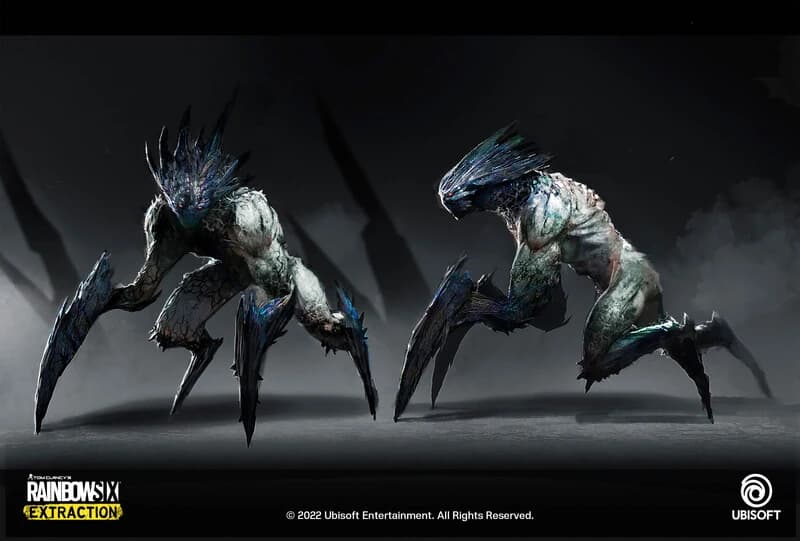
This change led to the creation of Archæan Rooters. These variants no longer rely on human bodies and show a more alien structure.
Structural Changes
Archæan Rooters remain mostly quadrupedal. Their appearance reflects direct construction by the Parasite rather than mutation.
After the arrival of the Tormentor, Archæan Rooters lost the ability to sink into the ground. The Parasite responded by increasing their muscle mass.
This adaptation raised strength but reduced speed. Their role stayed focused on immobilization and control.
Rooter Anatomy and Movement
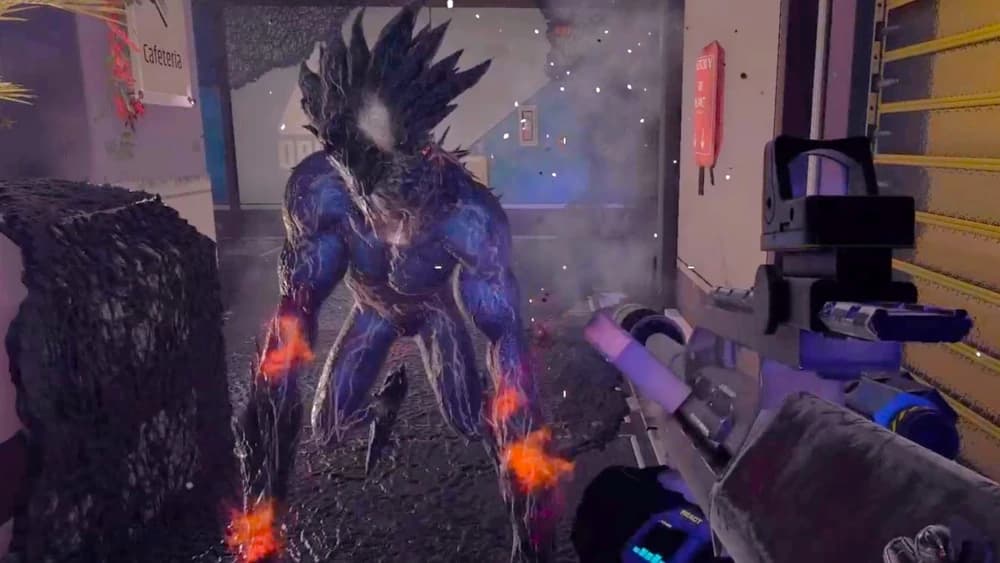
Rooters rely on hardened appendages for movement and combat. Their blade-like limbs allow quick traversal across terrain.
They anchor themselves into the ground when attacking. This stance stabilizes their tendril projections and limits escape routes for targets.
Their head spikes shield vital points. This forces players to reposition rather than attack head-on.
Rooter Behavior Patterns
Rooters act like sentries within a biome. They patrol areas and actively search for threats. They respond quickly to sound. Noise draws their attention and prompts investigation.
When obstacles block their path, Rooters destroy them. This keeps pressure on players who attempt to hide or delay. At close range, they strike with carapace-hardened arms. These attacks punish players who push too close.
Rooters in Outbreak
Battlefield Role
In the Outbreak event, Rooters serve as high-mobility control units. They appear alongside Grunts and Breachers.
Among Roaches, Rooters are the most mobile. Their movement patterns keep pressure on the team.
Teleportation and Attacks
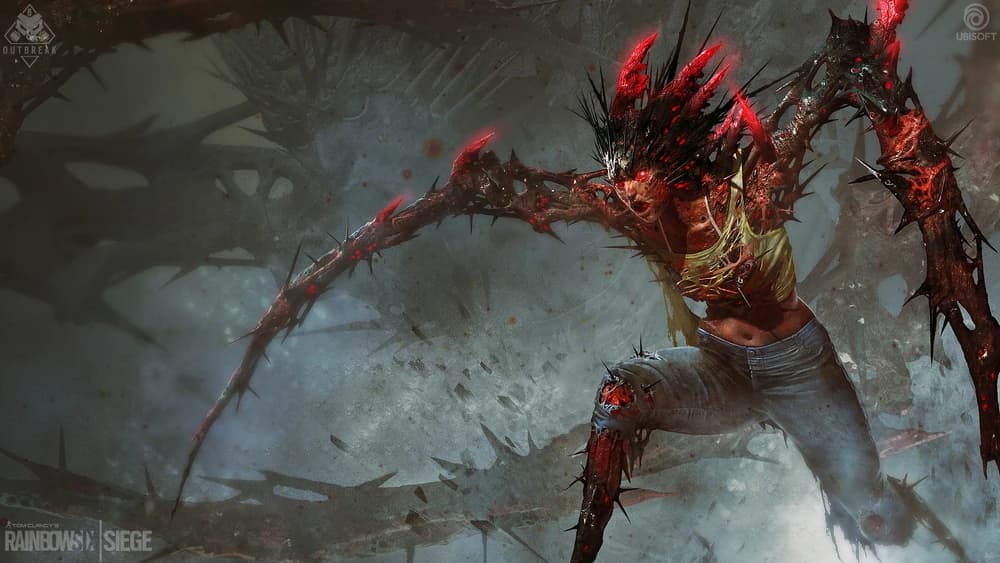
Outbreak Rooters teleport in and out of the battlefield. This makes tracking them difficult during fights. They launch coral spikes that trap players in place. These attacks create openings for other enemies to close in. When damaged, Rooters attempt to teleport away. Near death, they become more aggressive and dangerous.
Rooters in Rainbow Six Extraction
Tier and Patrol Behavior
In Rainbow Six Extraction, Rooters are Tier 2 enemies. They actively patrol zones instead of remaining stationary. They investigate noise immediately. Stealth failures often lead to quick engagement with a Rooter.
Tendril Attacks
Once alerted, Rooters fire tendril spikes along the ground. These tendrils damage and immobilize any player caught in their path. Trapped players become easy targets for surrounding enemies. Breaking free requires dealing damage to the Rooter.
Close-Range Defense
If a player gets too close, a Rooter strikes with its arms. This discourages reckless pushes. Stunning a Rooter opens it up to a takedown. This method remains effective across encounters.
Weak Points and Engagement Strategy
A Rooter’s weak point sits on its back. Carapace spikes protect the head and front.
This design forces flanking. Direct frontal attacks carry higher risk.
Team coordination improves success. One player can draw attention while another targets the weak point.
-
Weak points release trapped players when damaged
-
Stunning enables safe takedowns
-
Flanking reduces exposure to tendrils
Rooters and Mission Pressure
Rooters slow mission progress by forcing careful movement. Their presence raises the cost of mistakes. They pair well with other enemies. Immobilized players often face follow-up attacks from multiple directions. This design pushes teams to manage spacing and sound. Rushing through areas increases the chance of being rooted.
Rooters in REACT Studies and Challenges
Rooters play a key role in several REACT studies. These tasks focus on scanning, flanking, stunning, and eliminating Rooters. Some objectives require killing Rooters before they trap anyone. Others focus on striking weak points or avoiding contact. These challenges reinforce correct engagement habits. Players learn to control positioning rather than rely on damage output.
Achievements and Progression
Achievements tied to Rooters reward consistency and awareness. One challenge tracks kills without ever being trapped. Ubisoft Connect tasks also feature Rooter eliminations. These goals encourage repeated exposure and practice. Progression systems use Rooters to teach discipline. Success depends on timing and teamwork.

Tactical Impact of Rooters
Rooters shape encounters without dominating them alone. Their power lies in control rather than damage. They punish poor positioning. They reward coordination and awareness. Each Rooter encounter tests how well players manage space and threats at once.
Why Rooters Remain Relevant
Rooters continue to appear across missions because their role stays effective. Immobilization always creates risk.
Their design fits both early and advanced encounters. New players learn caution, while experienced teams refine coordination.
Rooters in Rainbow Six Siege reinforce a core lesson of the game: control matters as much as firepower. Learning to handle them prepares players for harder threats ahead.
Don't forget to check out Strafe Esports for all the latest news and our X account for the latest content and coverage.
Featured Image Credit: Rainbow Six Siege Fandom