
 en
en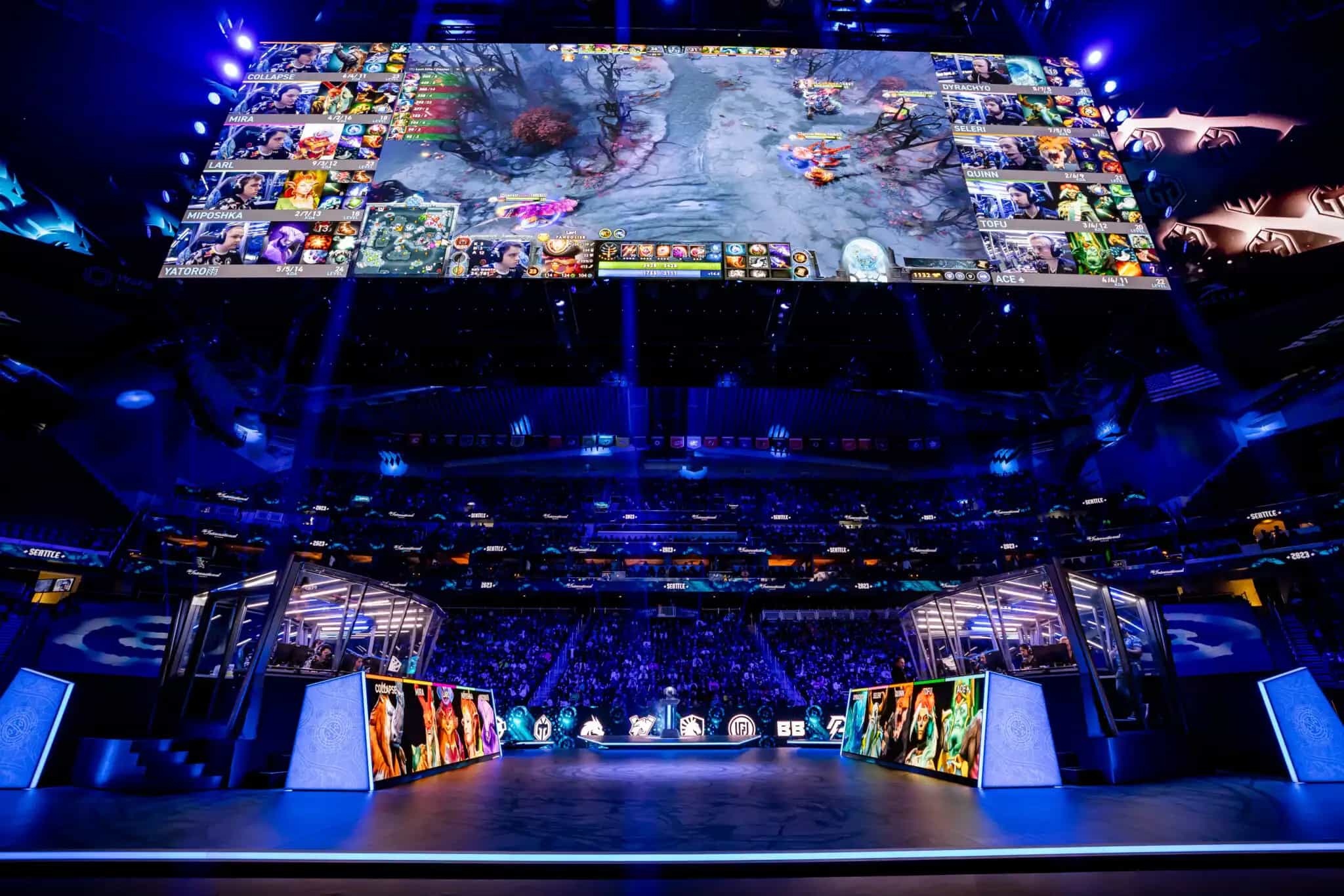
Evolution of Pro Dota 2: How it Became one of the Biggest Esports of All Time
Dota 2 stands as one of the most influential titles in esports history, evolving from a humble Warcraft III mod into a global phenomenon with record-breaking prize pools and millions of devoted fans. Its journey represents not just the growth of a single game, but mirrors the evolution of esports as a whole. This article explores how Dota 2 rose to prominence and maintained its status as an esports giant despite numerous challenges along the way.
The Origins of Dota
The roots of Dota 2 trace back to 2003 with "Defense of the Ancients" (DotA), a community-created mod for Blizzard Entertainment's Warcraft III: Reign of Chaos. Created initially by the pseudonymous designer "Eul," the mod underwent various iterations as different developers contributed to its evolution. The most successful version was DotA: Allstars, developed by Steve Feak, which gained tremendous popularity in the mid-2000s.
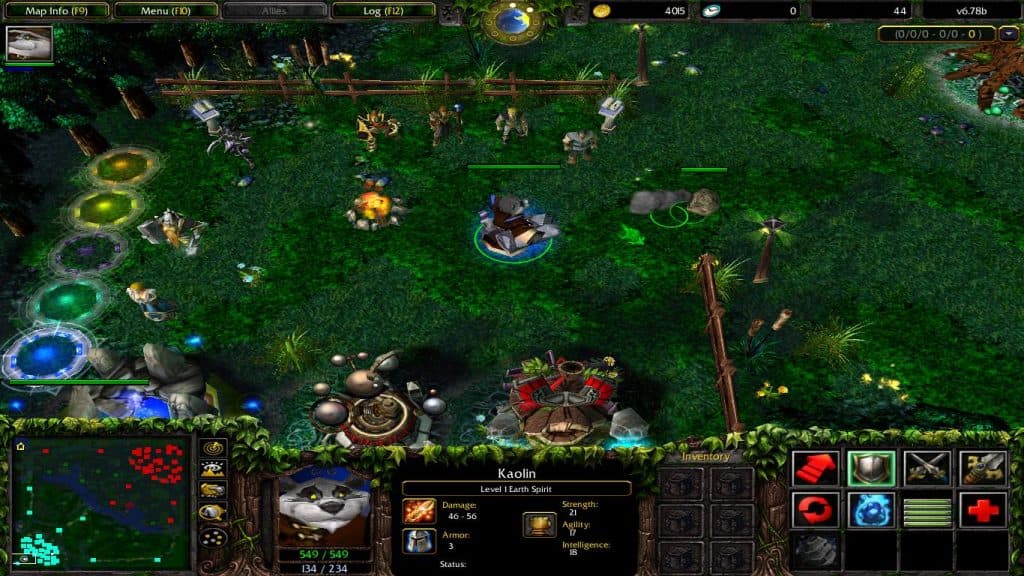
In 2005, a developer known as IceFrog took over as the lead designer of DotA: Allstars after Feak's departure. Under IceFrog's guidance, the mod refined its mechanics and balance, developing a dedicated following and informal competitive scene. By the late 2000s, Defense of the Ancients had become one of the most popular mods worldwide and began emerging as a prominent esports title despite lacking official infrastructure or publisher support.
From Mod to Standalone Game
Valve Corporation's interest in the Dota intellectual property began when several of their veteran employees, including Team Fortress 2 designer Robin Walker, became fans of the mod. Recognizing its potential, Valve hired IceFrog in 2009 to design a standalone sequel. Development of Dota 2 officially began that same year, with the goal of creating a modernized version of the mod using Valve's Source game engine.
Dota 2 was publicly unveiled at Gamescom in 2011, coinciding with the first International tournament. After an extended beta period, the game officially released in July 2013 for Windows, OS X, and Linux via Valve's Steam platform. Unlike many of its competitors, Dota 2 adopted a truly free-to-play model where all heroes and gameplay elements were available without purchase, with monetization coming solely through cosmetic items.
In 2015, Dota 2 was ported to the Source 2 engine, becoming the first game to utilize this upgraded technology. This transition brought improved performance, enhanced graphics, and added the "Arcade" feature that allowed for community-created game modes, further extending the game's longevity and appeal.
The International: Birth of a Mega Tournament
The most transformative element in Dota 2's rise to prominence was undoubtedly The International (TI), Valve's annual world championship tournament. The first iteration was held in Cologne, Germany during Gamescom 2011, featuring 16 invited teams competing for an unprecedented $1.6 million prize pool, with $1 million reserved for the champions.

The tournament served a dual purpose: showcasing Dota 2 to the world and establishing the game as a serious esports title from day one. Ukrainian team Natus Vincere (Na'Vi) claimed the inaugural championship, defeating Chinese team EHOME in the finals. The event's success helped legitimize esports at a time when million-dollar prize pools were unheard of.
The International's most revolutionary innovation came in 2013 with the introduction of the Compendium, an in-game battle pass that allowed players to contribute directly to the tournament's prize pool. A quarter of all Compendium revenue was added to the base prize pool, resulting in a total of $2.8 million—the largest in esports history at that time. This crowdfunding model would transform not just Dota 2, but influence prize pool structures across the entire esports industry.
By 2021, The International's prize pool reached an astonishing $40 million, making it by far the most lucrative tournament in esports history. The event has been held across multiple continents, including North America, Europe, and Asia, helping to globalize the Dota 2 competitive scene.
Evolution of the Competitive Structure
While The International remained the centerpiece of professional Dota 2, the competitive structure around it evolved significantly over the years. Initially, the scene consisted primarily of third-party tournaments of varying sizes, with The International being the only Valve-sponsored event.
In 2015, Valve introduced the Major Championship system, adding three additional premier tournaments throughout the year. This was further refined in 2017 with the introduction of the Dota Pro Circuit (DPC), a season-long series of Valve-sponsored Majors and Minors that awarded qualification points for The International.
The DPC underwent several iterations over its six-year lifespan, providing structure and stability to the competitive ecosystem. However, at the end of 2023, Valve announced the abolishment of the DPC system, returning to a more open circuit approach for 2024 and beyond. This created new challenges but also opportunities for tournament organizers like PGL, ESL, and BLAST to develop their own series of high-profile events.
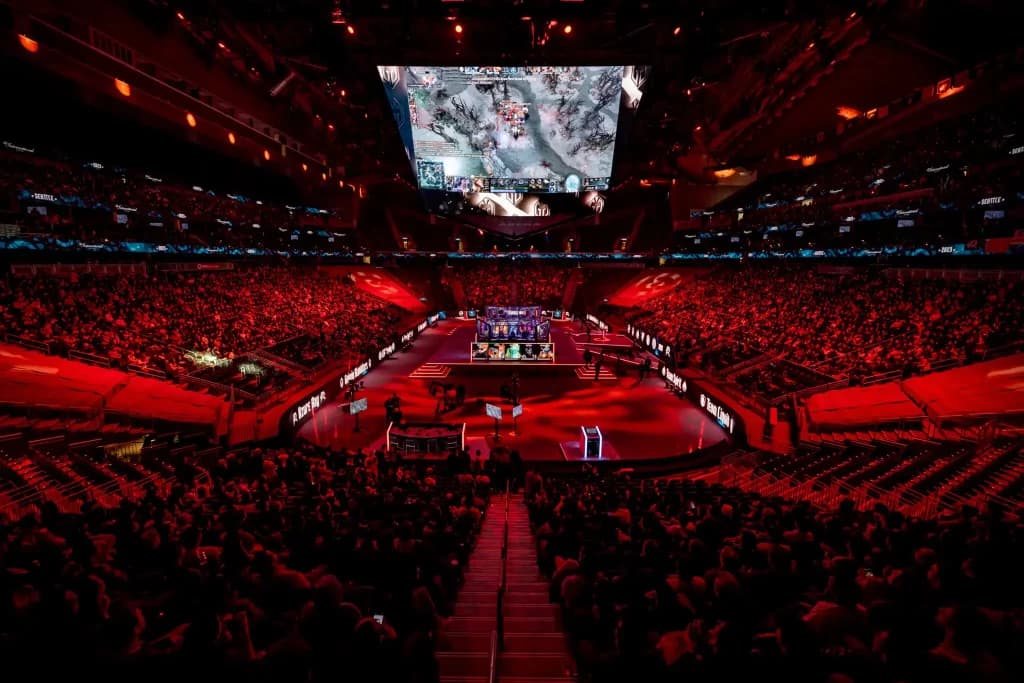
The competitive landscape in 2024 and 2025 shows resilience despite these changes, with an increase in the number of high-stakes tournaments. The competitive scene saw substantial growth in high-stakes tournaments, with events offering $1,000,000+ prize pools more than doubling from six in 2023 to thirteen in 2024, with at least fifteen such tournaments already scheduled for 2025.
Legendary Teams and Players
Throughout its history, Dota 2 has produced some of esports' most iconic teams and players. Natus Vincere (Na'Vi), led by charismatic mid-player Danil "Dendi" Ishutin, dominated the early years of Dota 2, reaching the grand finals of the first three Internationals and winning the inaugural event. Their aggressive playstyle and fan-friendly personalities helped establish Dota 2's early popularity.
Alliance's perfect run through The International 2013 showcased the pinnacle of strategic gameplay, while Newbee's victory at TI4 established China's presence as a dominant region. Evil Geniuses brought the Aegis trophy to North America in 2015, with Sumail "SumaiL" Hassan becoming the youngest TI champion at just 16 years old.
OG's back-to-back championships in 2018 and 2019 created the first Dota 2 dynasty, with their unprecedented success cementing them among the greatest teams in esports history. More recently, Team Spirit has established their own legacy by winning two championships (TI10 in 2021 and TI12 in 2023), matching OG's achievement.
These teams and their star players have created countless memorable moments, from Dendi's "million-dollar Dream Coil" at TI3 to Universe's "six-million-dollar Echo Slam" at TI5. Such moments have become part of esports folklore, contributing to Dota 2's rich competitive heritage.
Prize Pools and Crowdfunding Revolution
Dota 2's most distinguishing feature in the esports landscape has been its unprecedented prize pools, particularly for The International. The introduction of the crowdfunding model in 2013 revolutionized how esports events could be financially supported, with the community directly contributing to the tournaments they loved.
The prize pool for The International grew exponentially year after year:
- TI1 (2011): $1.6 million
- TI2 (2012): $1.6 million
- TI3 (2013): $2.87 million
- TI4 (2014): $10.92 million
- TI5 (2015): $18.43 million
- TI6 (2016): $20.77 million
- TI7 (2017): $24.79 million
- TI8 (2018): $25.53 million
- TI9 (2019): $34.33 million
- TI10 (2021): $40.02 million
This growth made Dota 2 players among the highest-earning esports professionals in the world, with multiple players earning over $3 million from tournament winnings alone. While recent years have seen a decline in The International's prize pool (TI11 in 2022: $18.93 million, TI12 in 2023: $3.14 million, TI13 in 2024: $2.60 million), Dota 2 remains one of the highest-paying esports overall due to the proliferation of other high-prize tournaments.
Technical Evolution and Gameplay Changes
Over its lifetime, Dota 2 has undergone significant technical and gameplay evolutions. The game's transition from the original Source engine to Source 2 in 2015 marked a major milestone, bringing improved performance, enhanced graphics, and better developer tools for creating custom content.
The visual aspects of Dota 2 have continuously improved, with updates to character models, environments, particle effects, and the user interface. These improvements have maintained the game's visual appeal despite its aging core gameplay concept.
Gameplay-wise, Dota 2 has received regular updates that have introduced new heroes, items, mechanics, and map changes. The hero pool has expanded from the original set to 126 unique characters as of 2024, each with distinct abilities and playstyles. Major gameplay patches often dramatically shift the competitive meta, keeping the game fresh for both players and spectators.
The addition of features like seasonal events, custom game modes, and the Arcade has provided variety beyond the standard 5v5 match format. Some community-created modes, such as Dota Auto Chess, have even spawned entirely new game genres and standalone titles.
The Future of Dota 2 Esports
Looking toward the future, Dota 2 esports shows signs of continued evolution and adaptation. The expanded tournament landscape for 2025 includes at least 14 S-Tier events already confirmed, including The International, Riyadh Masters as part of the Esports World Cup, and multiple DreamLeague seasons.
Regional growth in areas like South Asia, the Middle East and North Africa (MENA), and Eastern Europe presents opportunities to develop new talent pools and fan bases. Technological integration, including AI-driven training tools and enhanced spectator experiences through AR/VR, may help modernize how the game is played and viewed.
The introduction of new heroes, game modes, and substantial gameplay changes will likely continue, keeping the game fresh for veteran players while potentially attracting new ones. Many in the community hope for improvements in new player onboarding and educational resources to help address the game's notorious learning curve.
Despite facing competition from newer titles and the challenges of an aging game, Dota 2's deep strategic complexity, passionate community, and rich competitive history position it to remain a cornerstone of the esports landscape for years to come. While it may never again reach the peak viewership or prize pools of its golden era, Dota 2 has demonstrated a remarkable ability to adapt and endure in an increasingly crowded esports market.
The story of Dota 2's growth from mod to esports giant reflects the broader evolution of competitive gaming, and its continued presence serves as testament to the enduring appeal of deep, complex competitive experiences in the fast-changing world of digital entertainment.
Follow Strafe Esports for all the latest Dota 2 news and our X account for the latest content and coverages. Also, stay tuned to Strafe YouTube for exclusive interviews, press conferences, and more.
Featured image credits: Dave Conger / Climate Pledge Arena