
 en
en
Dota 2 Skins Guide: Buy, Trade, Rarity, Shards
Dota 2 Skins Guide
Dota 2 skins (also known as Dota 2 cosmetics) are items that change how heroes, couriers, wards and UI elements look and sound. They are purely cosmetic and give no gameplay advantage, but they play a huge role in personalization, collection value and trading.
In this guide, you’ll learn where to get Dota 2 skins (Dota 2 Store, Steam Market, Shard Shop, treasures, drops), how rarity tiers and cosmetic qualities work, how to buy/sell or trade Dota 2 items safely and what makes Arcana and Persona cosmetics special.
What Dota 2 skins are (and aren’t)
Dota 2 cosmetics are purely cosmetic items that modify visuals, animations, models, sounds, or UI elements, but they do not change stats, abilities, or mechanics. Whether you’re using a Common set or an Arcana, every hero performs exactly the same during gameplay. In-game, Dota 2 cosmetics broadly fall into three categories inside the armory: Hero, World and Interface.
Loadout and visual effects
Among the most common Dota 2 skins we have:
- Hero sets and individual item slots (weapon, head, armor, back, taunt);
- Custom ability or particle effects (usually attached to Immortal or Arcana items);
- Animations and hero ability styles;
- Voice lines or announcer packs (rare, sometimes event-related).
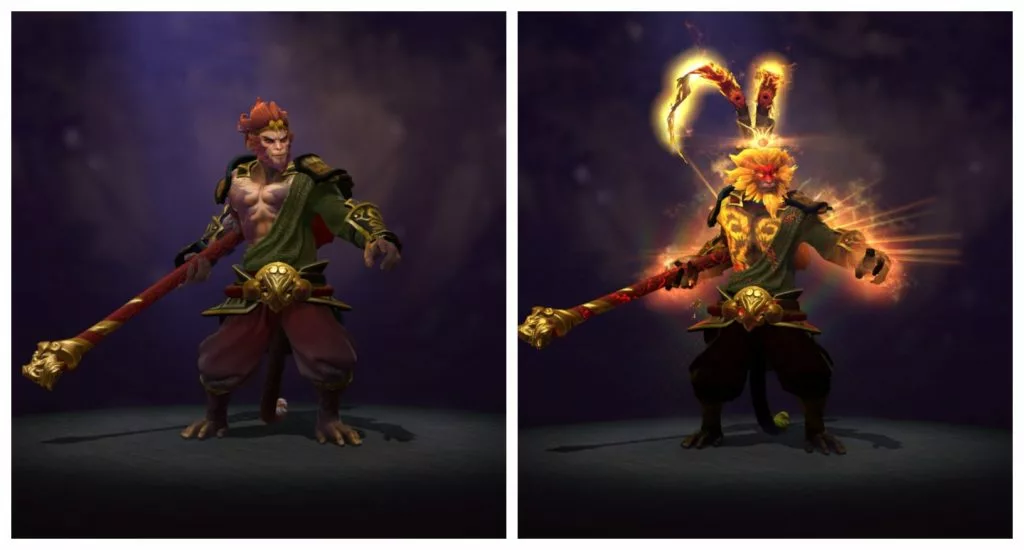
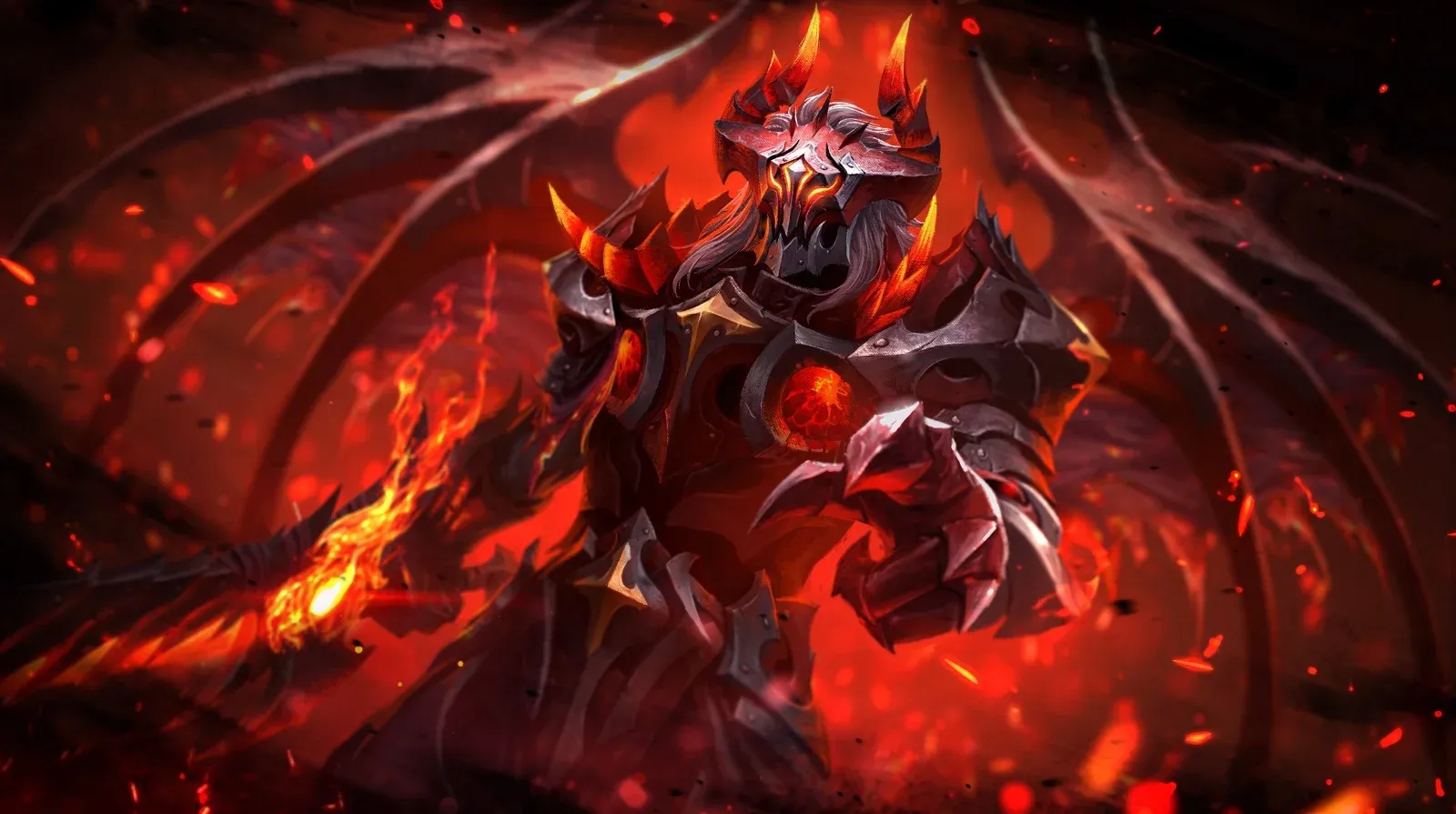
Some high-end items, especially Arcana or Immortal Dota 2 skins, add special visual upgrades such as kill effects, change ability icons and effects or custom attack animations. Despite significantly altering the hero's look and even attack animations, the attack time remains the same, there is no gameplay advantage whatsoever in using them.
World and interface cosmetics
Some cosmetics affect what you see around the battlefield, the user interface during matches and the game music instead of how your hero looks directly:
- Wards and couriers;
- Loading screens and HUD skins;
- Emoticons and sprays;
- Weather effects, terrains and music packs.
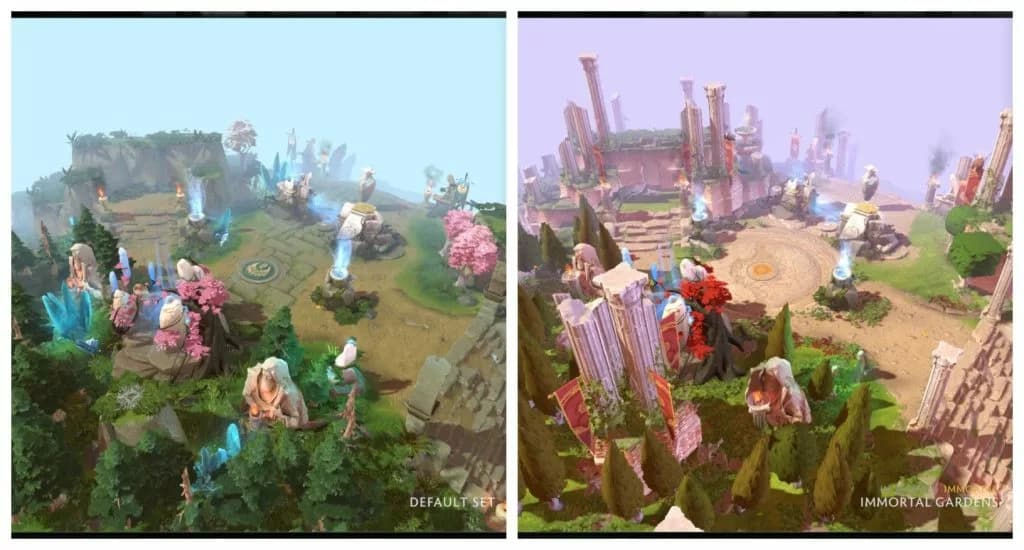
Despite the deeper sense of change in world cosmetics, they still remain purely cosmetic and provide no gameplay advantage despite changing how the game looks and feels.
Event and tournament items
Certain cosmetics are tied to seasonal events, battle passes, or tournaments. While some of these items later end up getting listed in the Steam Market or become tradeable, others remain permanently exclusive and are rarely brought back by Valve. These items may be included in:
- Seasonal treasures (usually a Collector's Cache with workshop items voted by the community);
- Battle Passes (mostly older items or stickers, loading screens and chat wheel customizations after Valve stopped adding hero cosmetics to compendiums);
- Event-exclusive Immortals;
- Limited-edition (e.g. partnership with talent/team/event).
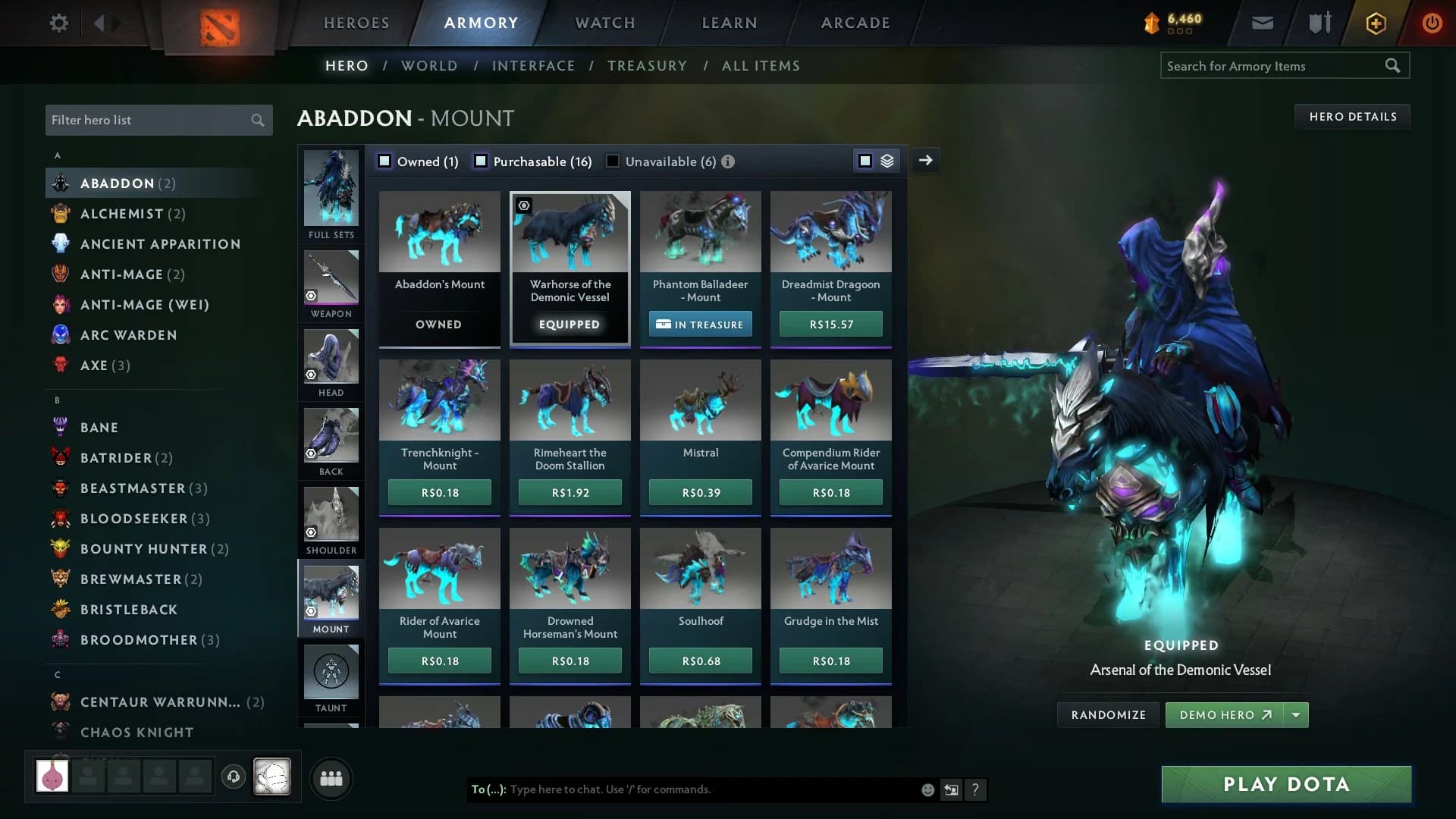
Where to get Dota 2 skins (all acquisition sources)
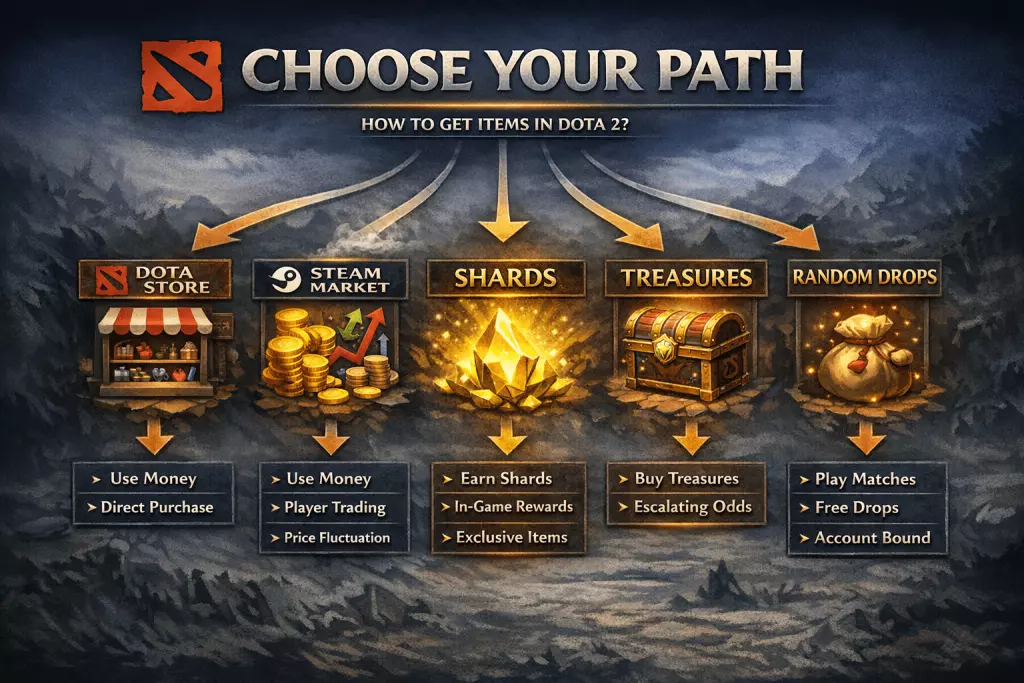
Players can obtain Dota 2 skins through multiple channels, each with different costs, tradability rules and availability. The main methods are the in-game Store, the Steam Market, the Shard Shop, opening treasures and random drops/events.
Store vs Steam Market (direct purchase vs listings)
The in-game Store sells curated bundles, chests and selected cosmetics such as most Arcanas at fixed prices with no additional fees you find in the Steam Market. Purchases here are instant but often not tradable immediately or may be permanently non-marketable.
The Steam Market, on the other hand, lets players buy and sell items through player-driven listings. Prices fluctuate based on supply and demand and purchases include small platform fees (5% fixed Steam fee and 10% game fee for Dota 2). Check the table below for the typical differences between each source for Dota 2 skins:
| Source | How It Works | Cost / Fees | Tradability | Exclusivity |
|---|---|---|---|---|
| In-Game Store | Buy bundles, sets and treasures directly from Valve at fixed prices. | Fixed price; no market fees. | Some items are non-tradable or have delayed tradability. | Might include limited or event-exclusive items. |
| Steam Market | Player-to-player listings where prices fluctuate based on supply and demand. | Market fees apply to each sale. (5% Steam fee + 10% Dota fee) | Items are usually tradable and marketable (subject to restrictions). | Availability depends on circulation and listing activity. |
| Shard Shop | Redeem shards earned via gameplay or Dota Plus for selected cosmetics. | No real-money cost; spend shards. | Usually non-marketable and non-tradable. | Some items are Shard Shop-exclusive or rotate periodically. |
| Treasures | Open chests for random cosmetic rewards from a curated drop pool. | Treasure purchase price (usually $2.50USD); escalating odds for rare rewards. Some demand keys. | Tradability varies by event and item rules. | Frequently tied to seasonal or event content. |
| Drops / Events | Occasional rewards tied to ranked matches, events, leveling, or promotions. | Free rewards when available. | Commonly untradeable, non-marketable or restricted. | Available year-round if ranked drops. Usually rare or time-limited if event related. |
Shard Shop exclusives and Dota Plus
The Shard Shop allows players to spend shards, a currency earned via weekly challenges, hero challenges, guild quests and Dota Plus quests. Items in this shop include:
- Premium and legacy hero sets;
- Kill streak effects;
- Item customization tools;
- Hero relics;
- Chat wheel sound effects.
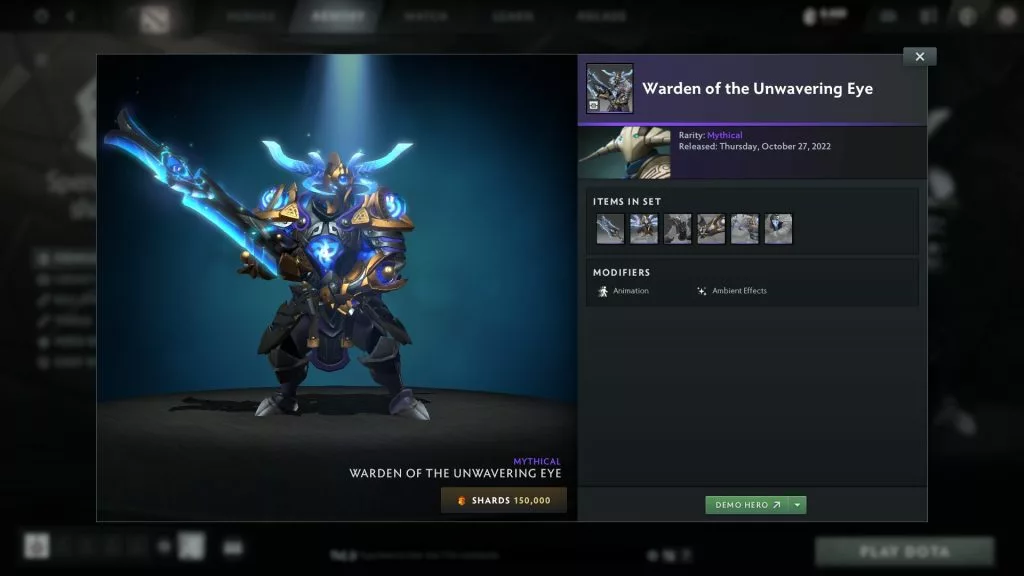
Treasures and event drops
Opening treasures grants a random cosmetic from a curated pool. Higher rarity outcomes are less common and treasures include escalating odds for rare drops. Occasionally, events also reward cosmetic drops, though this is less frequent than in earlier years.
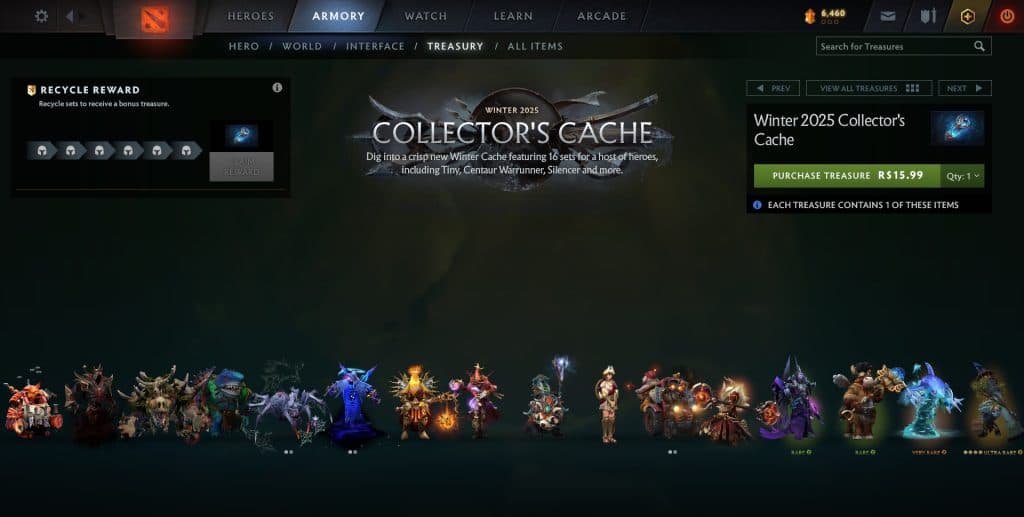
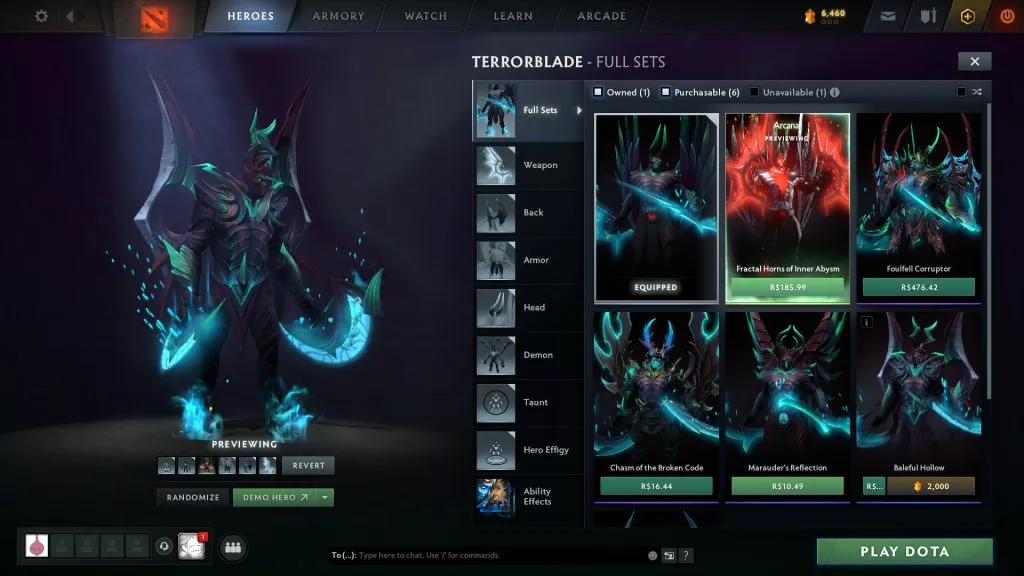
Some treasures have another mechanic such as the Collector's Cache demonstrated above where you can recycle six unwanted or duplicated drops to get a new treasure free of charge.
Rarity tiers and cosmetic qualities explained
Dota 2 skins are organized into rarity tiers, which help indicate desirability, visual complexity and typical price expectations:
Common → Uncommon → Rare → Mythical → Legendary → Immortal → Arcana
Personas are treated as a special category parallel to Arcana rather than part of the rarity chart. The typical rarity characteristics are as f0llows:
| Rarity | Typical Features | Notes |
|---|---|---|
| Common | Simple visual variants | Widely available |
| Uncommon | Minor appearance changes | Often slightly rarer |
| Rare | Distinct models & themes | Usually found in treasures |
| Mythical | Enhanced models & effects | More desirable and limited |
| Legendary | Major model changes | Prestige-tier cosmetics |
| Immortal | Custom visual or particle effects | Often tied to events or chests |
| Arcana | Deep customization, effects & UI | Premium / high-value items |
From Common to Arcana (what changes)
As rarity increases, items typically gain the following characteristics cumulatively:
- More complex models & textures;
- Unique animations and sounds;
- Custom ability effects;
- Prestige and collector value.
Arcana cosmetics sit at the top of visual customization and as a result of their accumulated set of characteristic changes in a hero, they usually redefine completely how a hero looks.
Personas vs Arcanas vs Immortals
- Personas = Full alternate hero identity/model;
- Arcanas = Deep cosmetic overhaul with effects/UI;
- Immortals = Signature item pieces with custom effects.
| Type | Customization | Availability | Typical Price | Tradability |
|---|---|---|---|---|
| Arcana | Highest level of customization without replacing hero model: unique hero model elements, custom ability effects, animations, icons, kill effects, and themed UI or HUD elements. Often includes unlockable styles. | Released individually or through major events / bundles. Older ones are purchasable, some are unavailable in the Dota 2 Shop. | Premium pricing tier; generally more expensive than Immortals. | Often marketable / tradable depending on how it was obtained (event rewards may have restrictions). |
| Persona | Full hero model replacement with new animations, poses, voice direction, and identity theme. Changes the character visually more than a standard skin. | Typically tied to battle passes or special releases. Some may return as part of a new Dota 2 cosmetic. | High-value content tier; Usually not available on the steam market or Dota 2 Shop. | Frequently non-tradable and non-marketable. |
| Immortal | Individual cosmetic pieces with unique ability effect or particle effects. Less extensive than Arcana or Persona but still visually distinct. | Commonly released through limited-time treasures or events. Some rotate into the Market after events end and cooldown timers end. | Wide price range depending on rarity and demand; generally more affordable than Arcana and Personas. | Usually tradable and marketable after event cooldowns or lock periods. |
Each category carries different availability and trading characteristics with immortals being more common since they usually are present in events while arcana and persona releases depend of Valve's planning and did not happen since the release of the Phantom Assassin Persona in 2022.
Qualities and gems (Inscribed/Genuine)
Beyond rarity tiers, Dota 2 skins may also have a cosmetic quality property which adds a new name before the item's original name and a new item color according to the table below:
| Quality | Color | Description | Origin / Notes | Tradable? |
|---|---|---|---|---|
| Normal | #B2B2B2 | Default item quality | Standard drops or purchases | Yes |
| Genuine | #4D7455 | Promotional / bonus items | Store bundles or events | Yes |
| Elder | #476291 | Legacy / vintage style quality | Older promotional origins | Yes |
| Unusual | #8650AC | Special particle or visual effects | Often couriers or rare drops | Yes |
| Self-Made | #70B04A | Awarded to Workshop creators | Not distributed publicly | No |
| Inscribed | #CF6A32 | Tracks in-game stats via gems | Treasure / gem-socketed | Yes |
| Cursed | #8650AC | Event-commemorative quality | Diretide 2013 | Yes |
| Heroic | #8650AC | Associated with pro-match records | Spectator-linked drops | Yes |
| Favored | #FFFF00 | Granted to selected pro players | The International fan voting | No |
| Ascendant | #EB4B4B | Enhanced via Ascendant gem | Gem-modified items | No |
| Autographed | #ADE55C | Signed with Autograph rune | Player / caster signature | Yes |
| Legacy | #FFFFFF | Early unique item color quality | Very limited distribution | Yes |
| Exalted | #CCCCCC | First-edition purchase version | Bought near release window | Yes |
| Frozen | #4682B4 | Frostivus event commemorative | Frostivus 2013 | Yes |
| Corrupted | #A52A2A | Event-linked quality variant | Frostivus 2013 | Yes |
| Auspicious | #32CD32 | New Bloom commemorative | New Bloom 2014 | Yes |
| Infused | #8847FF | Contains ambient / infused effects | Created using Infusers | Yes |
Finally, gems can modify properties, track stats, or alter appearance without changing gameplay. Adding a gem to an item transforms a common item in an Inscribed item. Qualities have priorities so getting an Inscribed item and adding an autograph rune will change the item's quality to Autographed but adding a gem to an Autographed item will not change it to an Inscribed item. The cosmetic quality priority order is as follows (the lower the number the higher the priority):
- Normal (7)
- Inscribed (6)
- Ascendant (5)
- Autographed (4)
- Corrupted (3)
- Unusual (2)
- Genuine, Elder, Self-Made, Exalted, Heroic, Auspicious, Frozen, Corrupted, Infused, Legacy and Favored (1)
How to buy, sell and trade on the Steam Market
The Steam Market is the main platform to buy, sell and trade Dota 2 items securely, but it comes with fees and restrictions, trade locks and security rules put in place to keep your steam account and your items safe.
List and buy items (step-by-step)
To list an item:
- Open your Steam Inventory;
- Select the cosmetic;
- Click the green sell button;
- Set price and agree to the terms of the Steam Subscriber Agreement;
- Confirm via Steam Mobile App.
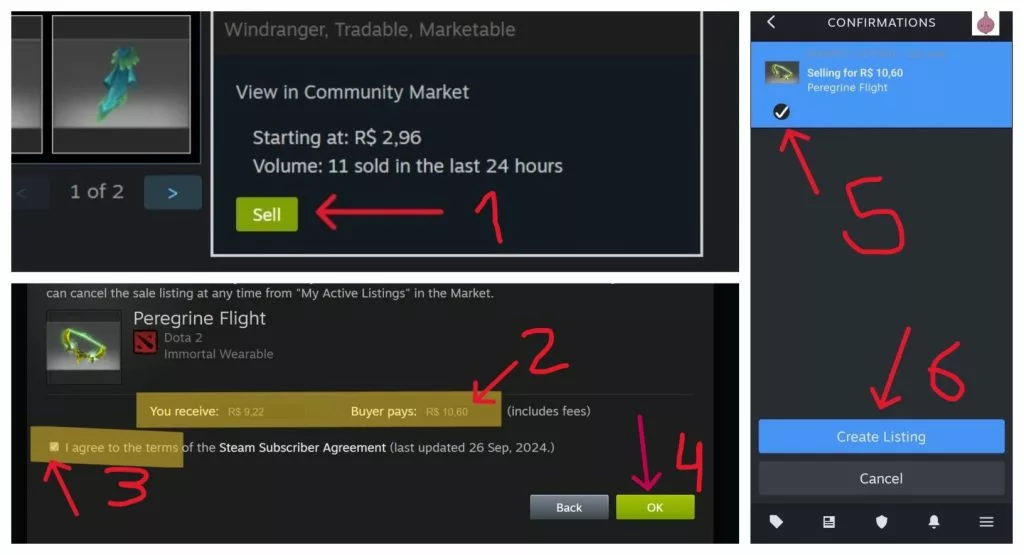
To buy:
- Search the item on the Steam Market;
- Review listings and price history;
- Click Buy, confirm and receive the item instantly (unless locked).
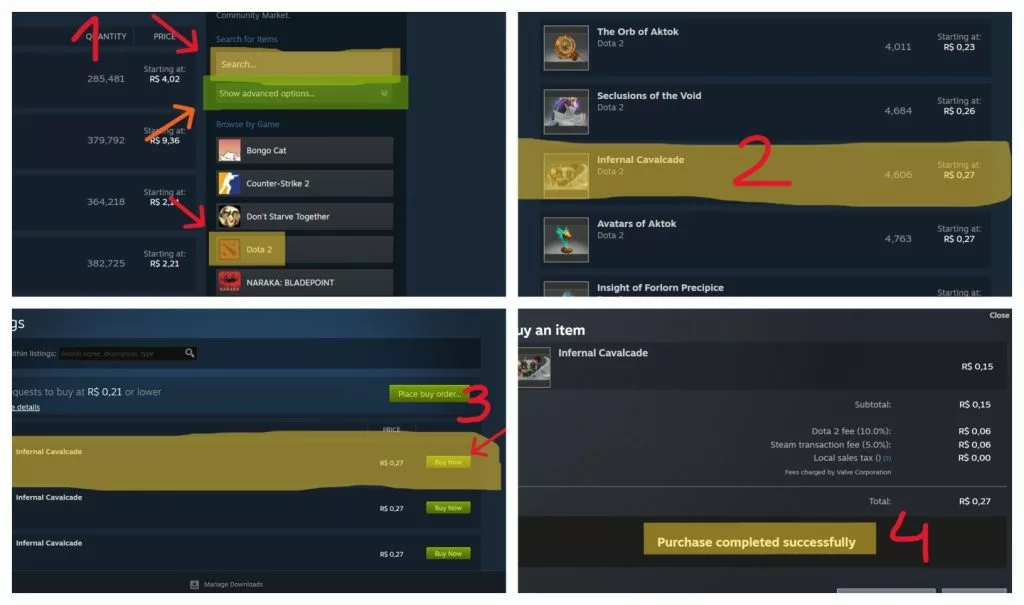
Send and accept trade offers
Players can also trade Dota 2 items directly between themselves to either swap items or gift items by trading and item for nothing. If you want to use the trade system do follow these instructions:
- Open a friend profile or trade URL;
- Choose items on both sides (only one side if gifting);
- Send offer and confirm on Steam Mobile App.
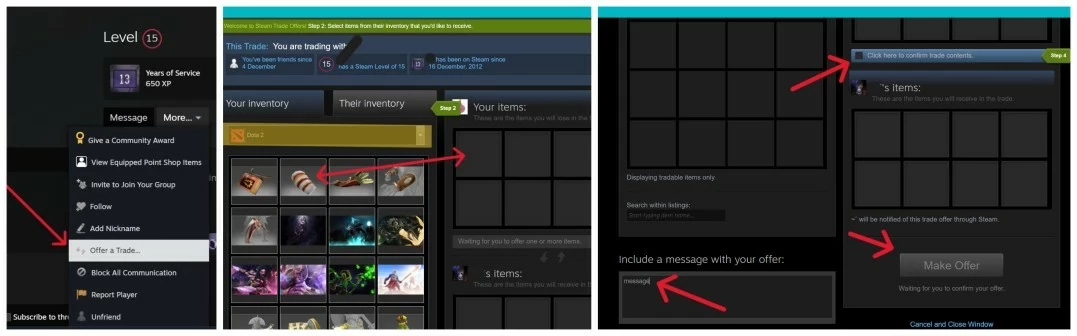
Direct trades are common for collectors or high-value skins and Steam has a trade protection policy that allows either side of the deal to revert the trade for up to 7 days after trading to avoid scams. You can check all the details concerning Steam Market and Steam Trade on the following official Valve pages:
- Steam Trade and Market Holds
- Trading and Market Restrictions
- Limited User Accounts
- Steam Trade Offers
- Steam Trading
Fees, locks and safety (2FA, verify offers)
Steam has a variety of fees and restrictions to increase user safety within the bounds of it's ecosystem. Concerning the Steam Market, these measures include:
- Steam and developer fees on Market sales (5% Steam + 10% for Dota 2);
- Trade/Market cooldowns for some items (e.g. 1 year market cooldown for Crownfall treasures counting from the start of the event. 1 week trade cooldown for items bought in the Steam Market, etc);
- Account-based security delays (15 day trade/market hold if removing or adding two factor authentication).
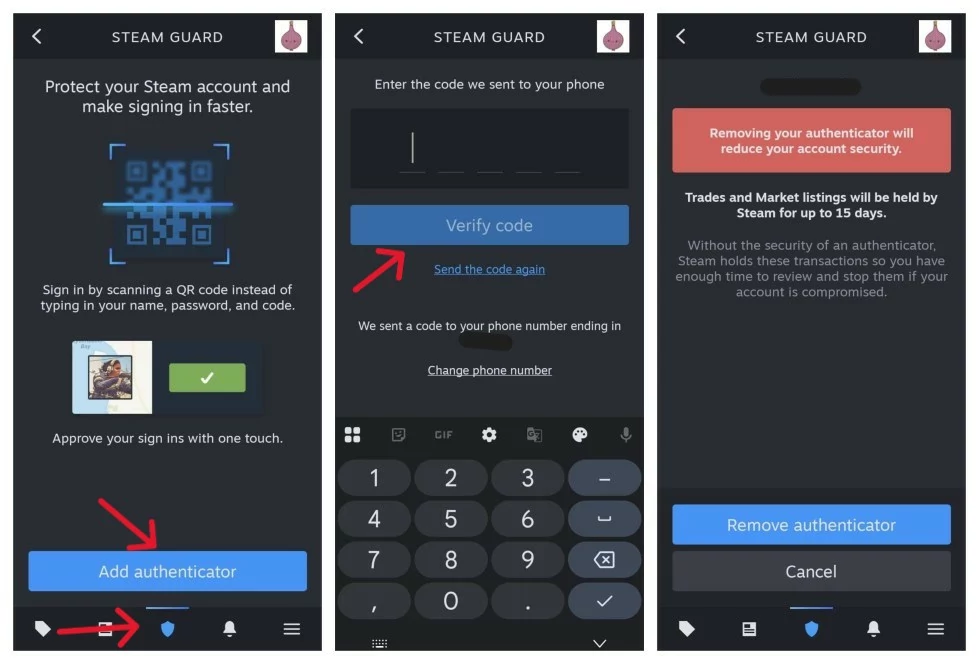
Good practices that preserve trading safety include:
- Enabling Steam Guard Mobile 2FA on the Steam Mobile App;
- Double-checking item names and qualities (some people change the name of cheap items to mislead buyers and sell them for a higher price);
- Avoid third-party trade links;
- Never confirm trades outside Steam UI.
Shard Shop and Dota Plus cosmetics
The Shard Shop uses shards earned through gameplay challenges and Dota Plus progression. Summarizing what we mentioned before, players can redeem shards for:
- Premium and legacy hero sets;
- Kill streak effects;
- Item customization tools;
- Hero relics;
- Chat wheel sound effects.
Earning shards and redeeming
There are four ways to get shards to spend in the Shard Shop and one of them is exclusive to Dota Plus subscribers:
- Weekly challenges;
- Hero challenges;
- Guild quests;
- Dota Plus quests.
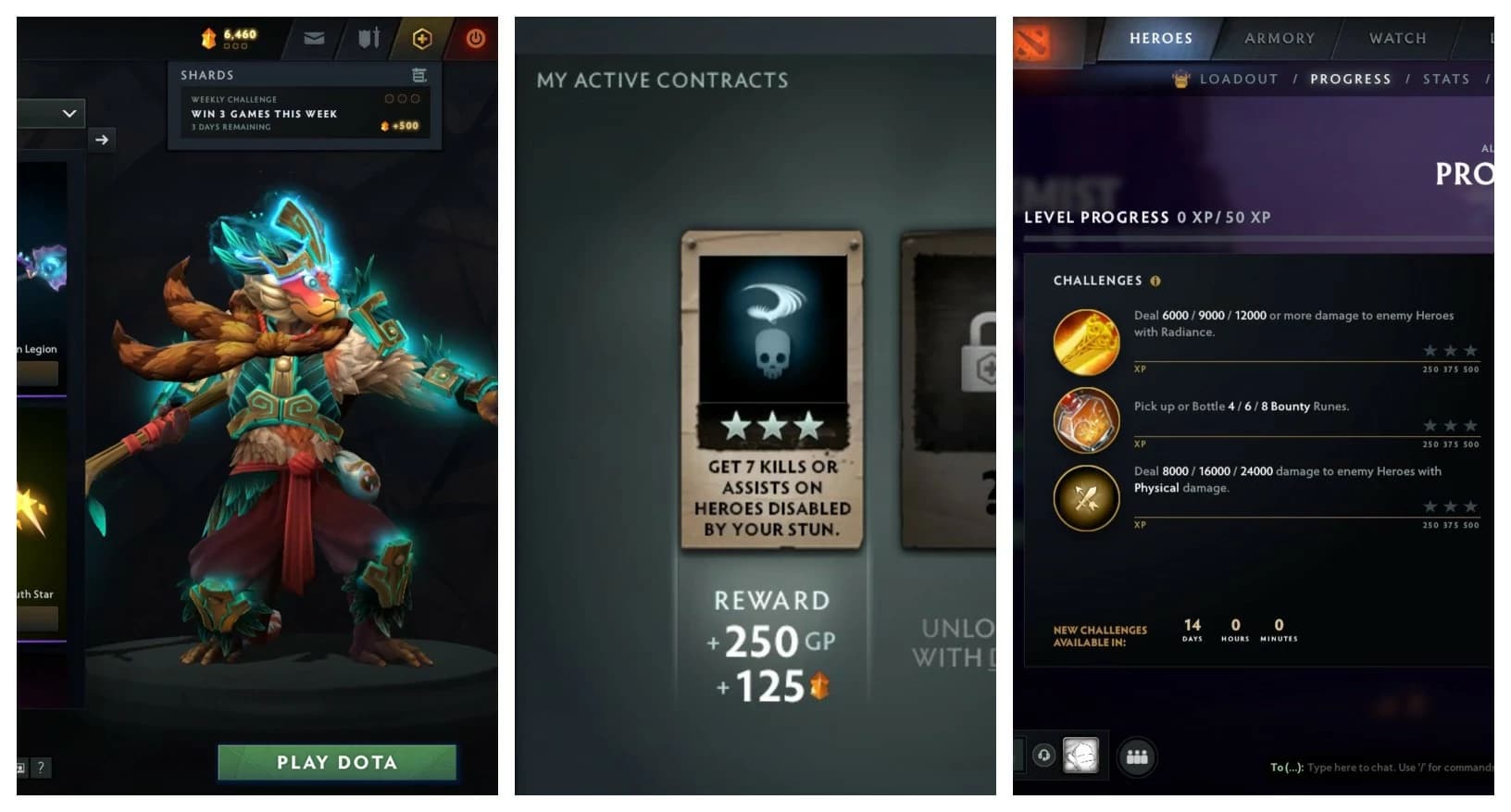
Shard-only exclusives
Only legacy sets are non-exclusive to the shard shop and might have similar skins available on the Steam Market. The remaining items are Shard Shop exclusives and among them the Chat Wheel Sounds are the most exclusive, demanding an active Dota Plus subscription to be bought and to remain functional.
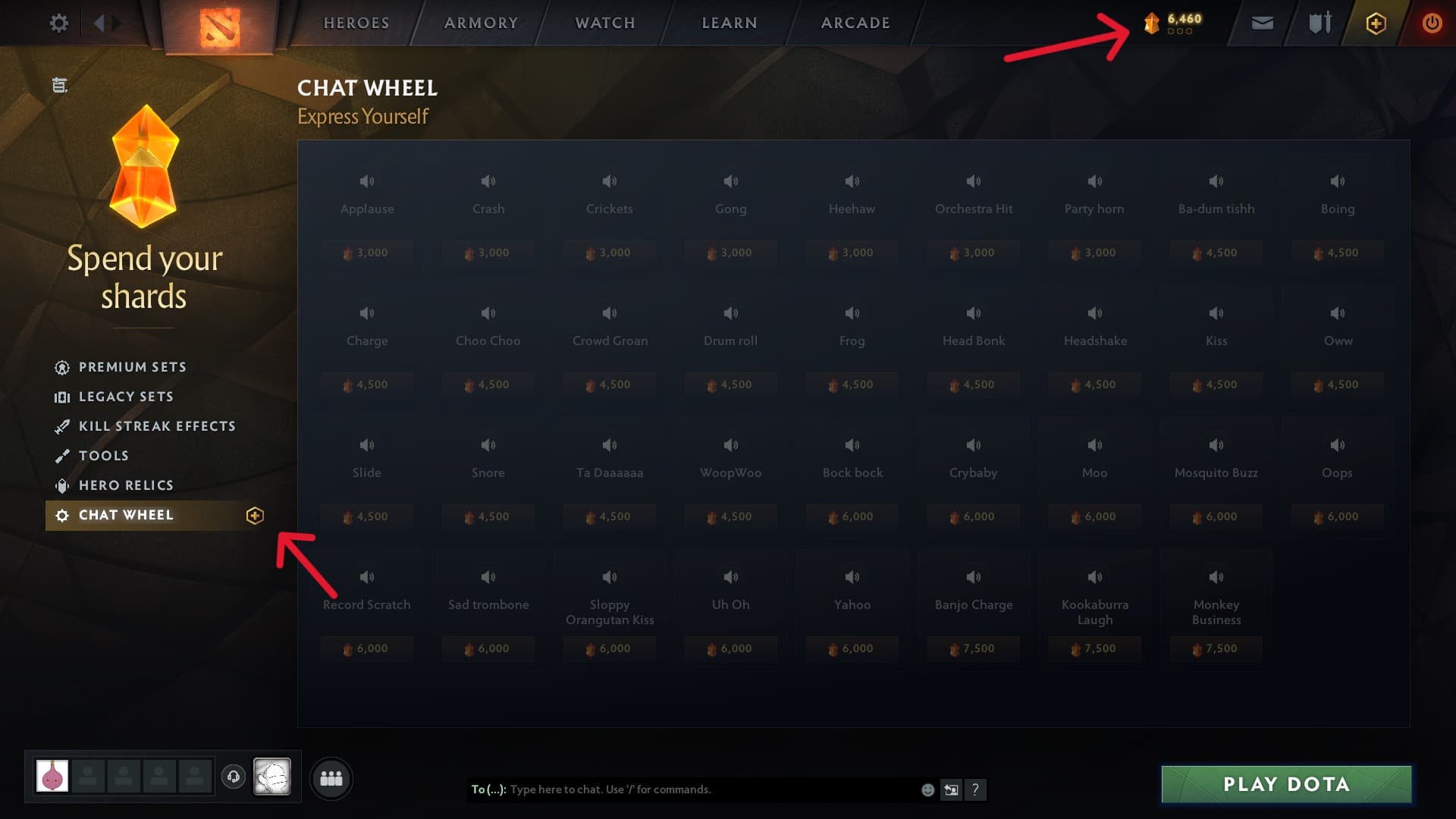
Availability changes
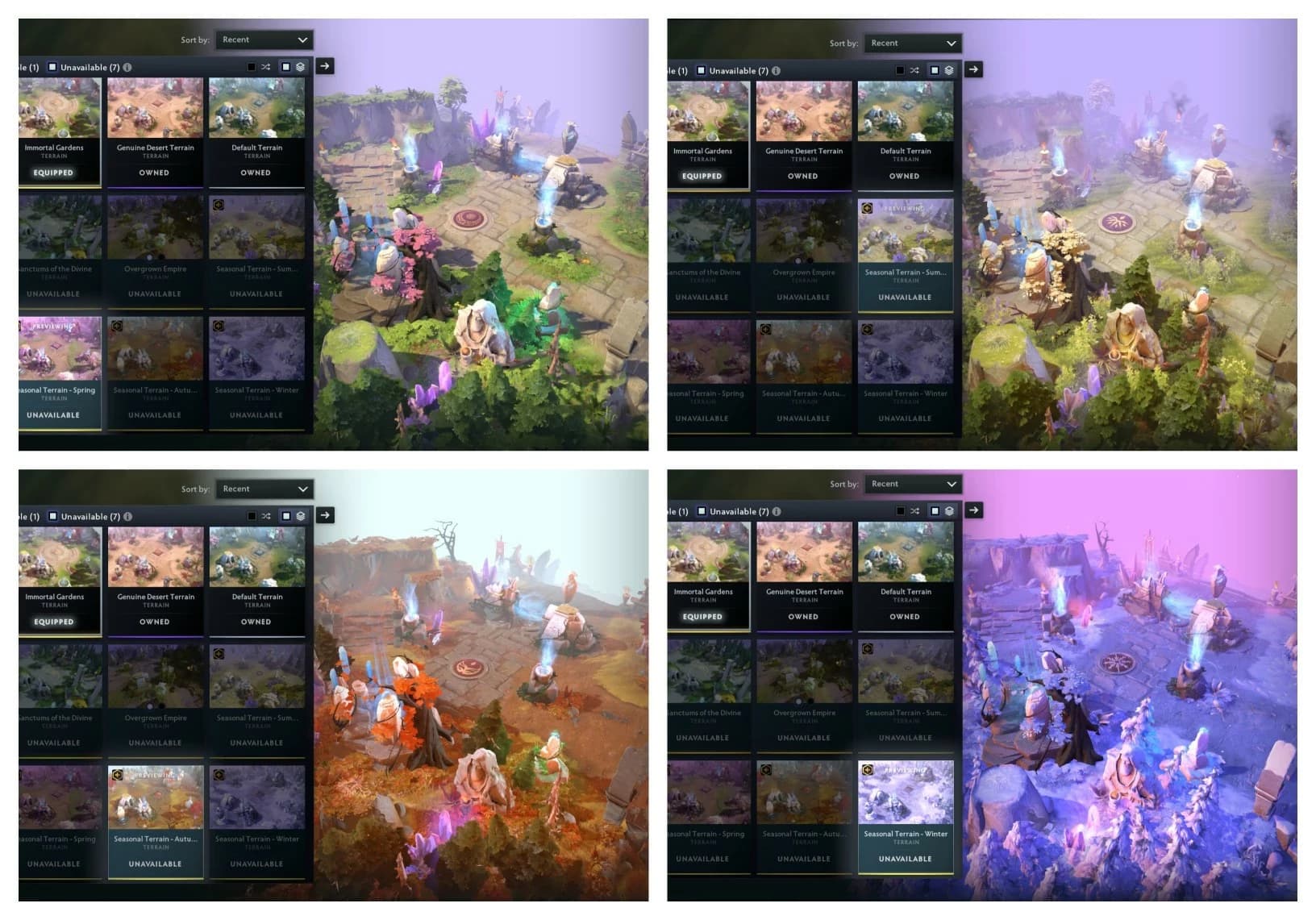
The Shop rotates it's inventory seasonally, meaning some cosmetics return while others disappear for a period. Seasonal terrains have a rotation where they are available for four months at a time starting at March 1 and the Shard Shop rotation follows loosely this same calendar:
- Spring: March 1 – June 1
- Summer: June 1 – September 1
- Autumn: September 1 – December 1
- Winter: December 1 – March 1
Summary: Where can I get cosmetics?
Arcana and Persona skins: what to know
Arcana and Persona are the Dota 2 skins that represent the highest-profile, offering major artistic and thematic upgrades. Oldest arcanas can be bought directly from Valve using the in-game Dota 2 store free of fees and restrictions but newer Arcanas and Personas are unavailable apart from selected hero cosmetics available in treasures.
What makes an Arcana special
Arcanas are special because until the creation of Personas, they were the most drastic transformation you could make to heroes and typically include:
- Custom hero model elements;
- Ability effects and animations;
- Special HUD and icon themes;
- Achievement-based style unlocks (in selected Arcanas).
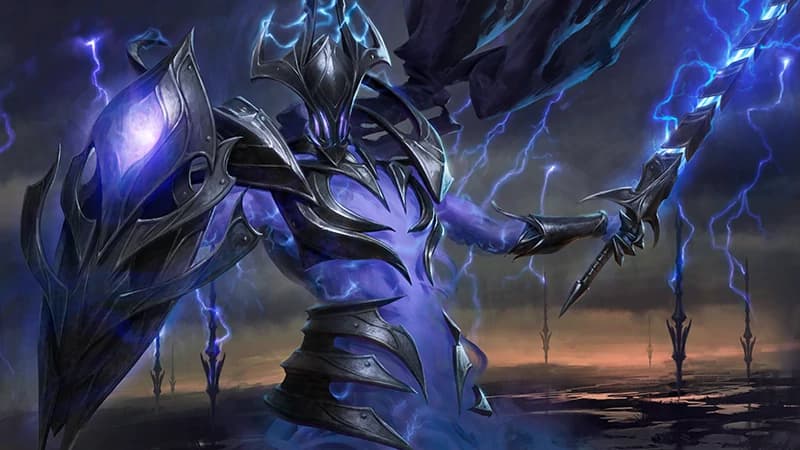
They are among the most expensive and coveted cosmetic types and on top of that, not all heroes have the privilege of wearing an arcana. There are only 22 arcanas released so far and Dota 2 has 127 heroes after the release of Largo in December 2025.
Personas and full-model swaps
Personas are Dota 2 skins that completely change the hero’s identity and body model. They are a more recent invention but share similar prestige to Arcanas. On the other hand, until Valve decided adding Personas as additional rewards to specific hero sets in treasures, the only way to get them was spending money on the now discontinued Battle Pass.
The only two heroes that have both an Arcana and a Persona so far are Crystal Maiden and Phantom Assassin. Persona's main alterations in hero characteristics include:
- New animations;
- New voice direction;
- Unique thematic reinterpretation.
Immortal vs Arcana value
Immortal items are valuable, especially due to their seasonal or event-bound nature. While Arcana and Persona skins generally sit at the top in terms of prestige and player interest, there are several immortal items that got a lot more expensive than arcanas. If we talk strictly about real money cost, there are immortals placing higher than arcanas.
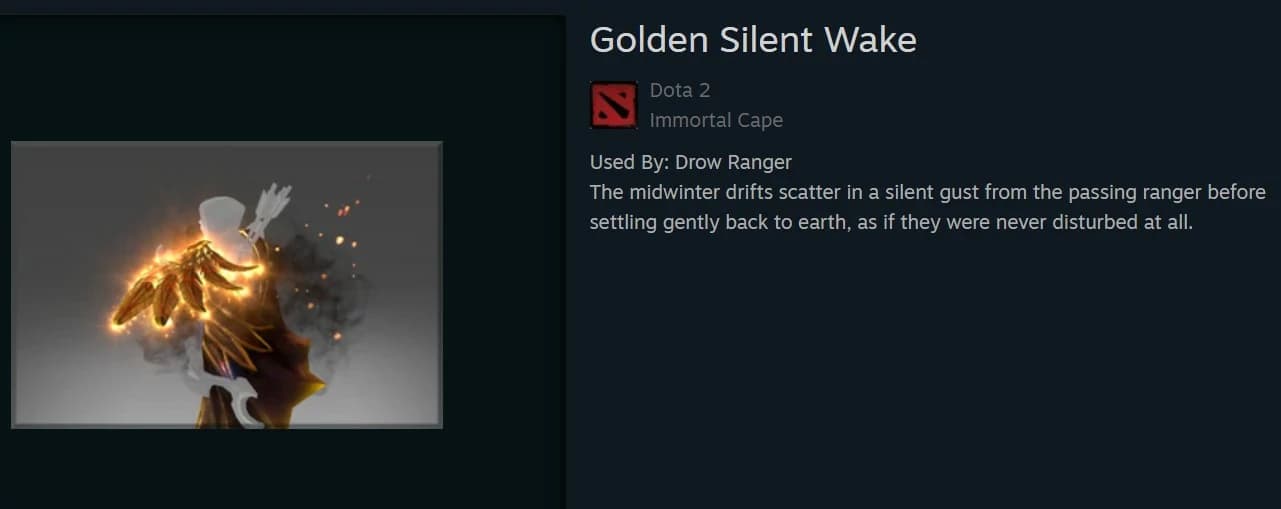
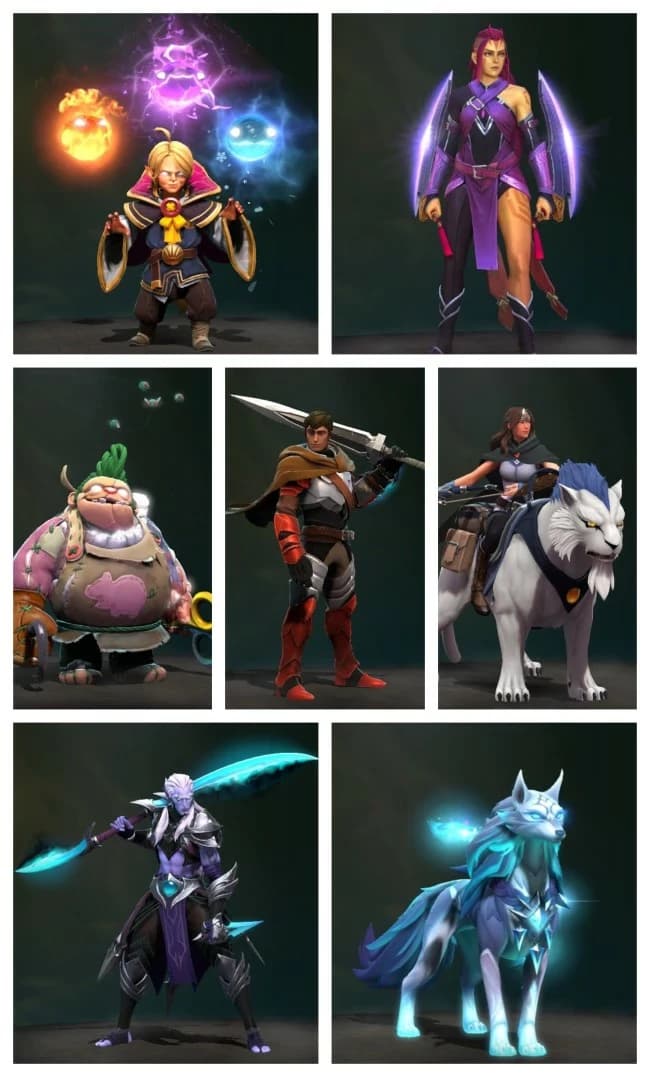
Since the Steam Market is mostly guided by supply and demand, some items such as Drow Ranger's Golden Silent Wake, Outworld Destroyer's Golden Shards of Exile and Invoker's Dark Artistry bundle have a low supply and ended up costing hundreds of dollars.
Restrictions, events and safety tips
Dota 2 cosmetic availability often changes due to treasures, events, or restrictions applied to marketability and trading. If such items are tradable and marketable, their prices get to the hundreds of dollars as we have seen above, if they are untradeable and not marketable, most either become collectibles or eventually get added to hero cosmetics by Valve as a way to make their return to the game's ecosystem.
Event-driven availability
Many items launch during special events and this ends up making them a limited edition. Valve seems to be working to make most exclusive items such as arcanas and personas more widely available but as a general rule, exclusive items release:
- during The International;
- during Seasonal or special events;
- inside Limited-time treasure releases.
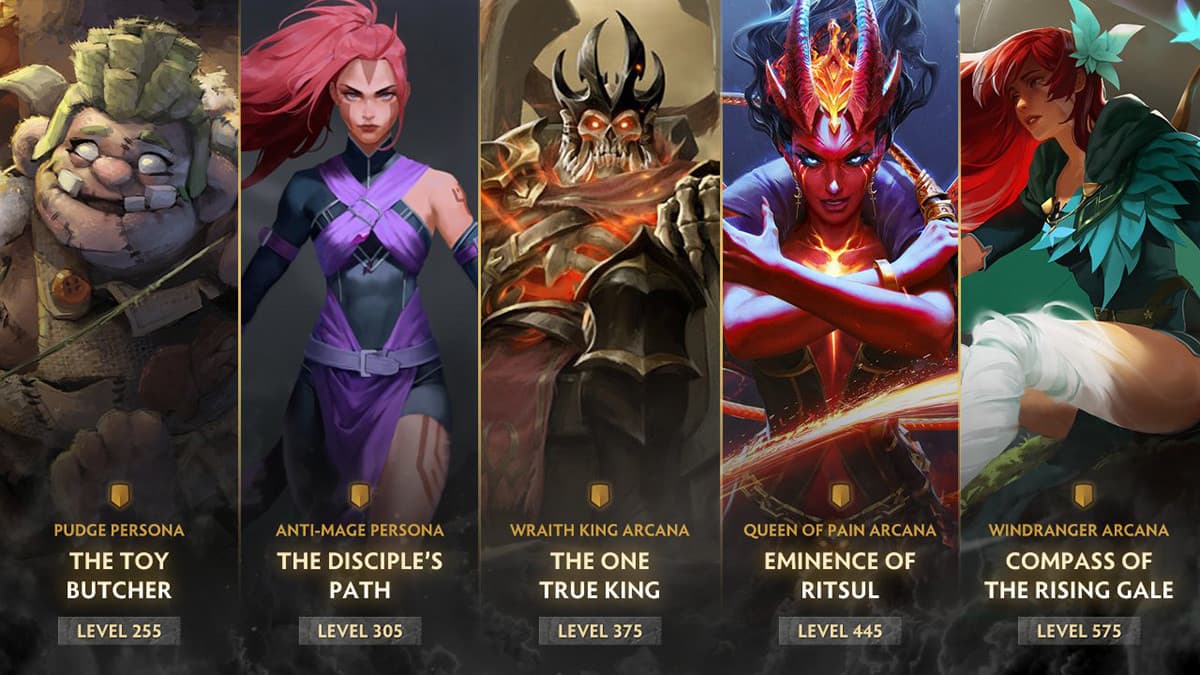
Some items such as Io's Benevolent Companion Arcana are still exclusive to this day but in general, Valve seems to be trying to step back on item exclusivity by making former exclusive arcanas and personas available in new Dota 2 cosmetics as a base model that awards the original item along with the new set.
Dota 2 cosmetics: sale cooldowns and locks
Steam used to leave players be to market their items as they saw fit but eventually, market restrictions were put in place. Among the various restrictions on the sale of Dota 2 cosmetics you may encounter:
- Non-marketable and untradeable items;
- Trade and market cooldown timers;
- Region or account security holds;
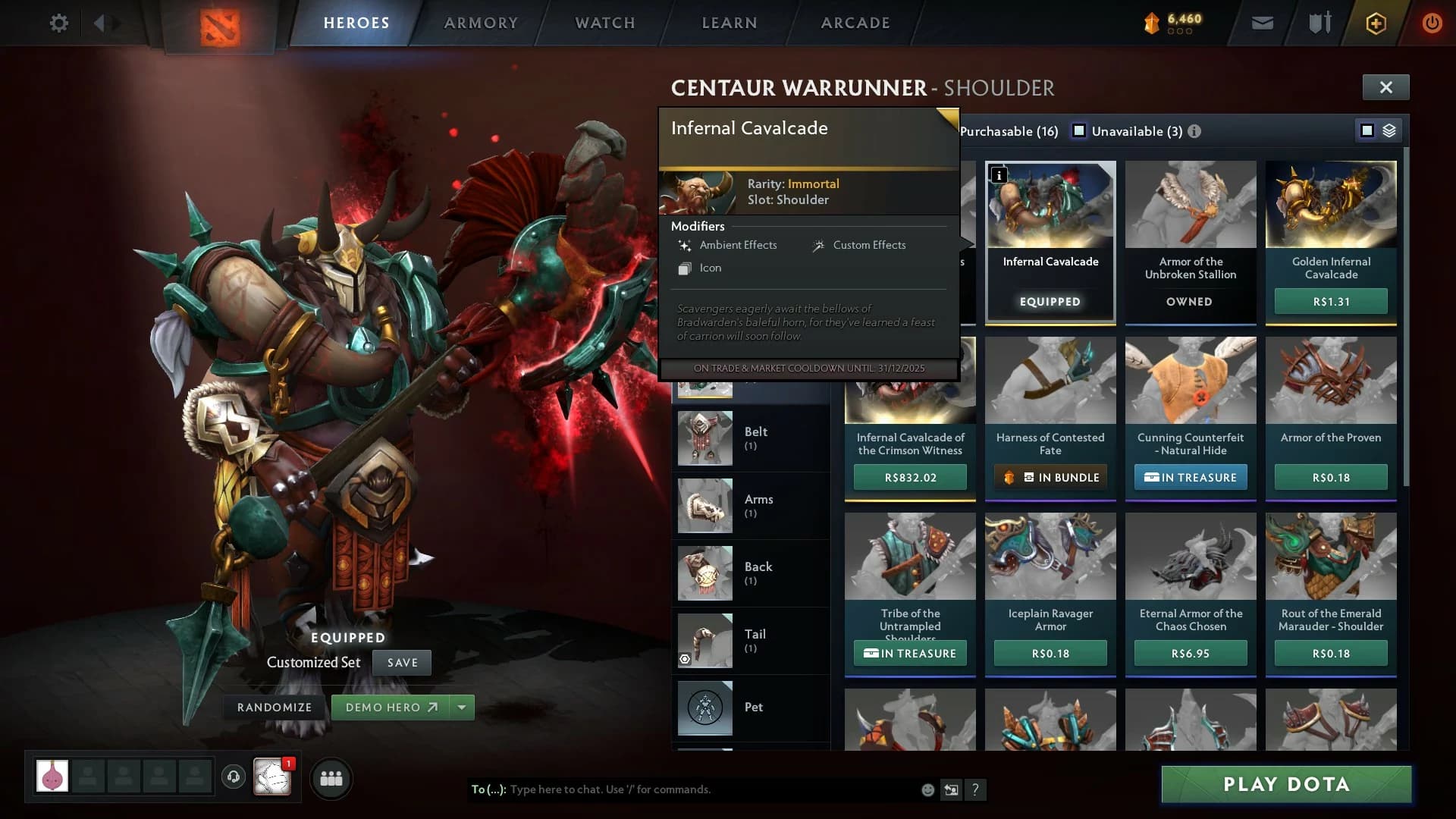
Non-marketable and untradeable items are account bound. Items with trade or market cooldown are usually immortals obtained in events such as Crownfall. The trade and market timer varies but usually is set to a year after the event started. If you buy items on the Steam Market, the item also has a week-long trade and market cooldown added to it.
Finally, if the Steam system finds any unusual activity in your account (activity coming from a different continent/region) or for any reason you remove and add the 2FA back to your account, you get restrictions added to your account to protect your items. Always remember to review restrictions before purchasing to avoid planning on trading or selling items with restrictions attached.
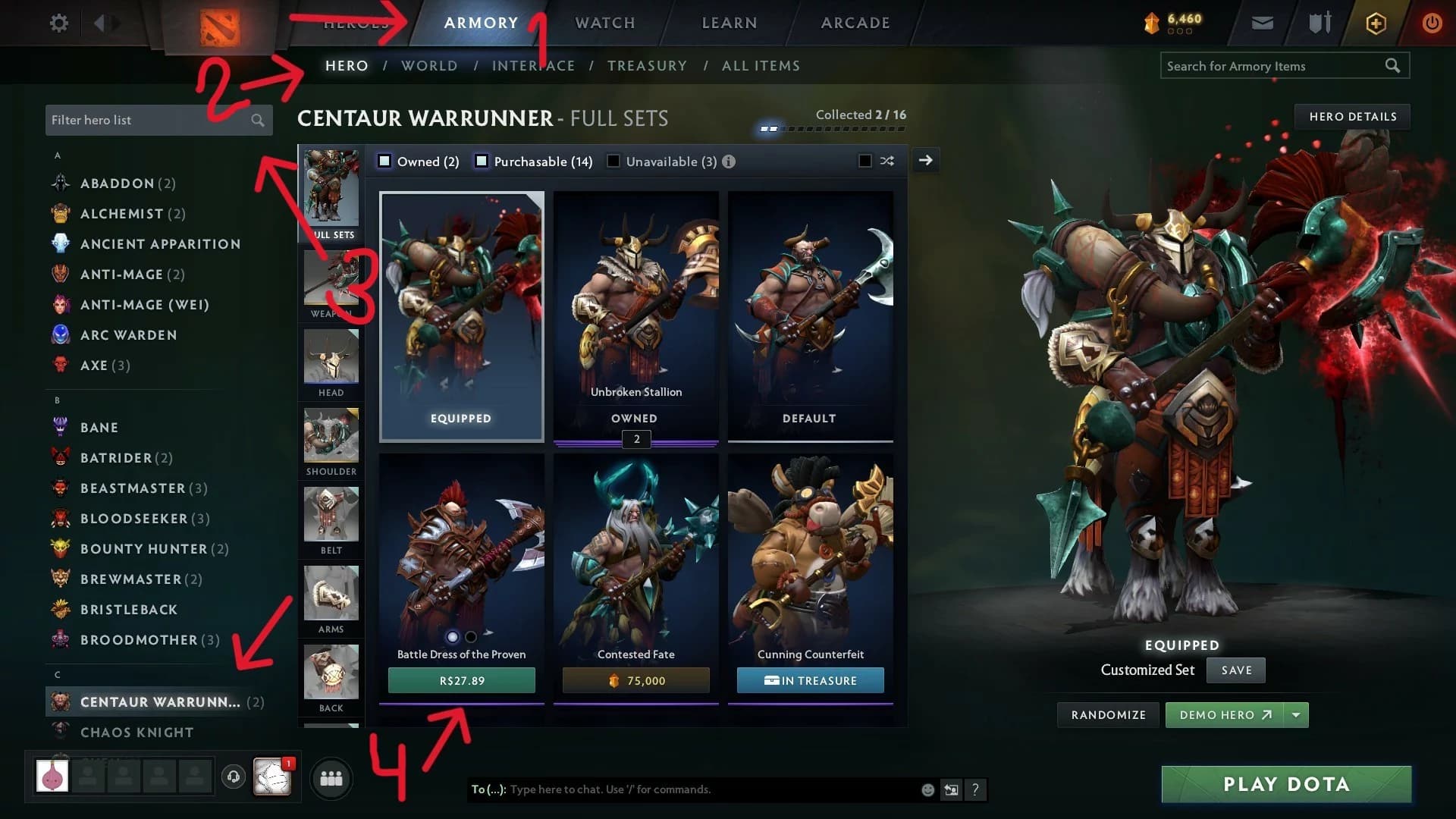
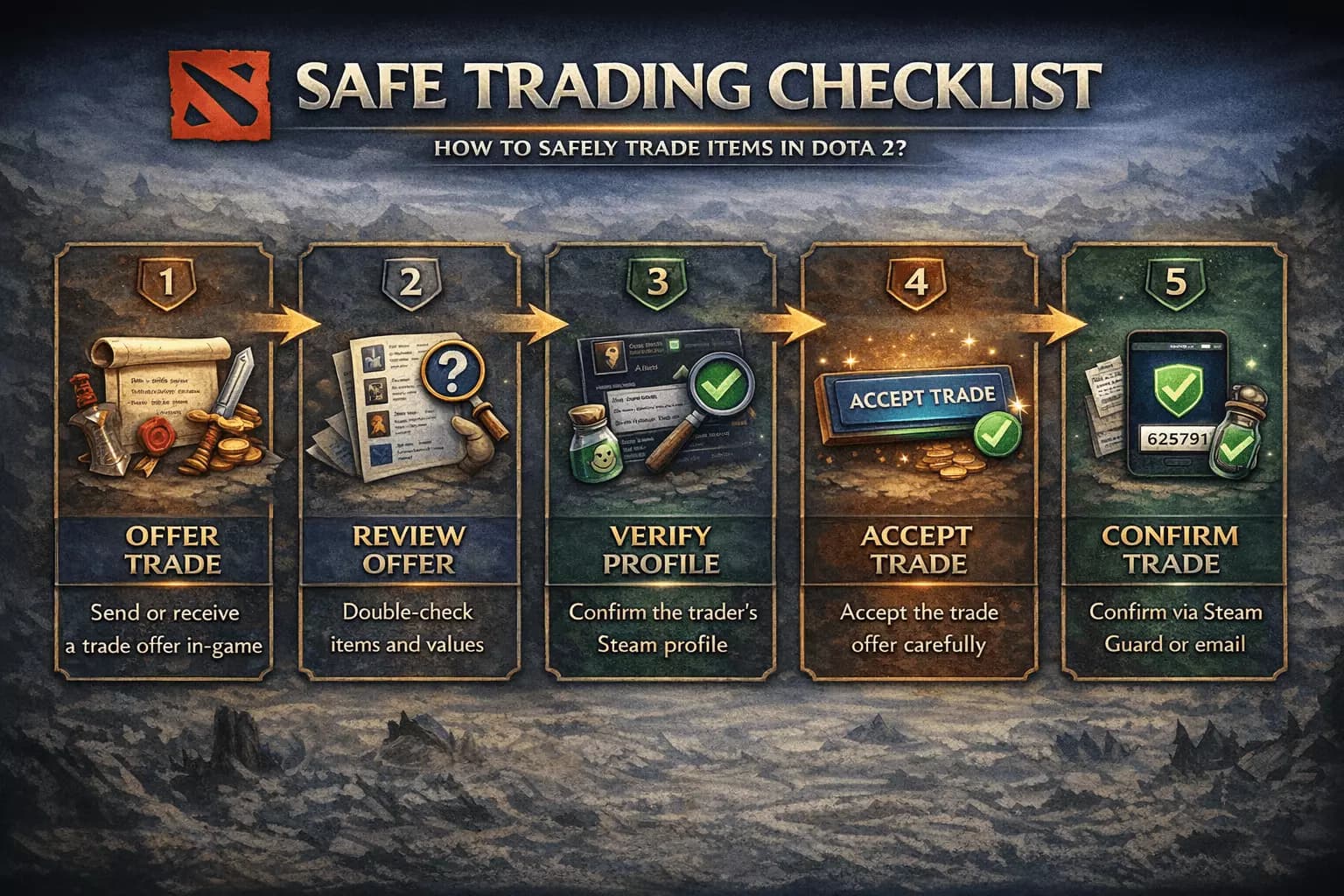
Anti-scam essentials
It's important to know and always follow trading safety procedures to avoid losing valuable items so we made a quick checklist with the most important precautions:
- Always keep your 2FA active and confirm every trade step as you do it;
- Inspect item details carefully hovering tour cursor over the item to check for name editions and item restrictions;
- Avoid external links or “too-good-to-be-true” deals;
- Keep trades inside Steam’s system. It's inconvenient sometimes but that is because it's made to protect you.
FAQ
Do Dota 2 skins affect gameplay?
No. Dota 2 cosmetics are purely cosmetic and do not change gameplay mechanics or stats. No exceptions.
What’s the difference between Arcana and Persona?
Arcanas are skins that add deep visual effects, animations and UI changes. Personas are skins that replace the hero model entirely. Both are rare and high-value cosmetic types but you could say Personas go a step beyond Arcanas in terms of customization.
How can I get Dota 2 skins without opening treasures?
There are four ways to get Dota 2 cosmetics without opening treasures: using the in-game store (real currency), buying listings on the Steam Market (real currency), redeeming items from the Shard Shop (shards) and playing ranked games to get random drops.
Why can’t I sell or trade certain items?
Some Dota 2 cosmetics have restrictions attached to them including cooldowns or locks tied to event rules or account security policies. Some items have only trade or only market locks, some have both.
How do I trade safely?
Keep the Steam two factor authentication always active, verify every offer by checking the item description, avoid (if possible never use) third-party links and follow best-practice trading safety guidelines inside Steam.
Conclusion
Dota 2 skins let players personalize their experience through visual upgrades that are purely cosmetic. They are available for purchase in the Dota 2 Store, Steam Market, Shard Shop, treasures and limited drops. Shard Shop rewards are the best way to get exclusive Dota 2 cosmetics without spending money, especially if you play a lot.
Special cosmetics like Arcana and Persona offer the highest expression of style and collectability to selected heroes. While they tend to be expensive and hard to come by, you can get them for free by getting lucky or spending a lot of time playing events that give them as rewards.
Finally, it's important to remember that understanding rarity tiers, cosmetic qualities, market fees and restrictions, and safe ways to trade Dota 2 skins helps you avoid pitfalls. Always follow safety procedures and check items every step of the way.