
 en
en
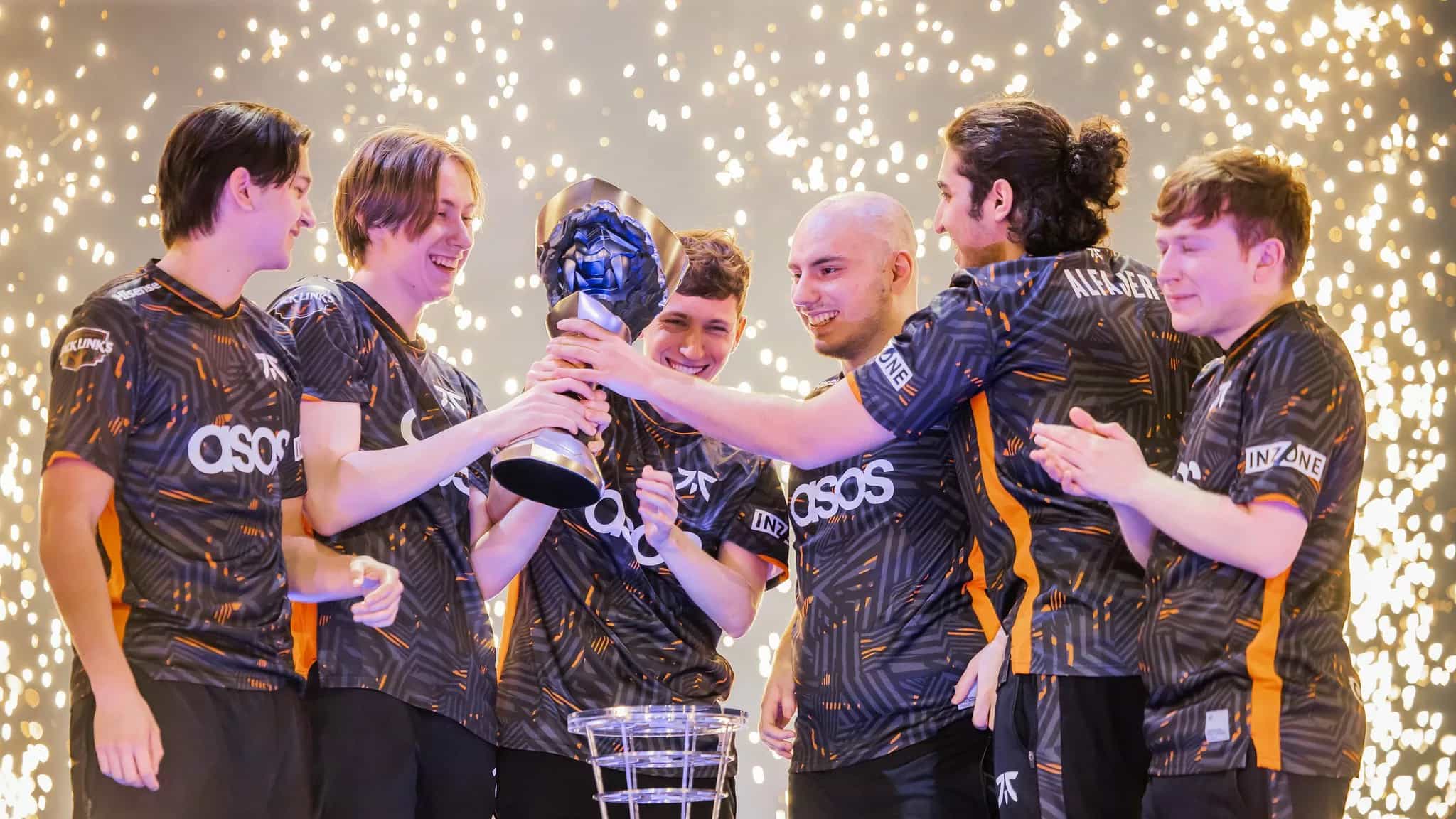
VCT Masters Tokyo: The reasons behind its low viewership
The recently concluded VCT Masters Tokyo, the first international Valorant event held in the Asia-Pacific region, garnered significant attention within the esports community.
While the tournament delivered intense matches and showcased the rising talent from around the world, it struggled to achieve the viewership numbers seen in previous international events.
In this article, we delve into the reasons behind the low viewership of VCT Masters Tokyo and explore how timing played a crucial role in shaping the tournament's viewership landscape.
Understanding the Importance of Viewership for Online Events
Viewership holds immense significance for any online esports event. It not only serves as a measure of a game's popularity but also plays a pivotal role in attracting sponsors, securing future investments, and boosting the overall growth of the competitive scene.
High viewership numbers indicate a thriving esports ecosystem and capture the attention of both existing fans and potential new viewers.
With this context in mind, it becomes essential to analyze the factors that contributed to the relatively low viewership of VCT Masters Tokyo.
VCT Masters Tokyo viewership vs other events

The Impact of Timing on Viewership
One of the key factors that affected the viewership of VCT Masters Tokyo was the timing of the matches. The tournament's schedule attempted to cater to a global audience, but it failed to effectively capture the attention of viewers from different regions.
For the Pacific audience, the matches took place during peak working hours, making it challenging for many to tune in and follow the action live. Similarly, in European regions, the matches aired early in the morning, further limiting the potential viewership.
As a result, the primary viewership was skewed towards the United States, where the matches were more accessible during prime time entertainment hours. However, even for US viewers, the timing was still relatively late, making it difficult for casual viewers to follow the tournament consistently.
Targeting the Core Fanbase
Despite the unfavorable timing, VCT Masters Tokyo managed to attract a dedicated and passionate core fanbase. The viewers who tuned in were individuals who were genuinely invested in the competitive Valorant scene.
Their commitment to watching the matches despite the inconvenient hours is a testament to the strength of the esports community and the game's appeal.
These dedicated viewers will definitely play a major role, as they showcase the potential for strong viewership numbers in future tournaments with more favorable timing.
VCT Masters Tokyo - A Lesson Learned, Not an Esports Failure
The low viewership experienced during VCT Masters Tokyo should not be seen as a reflection of the game's popularity or the failure of esports. Instead, it highlights the significance of making informed decisions regarding tournament timing, considering the global audience's diverse time zones.
The attempt to accommodate fans from around the world, while admirable, resulted in a situation where no single region could fully engage with the tournament due to inconvenient broadcast times.
The intention was to unite the Valorant community, but the execution fell short of expectations.
Moving Forward for future VCT Masters and events as a whole
Recognizing the importance of viewership, tournament organizers and game developers must carefully consider the timing and scheduling of international events. Achieving a balance that allows for maximum global viewership while considering the primary fanbases of different regions is crucial.
By providing a more accessible viewing experience for fans worldwide, future tournaments can optimize their potential viewership and promote the continued growth of the competitive Valorant scene.
Conclusion
VCT Masters Tokyo may have witnessed lower viewership compared to previous international Valorant events, but it remains a testament to the dedicated fans who defied inconvenient timing to support their favorite teams.
The tournament organizers and game developers can learn from this experience and apply these insights to future events, ensuring a more inclusive and engaging viewing experience for fans worldwide.
As the esports industry continues to evolve, the significance of viewership will remain paramount, driving the growth and success of competitive gaming.
Go to Escharts.com for more data such as the one used in this article and follow Strafe for more Valorant news and information.