
 en
en
PGL Surrenders August 2026 as EWC Aggressively Steals Teams and Attention
The gloves came off this week in Counter-Strike's nastiest scheduling dispute so far: PGL decided to cancel its August 2026 tournament after the Esports World Cup (EWC) announced an aggressive expansion of its CS2 event, sparking a bitter war of narratives that exposes the ugly reality of tournament politics in modern esports..
EWC's Direct Hit
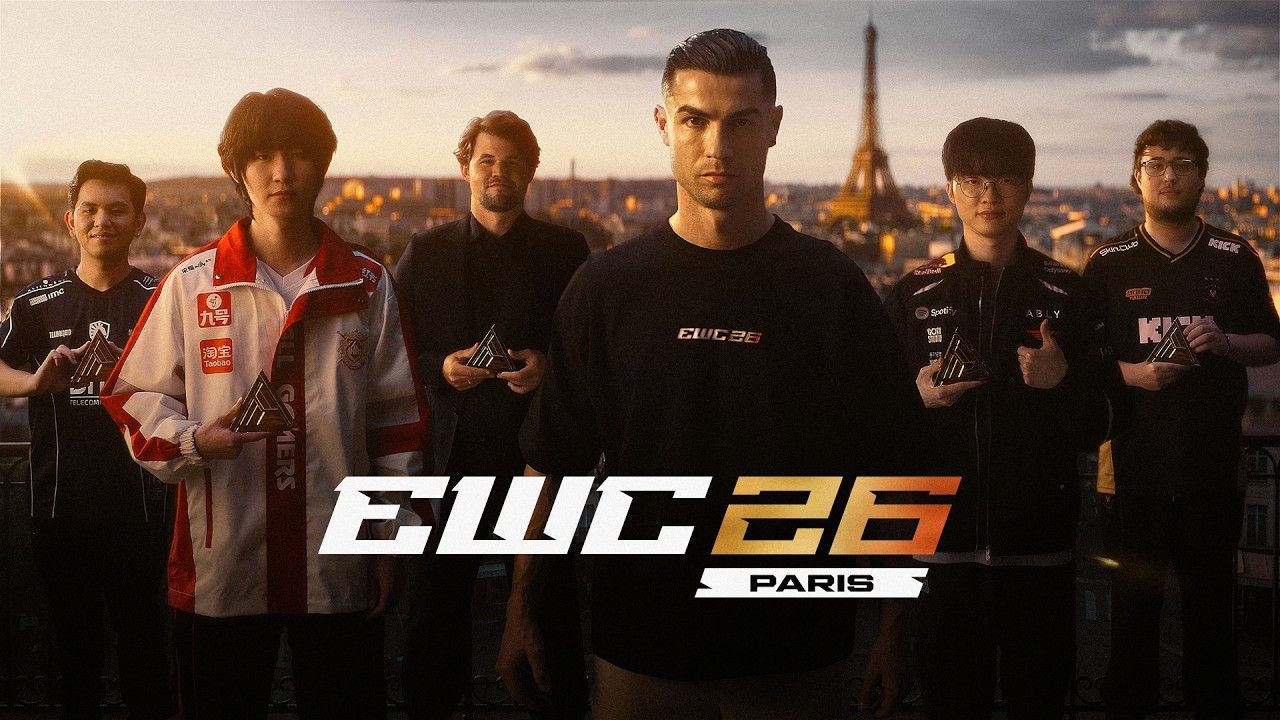
PGL's statement was diplomatically worded but unmistakably pointed: "The decision follows another tournament being announced at a later date that overlaps with ours, despite our schedule being published in March 2024". The "other tournament" is obviously the EWC, which just announced a massive expansion from 16 to 32 teams with a $2 million prize pool, or double PGL's offering.
The timing couldn't be more provocative. PGL set its August 6-16, 2026 dates in March 2024, giving the industry over 18 months' notice. The EWC responded by scheduling August 12-23, 2026, creating a week-long overlap that makes it impossible for top teams to participate in both events.
This is more than scheduling incompetence, it's strategic warfare. And the Saudi's are on the winning side of this clash.
The Power Play
The EWC's expansion is a calculated move to establish dominance. By doubling the team count and prize pool while directly overlapping with PGL's established dates, the EWC is sending a clear message: Compete with us, at your own peril.
The mathematics are brutal. With the EWC offering $2 million compared to PGL's $1.25 million, plus the prestige of 32 teams versus PGL's smaller field, top teams face an easy choice. As PGL acknowledged, attracting "teams from the top 30 of the global VRS ranking" would be nearly impossible under these circumstances.
The EWC, operated through ESL FACEIT Group, enjoys structural advantages that independent organizers like PGL simply cannot match. These include guaranteed VRS points for Major qualification, established relationships throughout the ecosystem, and, most critically, virtually unlimited financial backing from Saudi Arabia's gaming investment strategy.
The Hypocrisy of "First Rights"
While PGL's complaint about date precedence seems reasonable, it exposes a problematic assumption about tournament calendars. Should any organizer be able to claim dates 18+ months in advance and expect permanent ownership? This system would essentially allow early announcers to monopolize premium calendar slots indefinitely.
PGL's March 2024 announcement of its full 2025-2026 calendar was obviously smart but raises questions about fair competition. If taken to its logical conclusion, this approach could suffocate innovation and prevent newcomers from entering the market, ironically creating the same monopolistic conditions PGL now complains about.
The Counter-Strike ecosystem needs reasonable advance notice periods that balance planning requirements with competitive fairness. A system where dates can be claimed two years in advance is just as problematic as one where they can be hijacked without warning.
What About the CS2 Teams?
Professional teams hold more power in this dispute than they're willing to exercise. The EWC needs prestigious teams more than teams need any single tournament, yet organizations consistently choose short-term financial gain over ecosystem health.
This passivity enables the current consolidation. If top teams coordinated their participation strategically, splitting appearances between organizers, demanding ecosystem standards, or supporting innovative formats, they could maintain competitive balance. Instead, they follow prize money regardless of broader implications.
The Counter-Strike Professional Players' Association, once a hopeful organization from them, remains largely ineffective (if yet active) in addressing these structural issues. Regardless of that, players frequently stay silent on critical decisions, allowing tournament politics to be decided by default rather than active stakeholder engagement.
What's Next?
PGL maintains its other 2026 events in Cluj-Napoca, Bucharest, Astana, and Belgrade, but faces increasing pressure as competitors continue aggressive scheduling. The organization's survival likely depends on finding sustainable competitive advantages beyond simply claiming dates first.
The Counter-Strike ecosystem needs formal coordination mechanisms to prevent these destructive conflicts. Valve's 2025 reforms addressed some issues but didn't anticipate the monopolization risks posed by unlimited external funding.
Without intervention, expect more PGL-style cancellations as Saudi-backed events systematically crowd out independent competition. The question isn't whether this consolidation will continue, it's whether the Counter-Strike community cares enough to resist it.
The PGL vs EWC drama may seem like insider tournament politics, but it represents a critical juncture for competitive Counter-Strike. The decisions made now will determine whether the scene maintains its competitive diversity or becomes another casualty of geopolitical gaming investments.
For fans who value innovation, regional representation, and competitive balance, the stakes couldn't be higher. The scheduling war is just beginning.
Stay tuned to Strafe Esports for more Counter-Strike information and Budapest Major news. Don't forget to follow us on our Social Media for real-time updates of your favorite game. If exclusive content is what you are looking for, then our Youtube channel is the place to go!
Feature image credits: PGL/EWC/Edited by Strafe
Read also: