
 en
en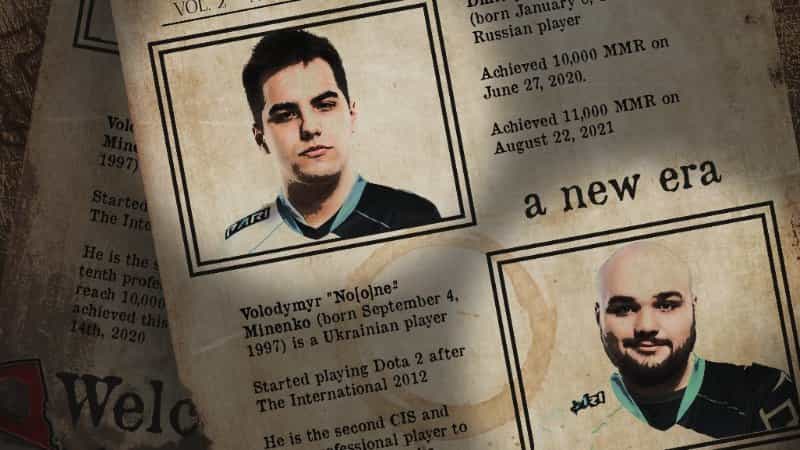
How (Eastern) EU Dota became the Best
Once upon a time, the world of professional Dota 2 was fiercely contested between regions—China and Europe stood at the top, with Southeast Asia, North America, and CIS (now often referred to as Eastern Europe or EEU) playing strong supporting roles. But as we look at the competitive scene in 2025, it’s clear that EU became the best. From dominant performances at international tournaments (Europe has won 100% of tier 1 tournaments this year) to a conveyor belt of high-MMR prodigies, EEU has become the heart of global Dota. So, how did we get here?
Here are the key reasons why Eastern Europe—and EU more broadly—has risen to dominate the Dota 2 scene.
1. The Collapse of the Chinese Scene
For years, Chinese teams like Invictus Gaming, LGD, and Vici Gaming were staples at the top of international Dota. Their disciplined playstyles, strong infrastructure, and massive fanbases made them perennial contenders. We still see strong stacks now and then, but it's a shadow of it's former glorious self.
But in recent years, the Chinese Dota scene has withered.
-
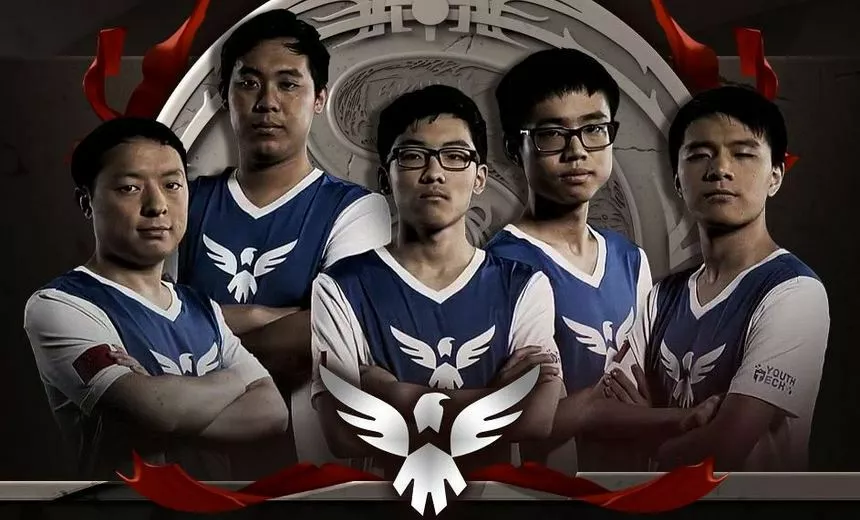
The Great Post-Wings Collapse - After Wings won TI (almost 8 years ago now), Chinese Dota was dealt several devastating blows, with Ace screwing over the Wings' players and artificially stopping the team from competing.
- The Matchfixing - In 2021, Valve banned over 40 young Chinese pros due to rampant matchfixing in local tournaments. This wiped out the new Dota 2 generation that was supposed to take over from the veterans. Due to this, the same few players kept on being recycled in different teams, and this stagnation lasts to this day.
-
Rising platforms like Honor of Kings siphoned off the next generation of talent who might otherwise have picked up Dota.
Without consistent international exposure and with domestic interest waning, China has struggled to remain relevant on the world stage—leaving a vacuum that EU was ready to fill.

2. North America's Fall From Grace
North American Dota has long lived in the shadows of EU and China. While legendary teams like EG (Evil Geniuses) gave the region its moments in the sun, structural issues slowly drained the life from the scene.
-
Low player base: NA has one of the smallest active Dota player populations relative to its size.
-
Lack of scrim partners: Many NA teams struggled to find consistent high-level practice, and scrimming SA or EU teams became logistically difficult.
-
Orgs pulled out: With sponsorship dollars drying up, teams like EG either dropped their rosters or moved to other games entirely.

-
Streaming over grinding: Talented players often prioritized streaming and content over competition, making it hard to maintain elite form.
Today, NA is a shadow of its former self, and many of its best players have moved to EU or retired altogether.
3. SEA's Internet Café Culture Fading
Southeast Asia used to be one of the most chaotic and exciting regions in Dota. Teams like Fnatic and TNC regularly punched above their weight, powered by a vibrant café culture that gave young players a space to compete, grind, and connect.
But the rise of mobile gaming changed everything.
-
Net cafés closed during and after COVID, and many never reopened.
-
The cost of gaming PCs made it hard for new players to get in without access to cafés.
-
Mobile games like Mobile Legends: Bang Bang exploded in popularity, thanks to cheap smartphones and low barriers to entry.
-
The best SEA esports orgs followed the money, pivoting to mobile-first esports ecosystems.
While passionate Dota players still exist in SEA, the talent pipeline has weakened, and the region has fallen behind in infrastructure and team discipline.

4. Mobile Games Cannibalized PC Esports
This applies to more than just SEA. Across Asia and parts of Latin America, mobile esports have become king. From Mobile Legends to PUBG Mobile and Honor of Kings, smartphone-based competitive gaming offers low-latency, instant matches, and enormous prize pools—all without the need for expensive rigs or high-speed wired connections.
Dota 2, with its massive learning curve, simply can’t compete with the accessibility of mobile titles. And in regions where mobile dominates, the next generation of talent is just never touching Dota.
5. Competition Fosters Greatness
While other regions weakened, Europe—particularly Eastern Europe—strengthened through adversity. The region boasts:
-
A massive and active high-MMR player pool, from Kyiv to Warsaw.
-
Incredibly competitive pubs that churn out young prodigies like gpk, Kiritych, and Watson.
-
Infrastructure still supported by legacy teams like Team Spirit, NAVI, Virtus.pro, and newer orgs with international ambitions.
- EEU tends to have a relatively low cost of living, making it more viable for players to live off of Dota compared to their western European counterparts.
Whereas other regions lack healthy competitive ladders, EEU players are forged in a daily grind of ultra-high-skill matches. The Dota 2 Matchmaking Leaderboard is frequently dominated by EEU flag bearers.
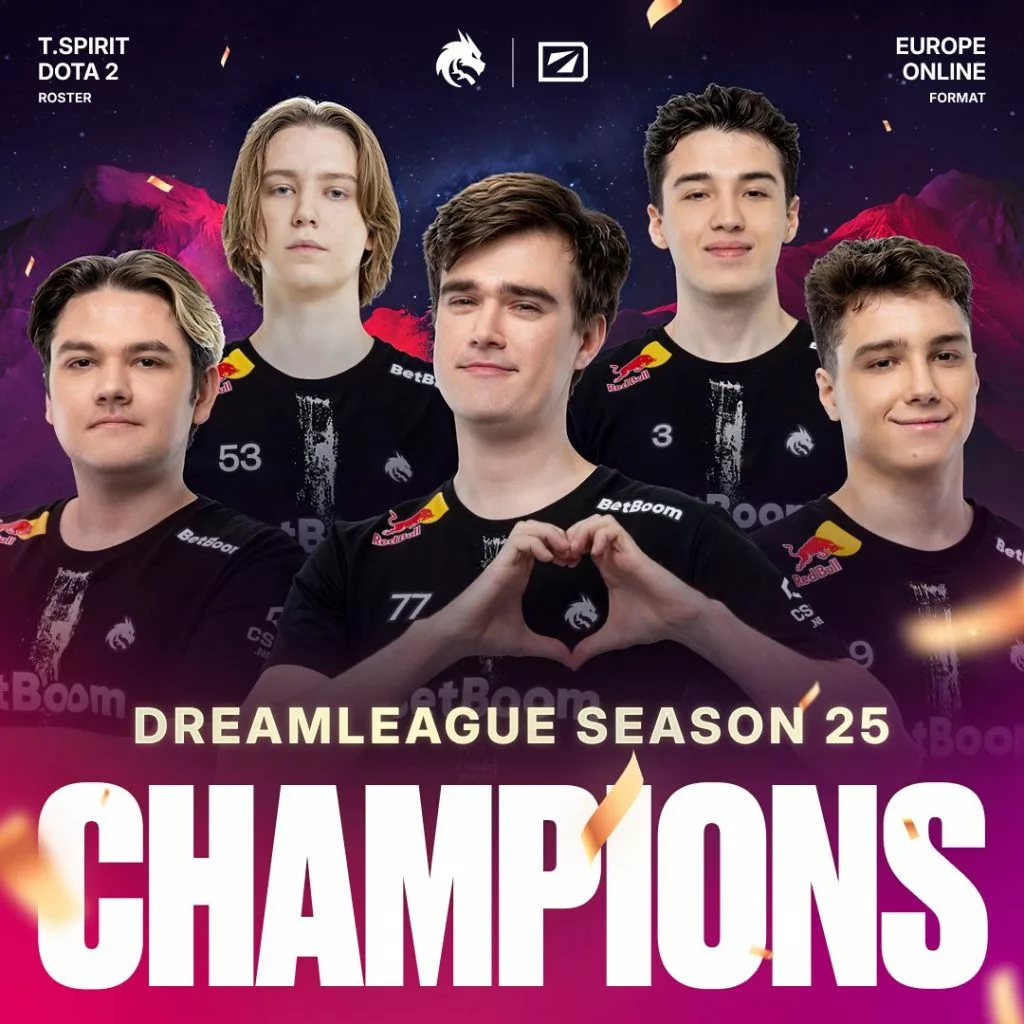
It’s about grit, outplays, and going from nothing to something. And that spirit (pun intended)—combined with the weakening of its rivals—has made EU, and especially Eastern Europe, the center of the Dota universe. In 2025, if you want to win at Dota, you play in EU. If you want to learn Dota, you queue into EEU pubs. And if you want to be remembered in Dota history, you have to go through the East.
Read More: Team Spirit Wins Again