
 en
en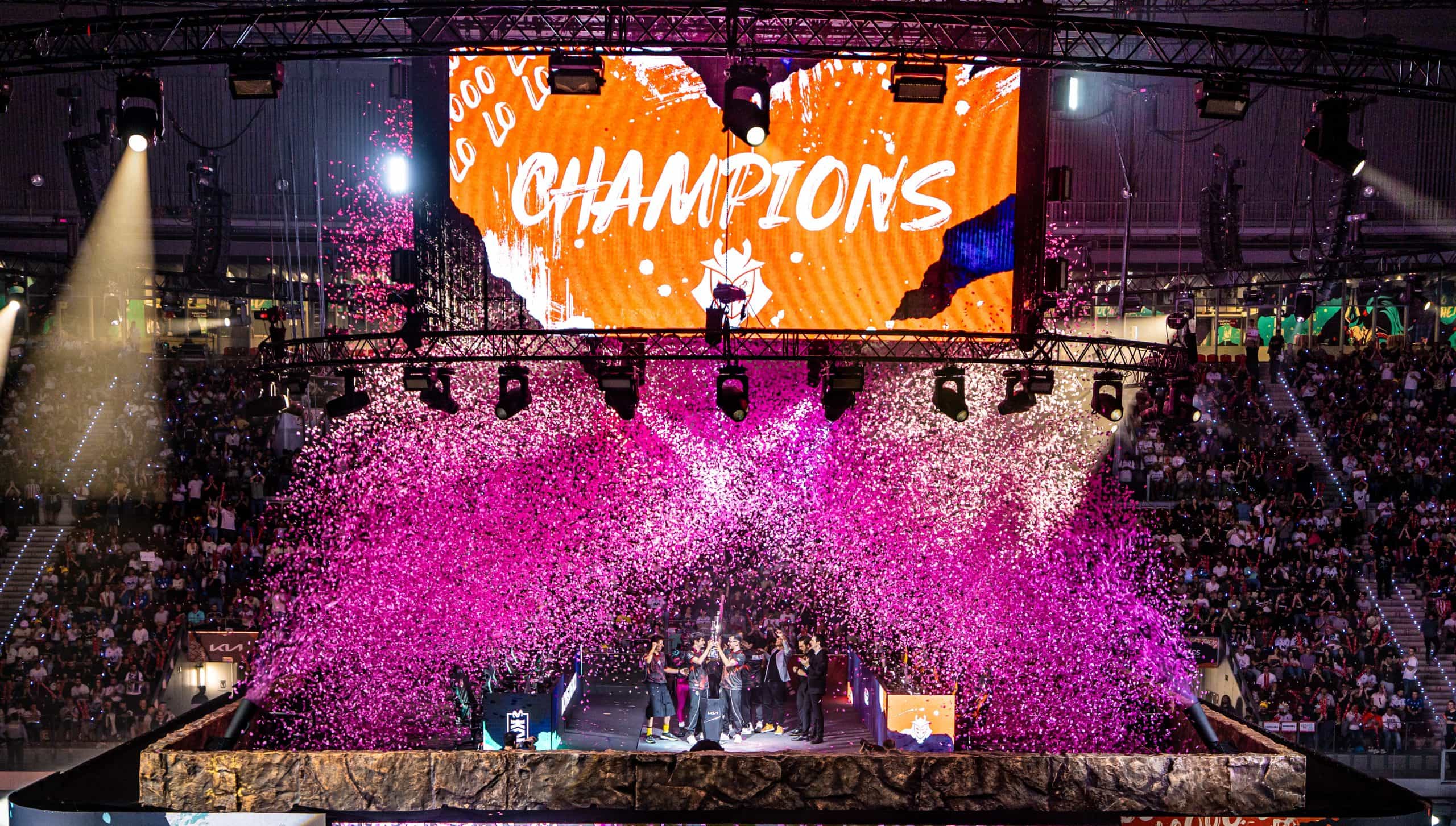
G2's Winning Formula: "We Are the Real Madrid of Esports"
If you think of esports, chances are the G2 name will pop up in your head; the menacing samurai, the countless trophies, the aspiration to be bigger, better. When it comes to the world of competitive video games, G2 Esports is one of the most recognizable brands worldwide, no doubt about it.
But, just how big are they really? And perhaps more importantly, what steps did they take to get there?
Strafe had the chance to sit down with Alban Dechelotte, CEO of G2 Esports, for an exclusive interview to discuss the organization's winning formula, what success looks like for G2, and what he believes the future has in store for esports as a whole.
The Real Madrid of Esports: G2's Mounting Success
According to Dechelotte, when the G2 Esports brand was originally conceived more than 10 years ago, its two founders had one clear direction for the team: "They wanted to create the Real Madrid of esports. That was their vision."
Now, that all sounds great, but what does it really mean on a day-to-day basis? For the CEO of one of the biggest esports organizations in the world, that's a very clear picture: "That means global, very competitive, global brand, like very strong IP."
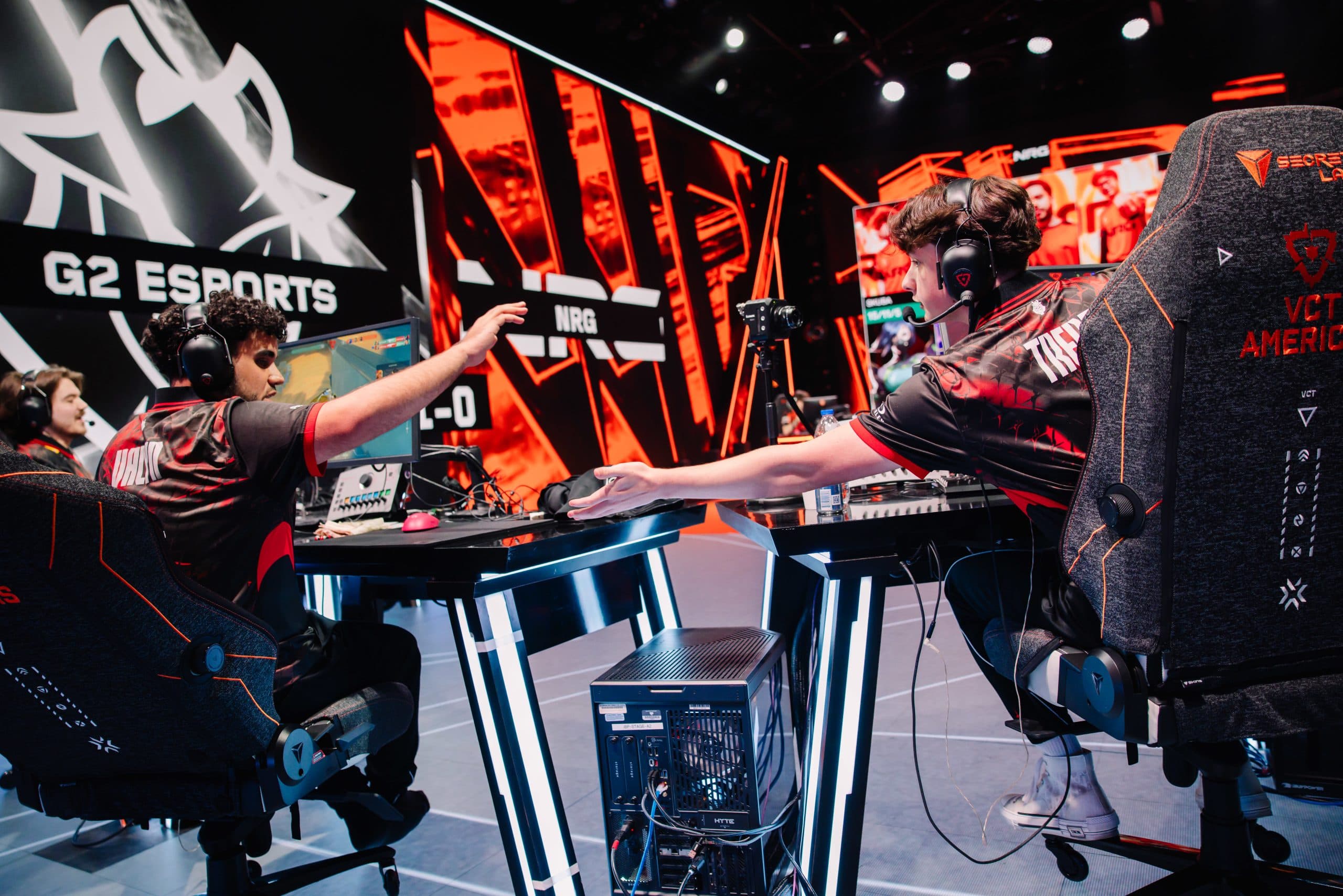
Is that achievable? To figure that out, let's take a look at the numbers. In 2025 alone, G2 came away with 5 top-tier trophies across three of the biggest esports in the world, League of Legends, Counter-Strike, and VALORANT. This came by way of dominating the Americas region in VAL outright, winning the most important LEC split of the year in LoL, and taking down a seemingly indomitable Team Vitality squad to win BLAST Open Fall 2025 in CS2.
Despite all this, G2 still needs to push for the kind of international success that has eluded them in recent years. Regardless, for Alban Dechelotte, the verdict is out:
"We did an assessment of where we are after 10 years of G2, and the not-so-humble assessment was that we are the Real Madrid of esports [...] That's where we are today. We are the only organization in the world that qualified for six out of six of the majors of Counter-Strike, VALORANT, and League this year (2025). Not a single organization did that."
Building an Empire: Competition and Storytelling
Empires aren't built overnight. As far as G2 goes, they've had more than a decade to refine their strategy for growth. As the team's presence and success continue to rise over time, G2's CEO believes none of it would have been possible without two major ingredients. The first of these is something that comes naturally to G2: competition.
"I come from traditional sports. I was a rugby player. And the esports director of G2 also comes from sports. So, we probably apply more sports knowledge and sports science in esports than the opposite. We believe in the marginal gain.
We believe that winning and losing is a question of 1%. It's all duty. It's all mantra to every week, ask all staff or players or coach: what is the 1% you're going to have this week? The one thing we believe in is like every week we need to win 1% on something. It could be nutrition. It could be sleeping habits. It could be breathing habits. It could be in-game.
But we need to keep developing, keep running and never stand still. I think it's part of the DNA. And I think this idea of competition is not something we talk about. It's something we do at G2."
Let's take League of Legends, for instance. Ever since the EU LCS rebranded to the LEC for the start of the 2019 season, G2 has won 13 out of 19 LEC titles. Dominating the European scene would not have been possible without pushing day in and day out. This is precisely what led G2 to become the only Western team ever to win MSI (2019).
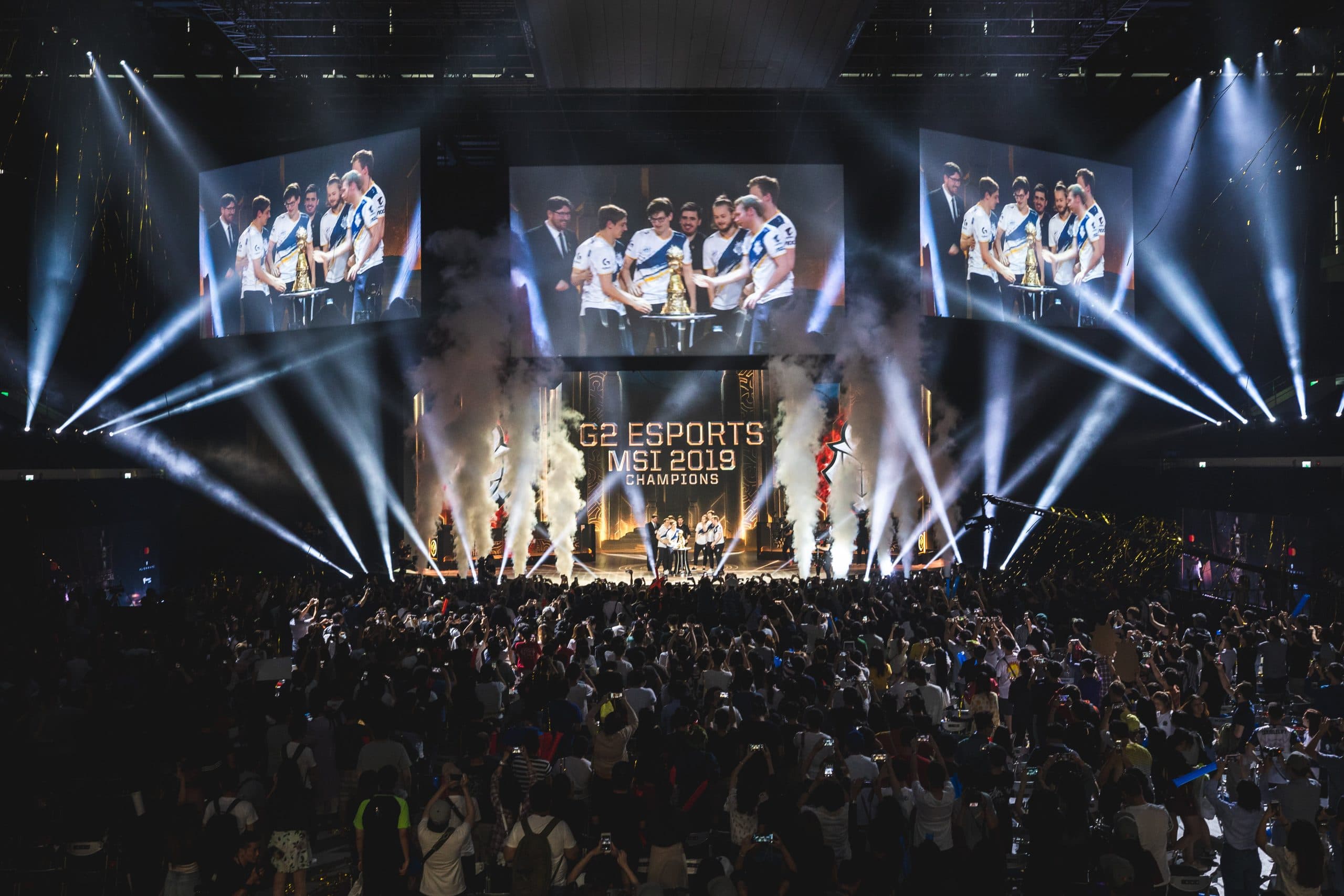
As for the second ingredient, that is one that fans of G2 should know all too well by now: storytelling. "We have a unique point of view on content, which is very high storytelling and our unique IP and tone of voice," Dechelotte adds. This particular emphasis on storytelling is part of what has allowed G2 to continue to grow not just throughout a single esport, but across several.
"If you're a fan of Caps in League of Legends, why should you care about HeavyGod in Counter-Strike? And for us, it's like, because the same level of storytelling, entertainment, of innovation, of banter, like the unique counterparts of G2, you will find in the other games."
For Dechelotte, it seems this is something other esports organizations could learn from, stating that "this is the biggest challenge the esports industry is facing."
"Most of the fans join teams as fans because they love the game or the player. And when the team quit the game or the players leave the team, they potentially could leave the fandom for the team. So a lot of the challenge that teams are facing is to convert, give more reason for fans to care about the organization, not just the players of the game."
Tell a Story, Build a Universe
From social media content to on-stage personas, G2's attention to storytelling really can't be understated. In fact, they're the leading organization in esports when it comes to telling stories: "We have 36 people full-time in G2 working just on that. Nobody has this in esports. Very few sports clubs put as much emphasis on telling a story about their club."
And the beauty of stories is, they can be whatever we want them to be. G2 does not wait for a story to present itself to them; they build one themselves.
"This is really part of our DNA. And 85% of our content is scripted. So we're not relying on the reality to tell a story. We're not putting a camera in the locker room to share the content backstage to the fans. We're inventing universes. We are creating characters. We're telling stories."
Through a combination of lifting trophies and building stories, G2 has risen to the forefront of the esports world. The journey, however, is far from over.
The Future of Esports
The esports industry has seen remarkable growth over the last few decades; that much is undeniable. It's easy, however, for growth to stagnate if the pertinent avenues for sustainability are not explored in time. For this reason, Alban Dechelotte appears to have identified what the future of esports holds if the industry wishes to match other competitive scenes that have truly endured the test of time.
"I think we're still in a period of consolidation. Formula One, NBA, Champions League, these industries, primarily, these very successful properties, became successful when the numbers of teams became smaller."
Ultimately, Dechelotte believes that sustainability and longevity seem to come down to size: "When I started in esports, we had 300 teams. Right now, we have probably 100 teams left. My vision is that in five to ten years, we'll have 5 teams globally, five to 10 teams globally. We'll have global fandom. We'll have the biggest partnerships with sponsors and publishers. That would make it very, very profitable."
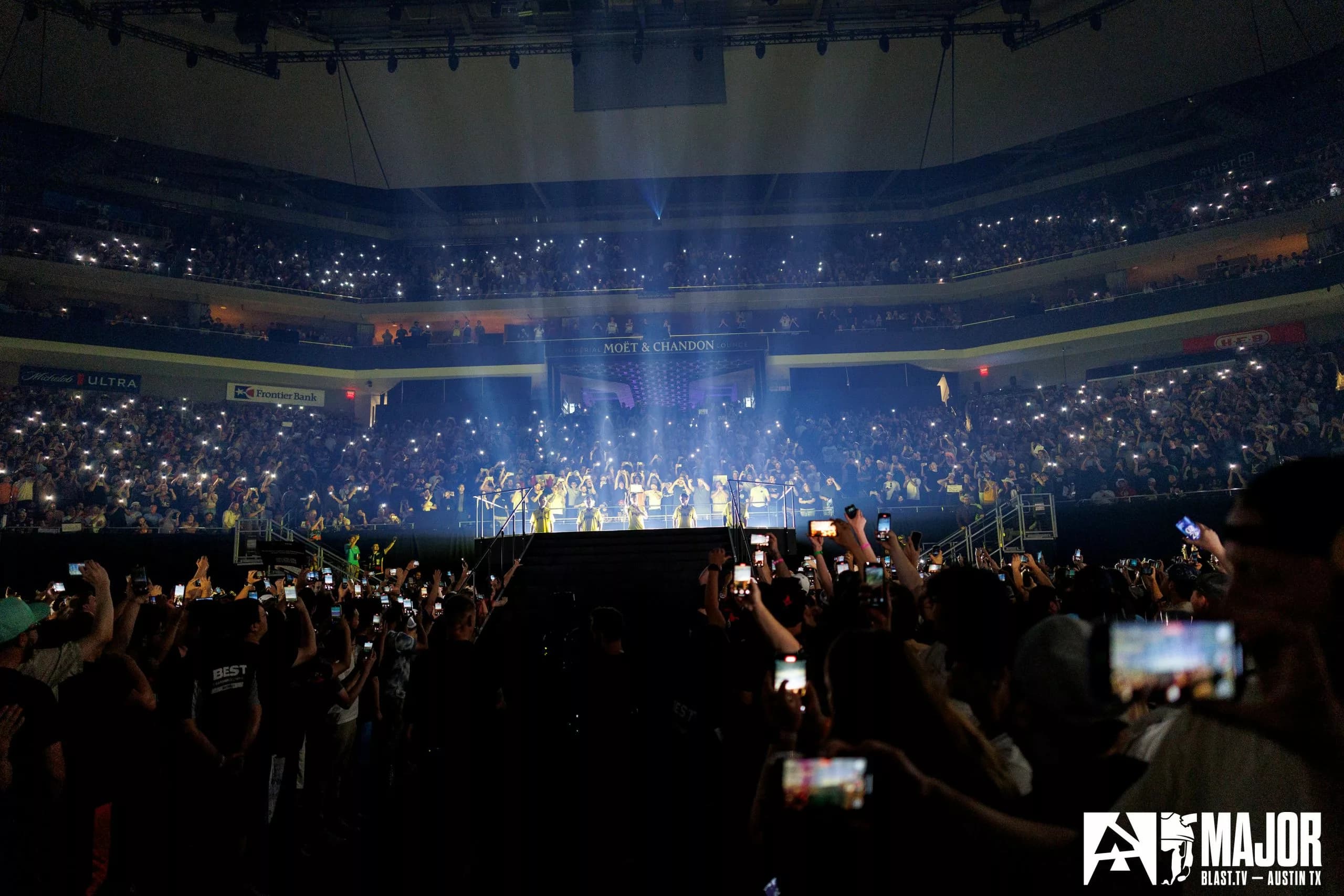
When thinking about how far G2 have come over the past 10 years, it's easy to look toward the future of esports and begin to feel excited. But for now, the present is nothing but bright for G2: "We are probably the most popular organization in Europe."
Follow Strafe Esports for the latest news on your favorite esports, and check out our X account for the latest content and coverage. Also, stay tuned to Strafe's channel on YouTube for exclusive interviews, press conferences, and more.
Featured image credit: Joao Ferreira/Riot Games
Read more:
RNG Exits League of Legends: The Fall of a Former Titan
Esports Nations Cup 2026: Format Explained
First League of Legends Dev Update of 2026: Shyvana Rework, Demacia Rising, and New Skins