
 en
en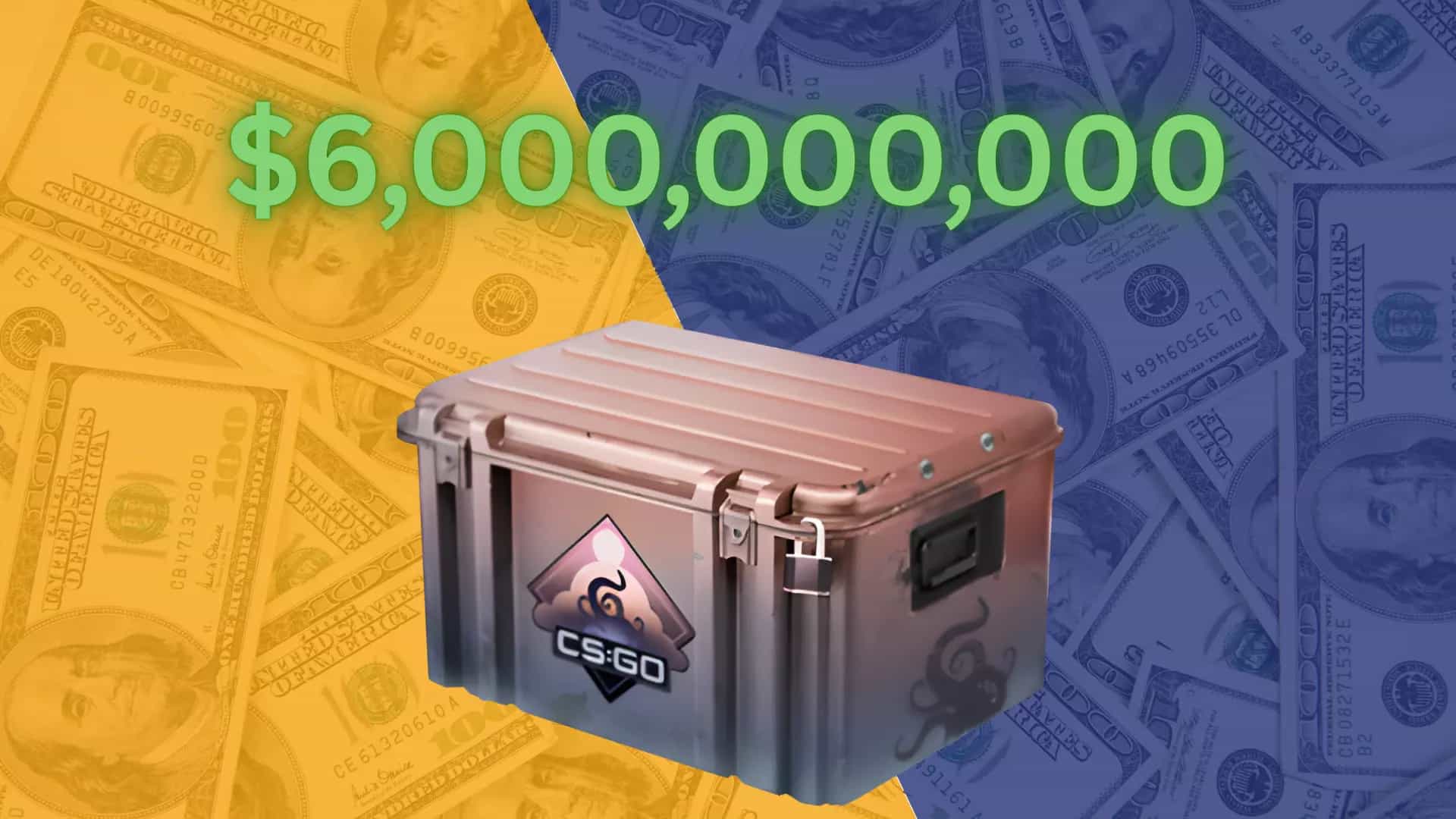
CS2 Skins Market Cap Hits $6 Billion: But Is It All Just a Casino?
Kaustavmani Choudhury
17 Oct, 2025, 15:16
|Last updated: 17 Oct, 2025, 15:21
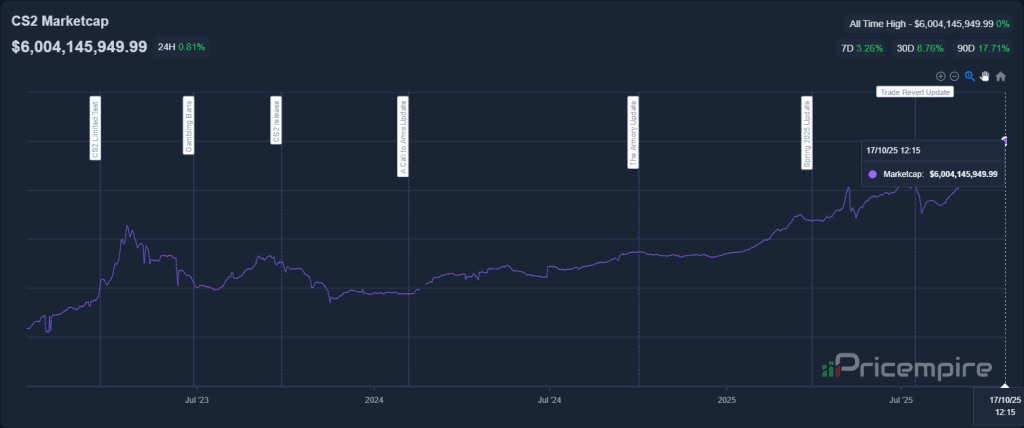
The Counter-Strike 2 skins economy has reached an unprecedented $6 billion market capitalization as of October 17, 2025, marking a historic milestone for what has become gaming's most valuable digital marketplace. However, beneath the celebratory headlines lies a troubling reality: the CS2 skins market has increasingly resembled an unregulated casino where even professional traders struggle to predict outcomes, and seemingly worthless items can suddenly skyrocket in value for no apparent reason.
From Investment Platform to Pure Speculation
What was once considered a relatively stable alternative investment class has transformed into a highly volatile speculative market where traditional analysis has become nearly useless. The CS2 market has grown from approximately $4.3 billion in March 2025 to $6 billion by mid-October, representing a 40% increase in just seven months. However, this explosive growth has been accompanied by wild price swings, coordinated manipulation by wealthy groups, and unpredictable behavior that defies conventional market logic.
For those who buy and sell skins professionally, the market has become treacherous territory. The community has observed that the market now behaves like a pure casino, where traders are unable to depend on historical data, rarity metrics, or logical supply-demand analysis to forecast price movements. The introduction of seemingly random price spikes and crashes has made professional skin trading more akin to gambling than investing, with even experienced traders unable to anticipate which items will gain or lose value.
The Safari Mesh Phenomenon: When Worthless Becomes Priceless
Perhaps no example better illustrates the market's irrational behavior than the AK-47 Safari Mesh, historically one of the cheapest and most undesirable skins in Counter-Strike. This Industrial-grade weapon, featuring a basic spray-painted camouflage pattern, has traditionally sold for mere cents on the marketplace. The Safari Mesh has been widely available since November 2013 and was never considered collectible or desirable by the community.
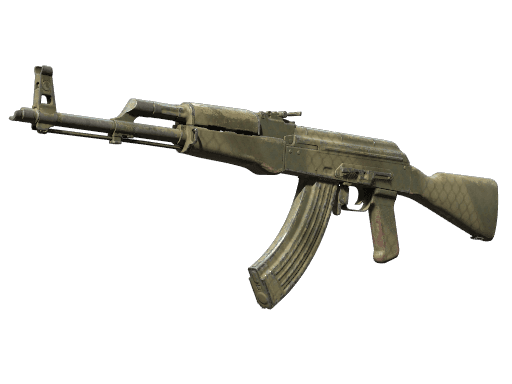
Yet in September and October 2025, the AK-47 Safari Mesh (Factory New) underwent an astronomical price increase, surging from approximately $3 to $58 in just one month – a staggering 20x multiplication. The Souvenir Factory New variant experienced even more extreme appreciation, with current listings ranging from $276 to over $560 depending on the platform, compared to historical prices under $10. By early October, the skin had reached its peak before beginning a rapid decline as buyers refused to pay inflated prices and sellers locked in profits.
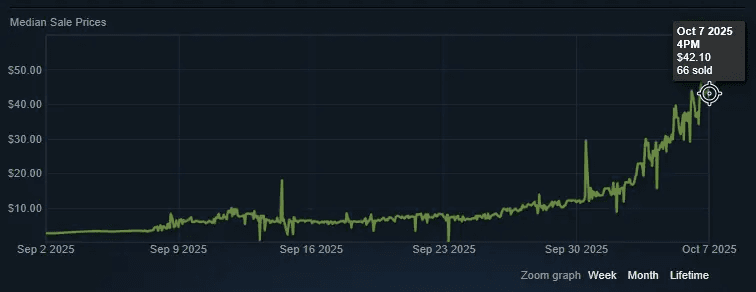
This bizarre price movement had nothing to do with the skin's aesthetic appeal, rarity, or any gameplay changes. According to market analysts, the surge could possibly be fueled by large buyers from China, or simply due to the difficulty in obtaining Factory New specimens of this particular skin. The Safari Mesh example demonstrates how the CS2 market has become disconnected from rational valuation, when one of the game's most aesthetically unappealing and abundant skins can multiply 20-fold in value within weeks, traditional investment principles cease to apply.
Market Manipulation and Coordinated Pump Groups
The Safari Mesh incident is far from isolated. Coordinated Chinese pump groups have been manipulating the CS2 skin market, mainly through Buff163, exploiting low-volume, high-value items like Doppler knives, premium gloves, and cases. With vast capital reserves, these groups execute targeted buying sprees to artificially inflate prices. In a $6 billion market, such coordinated manipulation leaves the economy highly vulnerable to price distortion by deep-pocketed entities operating across multiple skin categories.
Weapon case prices alone have inflated approximately 30% over the past two months, with specific examples like the Fracture Case seeing weekly increases of around 14%. This artificial inflation affects the entire ecosystem, making trading and case opening significantly more expensive for average players while enriching those who can time market manipulation correctly.
The Gambling Connection: Unregulated Markets and Underage Access
The CS2 skins economy's casino-like behavior extends beyond mere price volatility into literal gambling operations. Despite Valve's attempts to restrict third-party skin trading and implement the Trade Reversal feature in July 2025, numerous gambling websites continue operating in legal gray areas, using CS2 skins as casino chips for roulette, dice games, and other gambling activities.
These platforms exist outside regulatory oversight, as many jurisdictions still refuse to recognize in-game items as objects of actual value. This regulatory vacuum means no age verification requirements, no anti-addiction safeguards, and no fairness guarantees. Content creator Coffeezilla's investigation revealed that many gambling sites require minimal login procedures, allowing underage players to use their Steam accounts and skins for unrestricted gambling.
Research has shown that young people aged 12-17 who participate in esports activities show significantly higher engagement in esports betting, and esports gamblers are over three times more likely to meet criteria for at-risk or problem gambling.
A Market Built on Uncertainty
The CS2 skins market has shifted toward a casino-like ecosystem driven by manipulation, speculation, and volatility. Once seen as a stable digital asset class, it now mirrors high-stakes gambling, where even experts admit they can’t predict post-purchase behavior.
The Safari Mesh case embodies this chaos – traditional valuation factors like rarity or aesthetics no longer matter. As values swing unpredictably, traders face a market ruled by manipulation and chance rather than logic or data, blurring the line between legitimate investing and speculative gambling in an unregulated, volatile digital economy.
Don't forget to check out Strafe Esports for all the latest Counter-Strike 2 news and our X account for the latest content and coverage of your favorite eSports.
Also, don't forget to subscribe to our channel on YouTube for exclusive interviews, press conferences, and more.
Featured Image Exclusive to Strafe Esports