
 en
en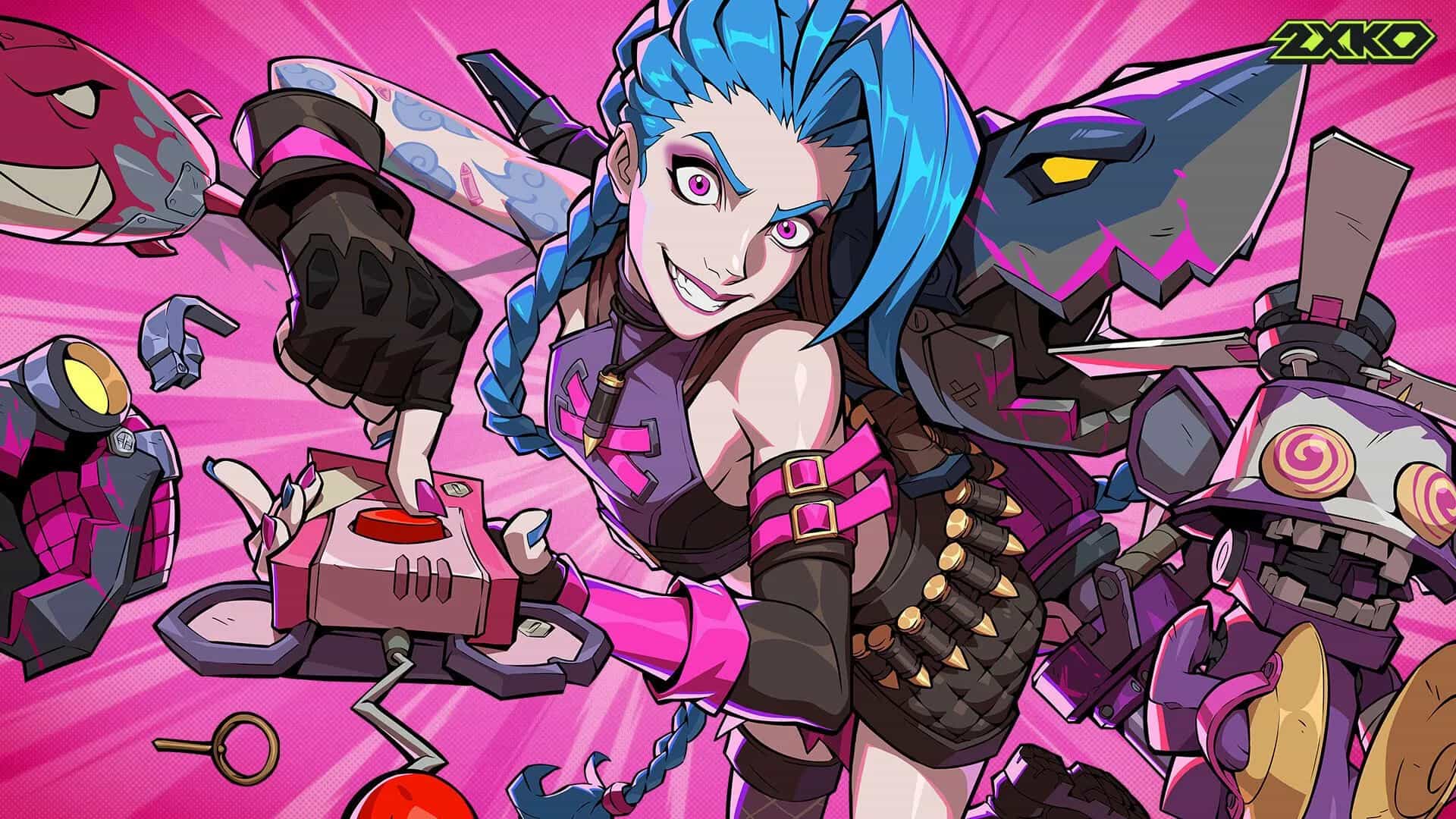
2XKO Closed Beta Review – Riot’s Fighting Game Sets Itself Apart
Riot Games’ latest fighting game, 2XKO, has made waves during its closed beta since September 9, 2025. Drawing both from genre classics and Riot’s pedigree, 2XKO’s first impression is a combination of polished technical execution, strategic depth, and unique takes on fan-favorite mechanics.
2XKO enters a crowded genre traditionally dominated by titles like Street Fighter, Tekken, Mortal Kombat and even Super Smash Bros. While Riot promises a familiar product with League of Legends flair, the closed beta reveals a true hybrid, offering competitive accessibility for both newcomers and veterans.
Onboarding and Community Features
Starting off, the game offers a great tutorial system, easing new players into complex mechanics swiftly. Beyond tutorials, 2XKO’s casual lounge is a standout, allowing players to watch live matches, scout the competition, and join others for quick games.
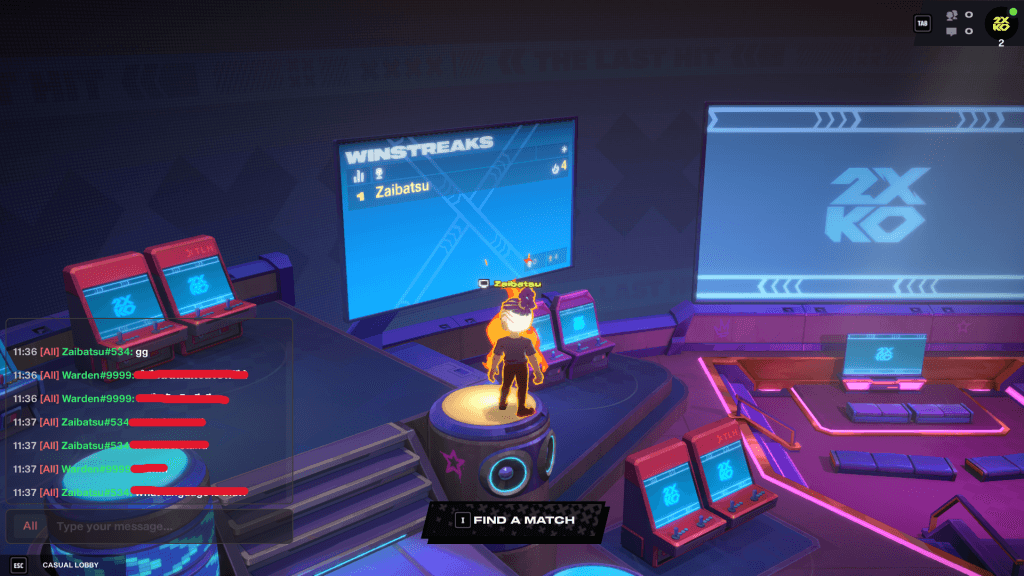
This live, community-driven approach feels more immersive than traditional matchmaking, and the presence of live leaderboards adds a continually engaging layer of competition.
Gameplay: Tag Team Innovation
True to its name, 2XKO’s core gameplay revolves around strategic character swaps and assists. Unlike MK1’s Cameo system (which feels like an occasional support role), 2XKO lets players tag in and out, experiment in both team-ups and solo (even 2v1) situations, and rewards synergy.
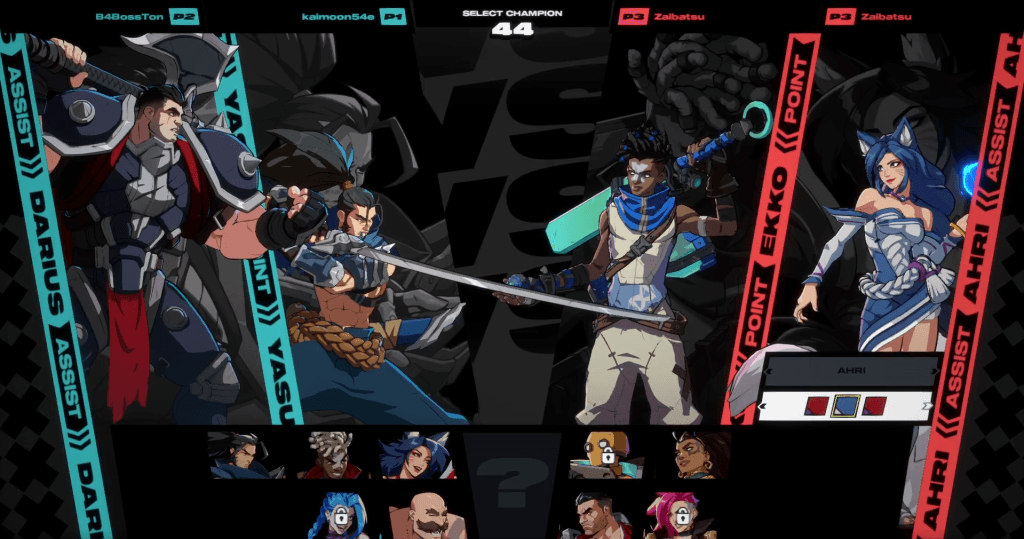
Unlike traditional 2v2 fighting modes found in Super Smash Bros. or Brawlhalla, where both teammates brawl on the stage simultaneously, 2XKO’s tag-team mechanic carves out a unique niche by letting players strategically "tag" between two characters rather than controlling both at once. The result is a game where solo players and duo teams both can shine. The game also allows players to play in 2v1 matchups, where solo players can take on duos, though the meta strategies in these matchups are yet to be found.
Control Schemes and Learning Curves
For players shifting from other fighting games, the controls might require some adjustments. In games like Mortal Kombat and Brawlhalla, the movement-based input scheme (where directional movements change the base attack) contrasts sharply with 2XKO’s button-based input.
Here, each button is dedicated to a specific attack, regardless of direction. This approach might feel alien to users coming from other titles, but after a steep initial learning curve, it opens up flowchart-style combos that, while beginner-friendly, offer strategic nuance at higher levels. Each character also includes a few special directional moves, such as Ahri’s Forward Sweep, bringing in some elements from movement-based games as well.
Move Lists, Combos, and Pulse System
The move list, a crucial tool for learning to play new characters, is accessible mid-match, but confusing button icons muddle the learning experience. Opting for the universal fighting game numbering scheme or clear controller icons would alleviate this. However, the game does provide a chart for these button maps hidden in the settings menu.
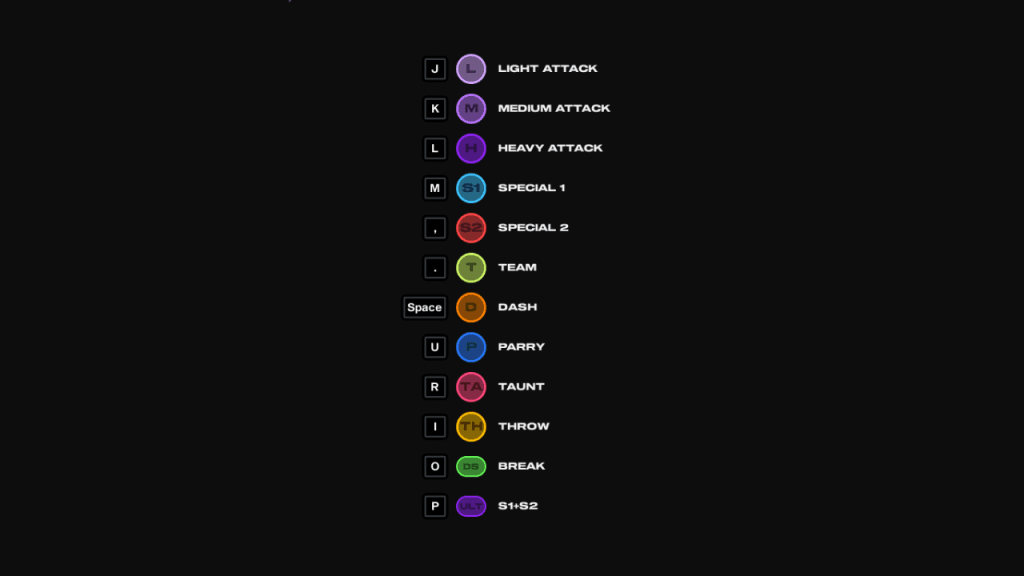
Although combos are satisfying when pulled off, the closed beta meta favors Pulse Combos. The Pulse Combo is an optional feature that can be toggled on in 2XKO, allowing players to perform combos by mashing a single button instead of executing precise, timed inputs.
While this serves as a major crutch for newcomers and makes the game more accessible, it may also promote button mashing over genuine skill development. Although its noob-friendly approach lowers the barrier to entry, the Pulse Combo system can feel out of place in a competitive fighting environment that rewards mechanical mastery.
Character Design and Progression
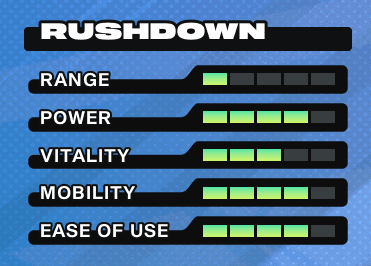
Every character is rated in five areas – Range, Power, Vitality, Mobility, Ease of Use – a system similar to Brawlhalla’s stat spread, but slightly changed up to add some more depth.
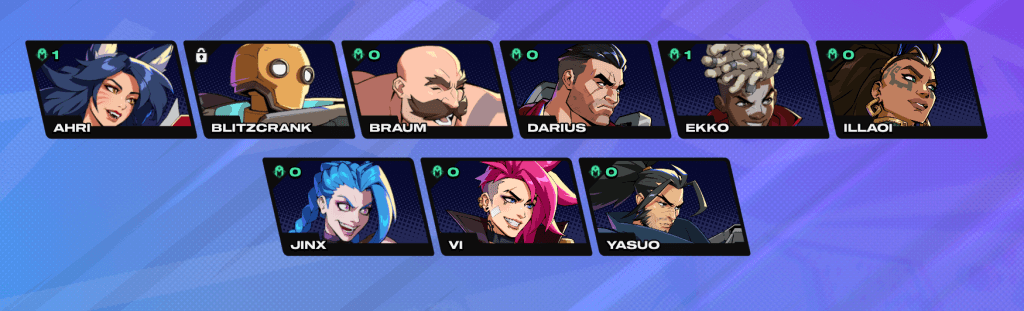
The roster, beginning with six free League champions – Ahri, Braum, Darius, Ekko, Illaoi, Yasuo – expands to nine after unlocking Blitzcrank, Vi, and Jinx. Unlocking is tied to in-game currency (via “Mastery Tokens” and “KO Points”) or credits earned through play, with no paywall blocking core content, though the cost in real currency for KO Points remains unannounced.
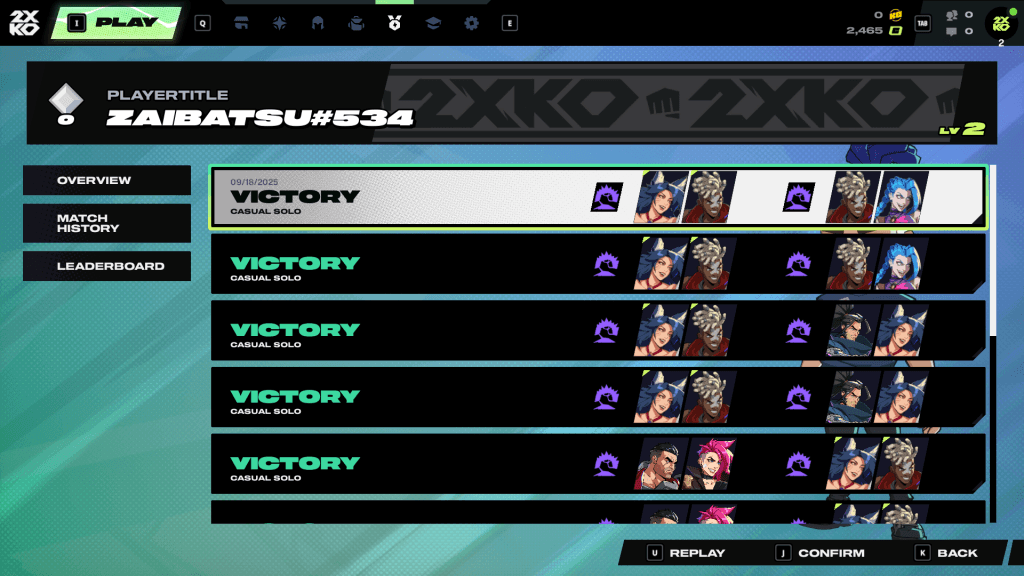
Character progression is robust with mastery tracks for each character and with cosmetic unlocks, titles, avatars, and special chromas.
Visuals, Performance, and Quality-of-Life
On a technical and aesthetic level, 2XKO excels. The art style mirrors League, VALORANT, and Arcane with sharp 2D visuals, fluid animations, and consistent 60 FPS performance, even on mid-range hardware.
Add to that an in-built replay system (right from launch, unlike VALORANT!), robust settings, and lightweight optimization make the experience feel complete and modern. No major lag, freezes, or crashes have surfaced in testing, and the game’s stable frame rate caters to precision gameplay.
Some quality-of-life quirks remain, like needing to access the settings menu every time to quit the game is an unnecessary hassle and should be addressed post-beta.
Final Thoughts
2XKO’s closed beta lays a solid foundation for Riot’s entry into the fighting genre. With a deep, flexible tag team system, player-friendly progression, champion variety, and welcoming social features, it positions itself as a smart blend of accessibility and depth. While its control scheme and UI might need some polish, and the meta may shift as balance tweaks arrive, 2XKO unquestionably builds on the strengths of its peers and predecessors while crafting its own distinct identity. For fighting game fans, especially those familiar with Riot’s universes, 2XKO is a contender worth watching closely.
Follow Strafe Esports for all the latest League news and our X account for the latest content and coverage. Also, stay tuned to Strafe YouTube for exclusive interviews, press conferences, and more.
Featured image credit: Riot Games