
 en
en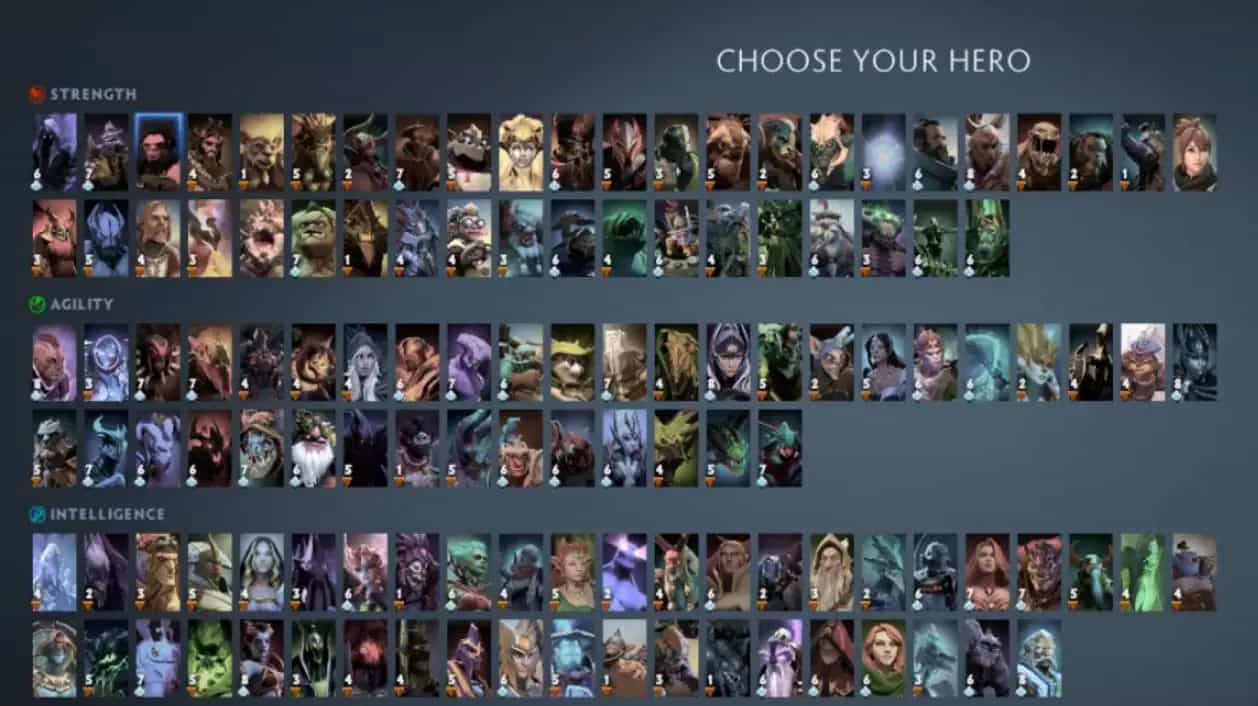
A Conclusive Guide: The New System for Dota 2 Heroes (Patch 7.34+)
Dota 2 is a MOBA game that revolves around heroes. They are the main ingredient, and matches are won or lost based on how weak or powerful a team’s heroes are relative to the opponent’s.
There are four main types of Dota 2 heroes that you can play, and these heroes are good at one or more roles. In this guide, you will learn about this hero classification and how to make use of it to gain an advantage.
General Attributes of Dota 2 Heroes
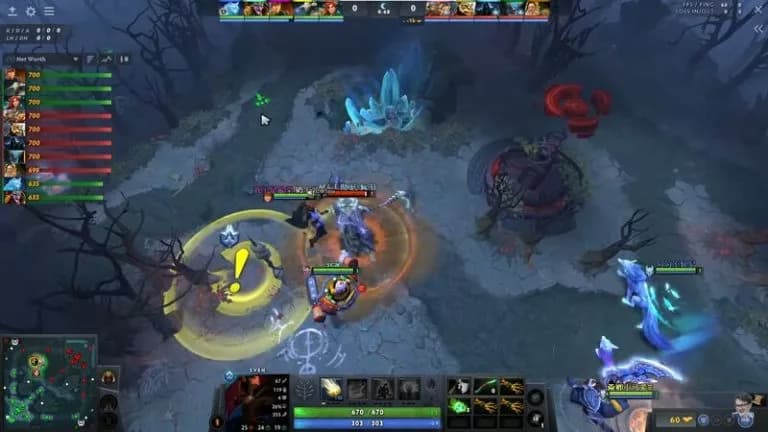
Dota 2 heroes have numerous attributes, which include:
Level
This number ranges from 1 to 30.
Health Points
The more HP a hero has, the more damage it can take before dying.
Mana Points
In Dota 2, mana is required to cast spells and abilities.
Damage
Every Dota 2 hero has a natural attack damage that can be further enhanced by items.
HP Regen
Dota 2 heroes regenerate their HP over time, at a rate dictated by this attribute.
Mana Regen
If your mana regeneration is good, you will always have enough mana for your abilities.
Armor
In Dota 2, armor gives you protection against physical damage and increases your effective HP.
Damage Block
Some items will absorb a certain amount of damage, giving you damage block.
Magic Resistance
In Dota 2, damage can be of several types, and magic resistance protects you against magical damage.
Status Resistance
The higher your status resistance, the weaker the effect of debuffs that are placed on you.
Movement Speed
Each hero can reach a maximum movement speed of 550. The starting point for most heroes is 300. You can purchase items like Power Treads and Boots of Travel to increase your base movement speed.
Attack Rate
Every Dota 2 hero has a base attack rate. This attribute dictates the attack speed or the number of attacks you have per second by default for a given hero.
Attack Range
Different Dota 2 heroes can attack from a different maximum range. A ranged hero like Lina or Sniper can attack from a huge range, while a melee heroes like Juggernaut have a short attack range.
Attack Speed
This number controls your number of attacks per second. Some heroes greatly benefit from increased attack speed, and you can increase this attribute by purchasing attack speed items or agility items.
Attack Animation
Not all heroes attack in the same way. A hero’s attack animation is very important in the early game, when the two teams are constantly fighting for last hits and denies. A slow attack animation makes it harder for you to last-hit and deny creeps.
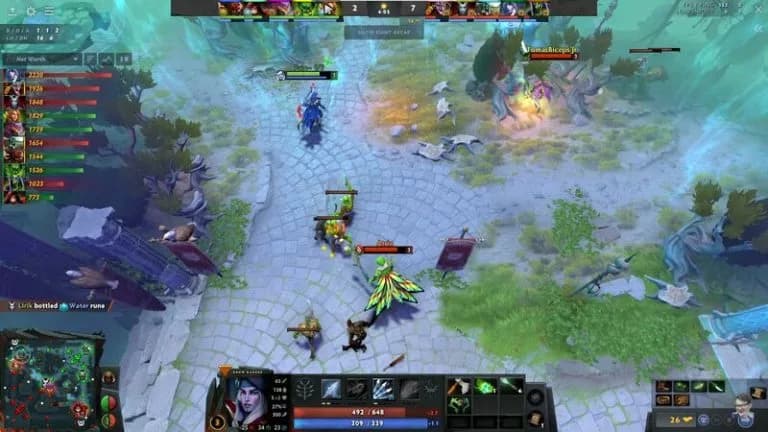
Projectile Speed
Melee heroes have an instant projectile speed. But ranged heroes that use arrows or other kinds of projectiles have different projectile speeds. This is important because ranged attacks can be dodged with a Blink Dagger or some other blinking ability.
Turn Rate
When Dota 2 heroes change their direction or turn around, they don’t do it instantly. The better a hero’s turn rate, the faster he will act in such scenarios. Some abilities, such as Batrider’s Sticky Napalm, greatly reduce a hero’s ability to turn around and move properly.
Collision Size
Most Dota heroes have a collision size of 24. This dictates how big the hero model is inside the game and how likely it is for a Dota 2 hero to get stuck in a narrow space. Or to bump into another hero that sits nearby.
Vision Range
Most heroes have a vision range of around 1800 units by day and 800 units by night. This vision determines how far they will see in every direction when no additional vision is provided by allies, wards, or buildings.
Abilities
All Dota 2 heroes have unique abilities. Usually, a Dota hero will have four abilities. Some heroes, like Invoker, have a lot more. Furthermore, some heroes gain new abilities when you purchase Aghanim’s Scepter or Aghanim’s Shard. Each hero is different in this regard, so you will need to learn them one by one.
Most hero abilities can be skilled at level 1. But almost every Dota 2 hero tends to have an ultimate ability that can only be skilled for the first time at level 6. The second and third levels become available when a hero reaches level 12 and 18. During team fights, your hero’s ultimate ability tends to be very powerful against enemy heroes.
Talents
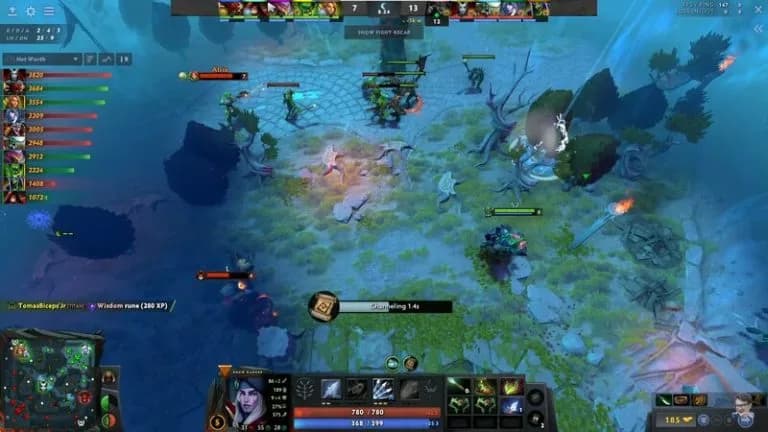
Heroes in Dota 2 have four sets of mutually exclusive talents, which they can access at levels 10, 15, 20, and 25. If a hero goes beyond level 25, it will start to unlock all of its talents.
Dota 2 Heroes Classified by Their Primary Attribute
With the exception of Universal heroes, which I’ll talk about in a moment, every hero in Dota 2 has a primary attribute. This means that the hero gains additional right-click damage from that attribute.
There are three types of main attributes:
- Strength
- Agility
- Intelligence
These attributes give heroes various stats. But if a hero’s primary attribute is strength, agility, or intelligence, that hero will also gain +1 damage for each point he gains in that attribute.
Strength Heroes
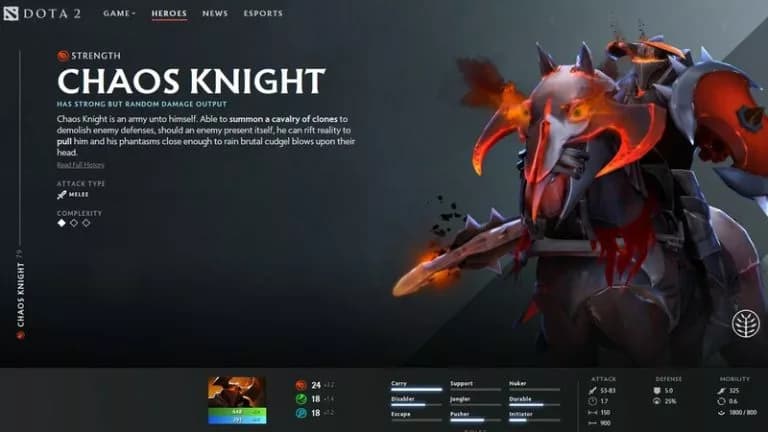
Strength heroes tend to be excellent tanks because they have more HP than other heroes. This category includes popular heroes like Alchemist, Axe, Dragon Knight, Wraith King, and many more.
One weakness of strength heroes tends to be their low armor. Another one is often their low mana pool. But you can always enhance their armor and mana pool by purchasing the right items.
Agility Heroes
Agility heroes tend to excel at the carry role because agility gives you attack speed, armor, and damage (if your hero is agility-based). In the late game, these are, in most cases, the strongest heroes in the game. They’re good at dealing damage to opposing heroes, escaping certain death, and getting kills.
Some of the best agility heroes for this role are Anti-Mage, Morphling, Naga Siren, Faceless Void, Phantom Lancer, and Phantom Assassin. Each of them is a hard carry and will often get picked as part of a lineup that seeks to give them the ability to farm as much as possible, kill enemy heroes, and become stronger than anyone else on the map.
Agility heroes tend to be weak against magic damage because they don’t have as much HP as strength-based heroes. They have a lot of armor from their high agility, but not much magic resistance.
Intelligence Heroes
Intelligence heroes are powerful spellcasters that can deal lots of AoE damage and they tend to be a terrifying foe for any support hero. Some of the best heroes in this category include Invoker, Queen of Pain, Leshrac, Void Spirit, Zeus, and Puck.
An ability like Zeus’ Arc Lightning or QoP’s Scream of Pain can easily deal with illusion-based heroes like Terrorblade or Phantom Lancer. It can also prevent crowd-controlling heroes like Magnus, Earthshaker, and Enigma from using their Blink Daggers.
Intelligence heroes tend to be played in the mid lane and have excellent mana pools. As the game progresses, they become quite powerful against supports but relatively weak against carry heroes. That’s because of the fact that many carries will purchase a Black King Bar or a Linken’s Sphere to protect themselves from spells.
Of course, an experienced player will wait out the effect of a BKB, but that’s not always a viable option. Fights often take place at a rapid pace, which forces players to use their abilities if they want to have an impact.
Apart from powerful mid heroes that are intelligence-based, the game also offers powerful support heroes for this category. Examples include Crystal Maiden, Lich, Lion, and Silencer.
Universal Heroes
This is a relatively new category of Dota 2 heroes and they tend to excel at everything. Many people from Dota 2’s pro scene have requested that they get nerfed, because regardless of what the current meta is, they always get spammed and abused, especially in late-game scenarios.
Among the most popular heroes in this category, you should definitely experiment with Timbersaw (his Reactive Armor is perfect for beginners because it keeps you alive and at full HP), Broodmother, Abaddon, Beastmaster, Dark Seer, and Chen.
Dota 2 Heroes Classified by Their Role
In Dota 2, you can play one of five roles:
- Position 1: carry
- Position 2: mid
- Position 3: offlaner
- Position 4: roamer
- Position 5: support
In the past, people also used to use heroes in the jungler role. But that role has disappeared from the game almost entirely. Not because you can’t jungle with certain heroes, but because the lanes are so important that you cannot afford to allow the enemy team to simply win one of them with ease.
The more you play a certain role, the better you become at it. Most role specialists that you will find in the Ancient and Divine MMR brackets have honed their skills over thousands of games. They know everything about each position and can always find a strong pick that will deal effectively with the enemy team.
They also know what the perfect item build is for each given hero depending on the matchup. Whether you buy a Manta Style or an Echo Sabre, the goal is to gain an edge and make good use of your gold.
The Position 1 Carry Role
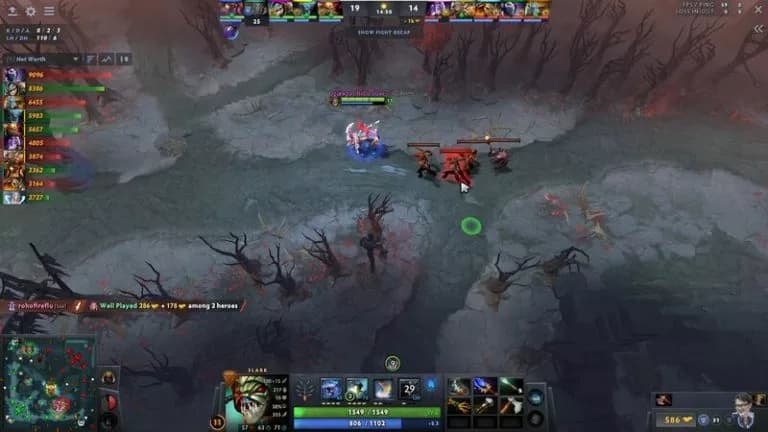
This is the role that many Dota 2 players want to specialize in. But it’s not necessarily the one that’s best suited for you. Playing carry is hard and takes a lot of patience. You need to constantly farm and be in the right place at the right time throughout the game.
And when the big fights finally happen, your positioning and decision-making must be exceptional. Otherwise, all of your networth will be useless. If you get killed early, your team will lack the damage it needs to win the fight. Because of this, you should never turn yourself into the enemy side’s main target.
You will be their main target, but you must not let them catch you with their ultimates and attacks. The way in which you position yourself is crucial. You need to pay attention to what your tank is doing and wait for him to initiate. The goal is to avoid some of the most powerful enemy spells and deal as much damage as possible.
Even though it’s often tempting to skip the Black King Bar, a good carry player will almost always buy this item to protect himself from all the crowd-control abilities that his opponents possess.
Carry heroes tend to be very weak at the start of the game and very powerful after the 30-minute mark. Some of them become strong a lot faster. Others will need to farm more to be able to fight without risking their lives.
Depending on your team’s strategy and the enemy team’s picks, you should choose for yourself a carry hero that has the highest chances of making a big impact and can outscale the enemy carry if the game goes beyond the 40-minute mark. In every battle, you will be your team’s most important damage dealer.
The Position 2 Mid Role
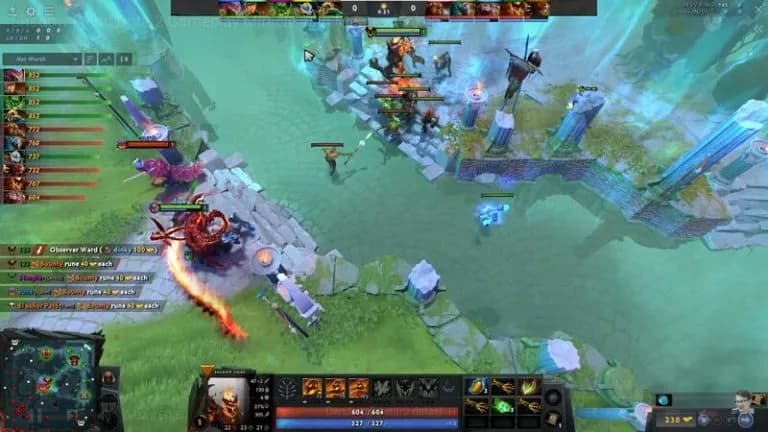
This role is all about technique and individual prowess in 1v1 situations. It also requires you to have a good understanding of when you need to put pressure on your enemies and when you should simply farm.
A team’s midlaner is often expected to move around the map in order to put pressure on the enemy lanes and heroes. Even if you don’t achieve much by doing this, you will give your carry enough space that he can use to farm and become stronger.
While moving from one part of the map to another, you should always strive to farm as much as possible but without compromising your carry’s farming patterns. In Dota 2, a lot depends on how efficient you are at farming and moving around the map.
On each lane, creeps will spawn every 30 seconds. They are easy to kill and give you a lot of gold. But there are plenty of jungle camps that you should farm as well. They respawn once per minute and the goal is to farm as many of them as possible.
While you’re doing this, you must always pay attention to the minimap. If the enemy team is now showing enough heroes, it might be in the process of smoke-ganking you. One thing that all good players learn is that in Dota 2, you can’t just do whatever you want to do at all times. You need to be disciplined and play in a safe way.
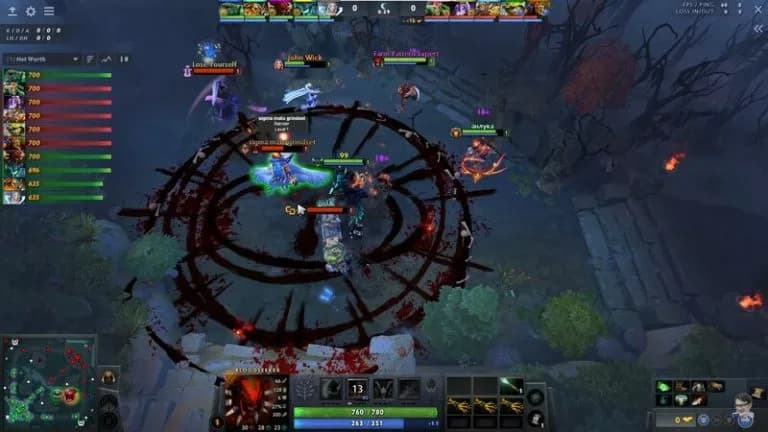
The Position 3 Offlaner Role
This position is perfectly suited for heroes that have excellent initiation abilities and are naturally tanky. It’s also suited for heroes that can farm quickly without needing additional damage items. That’s because you really need to use your gold to buy utility and mobility items.
Offlaners in Dota 2 usually purchase a Mekansm, a Pipe of Insight, or other items that give their entire team a big boost during fights. A quick calculation will lead you to the conclusion that a Pipe of Insight, when used optimally during a massive team fight that could determine the fate of the game, is worth a lot more than its price.
Heroes that people often pick for the offlane role are Tidehunter, Beastmaster, Broodmother, and Underlord. From time to time, Centaur, Pudge, and other heroes of this nature make an appearance.
The Position 4 Roamer Role
Roamers are heroes that can move across the map quickly and help every lane. One example includes Earth Spirit. His ability to roll using Rolling Boulder, silence enemies, stun them, and deal massive damage to an entire team makes him very appealing. However, he is not easy to play.
Roamers constitute one of the more dynamic elements of a team, especially during the laning phase.
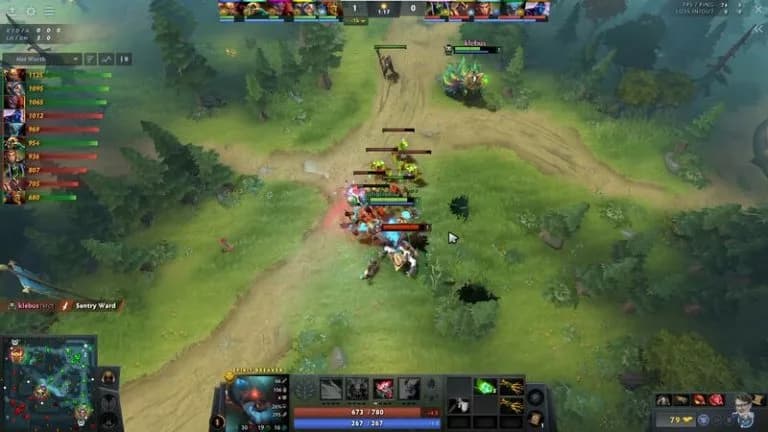
The Position 5 Support Role
This hero needs to babysit the carry for the first 5-10 minutes and make sure that he farms well. If the carry’s early game is poor, the game will be lost in most cases. If you can secure kills for your position 1 teammate, even if you get killed yourself, go for it. If not, try to at least not die.
During team fights, it’s very useful to have a support hero that can make a big impact. Examples include Disruptor, Dazzle, and Witch Doctor. All of them can offer excellent protection to their teams and destroy opponents with their abilities. Even if they manage to save one teammate or kill one enemy, their impact will be felt.
Most support heroes have at least one skill that’s very strong and it tends to be their ultimate.
Easy Dota 2 Heroes Versus Difficult Dota 2 Heroes
Some Dota 2 heroes tend to be easy to learn and use. These are heroes that have a very simple job and only require you to press a few buttons. Examples include Phantom Assassin, Anti-Mage, and Omniknight. Professional players like Artour “Arteezy” Babaev. absolutely love heroes like Anti-Mage.
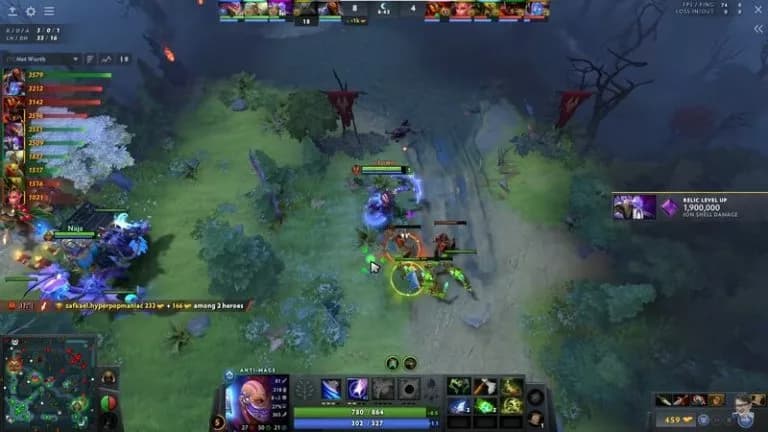
Other heroes are extremely hard to learn because they have illusions, numerous abilities, or item builds that include lots of elements that create the need to press a lot of buttons in the right order.
For example, a Dota 2 hero like Meepo will require you to pay attention to each clone and make sure that all of them stay alive, farm where they need to farm, and so on. A hero like Invoker requires you to learn how to invoke and use 10 different spells. Furthermore, you also need to know how to do combinations with them.
When you want to become a better Dota 2 player, you should figure out as soon as possible what your personal style is. Learning sophisticated heroes can yield a huge benefit if you can actually master them. But few players can, especially in the lower MMR brackets.
Whenever you see an Invoker at 3000 MMR, you know he’s most likely going to fail. People would much rather have a Queen of Pain mid than an Invoker, just because it’s easier to execute a strategy that revolves around her abilities than one that revolves around an Invoker’s.
Header: Valve Corporation