
 en
New CS2 Update Changes Reload Mechanics Entirely

Counter-Strike 2 just received a patch that changes how every magazine‑fed weapon reloads, pushing the game away from its long‑standing arcade ammo model and closer to a light simulation of real magazines. The same update also extends in‑game map guides to competitive play and makes it easier to join friends on Workshop and Practice maps.
How Reloads Worked Before
Until this patch, reloading in CS2 pulled ammo from an abstract reserve pool: Any bullets left in the current magazine went straight back into that pool, so players could hit reload after one bullet or twenty without losing rounds.
This model rewarded constant “topping off” and created a habit where players reloaded after nearly every duel, as long as they felt safe for a second or two. The ammo counter mattered far less than timing and positioning.
What the New CS2 Reload System Does
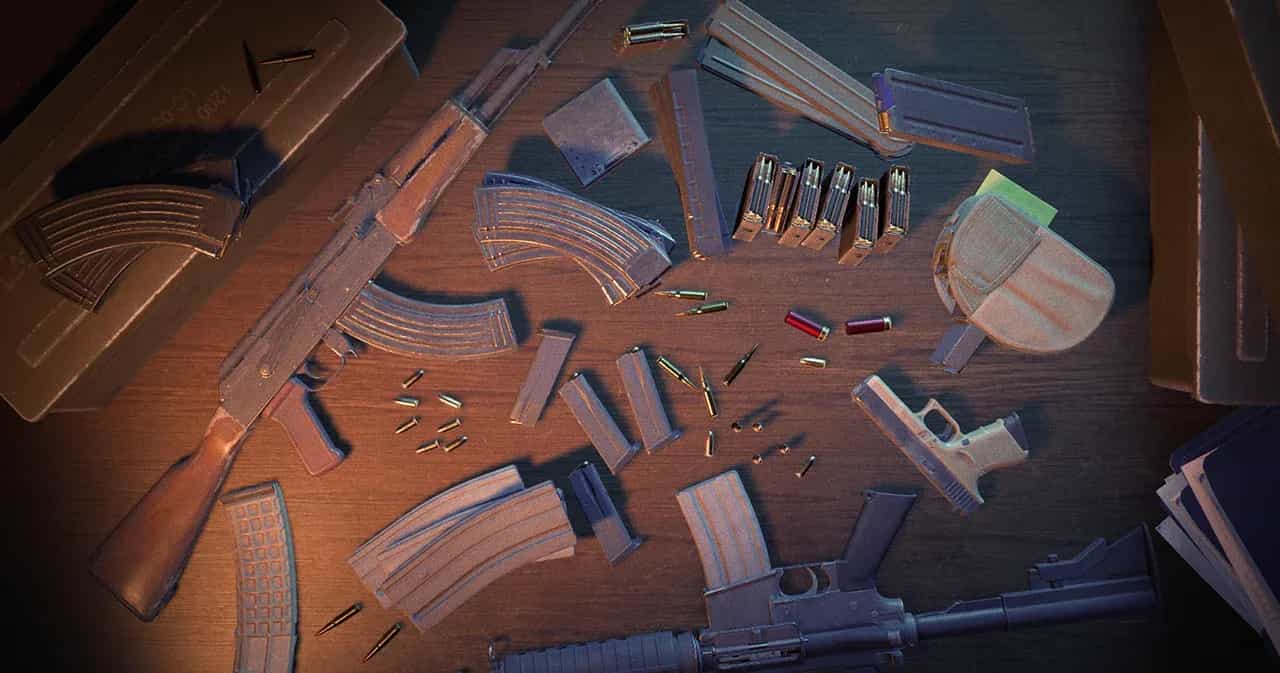
With the new update, reloading a magazine‑fed weapon discards whatever ammo is still in that magazine. A fresh full magazine comes out of your reserves and goes into the gun, while the old one is gone for good.
Reserve ammo now appears in a way that matches the weapon type. Some guns show a number of spare magazines, others show shells or loose bullets, so the HUD mirrors how that weapon stores ammunition in the game world. The interface also gains a fill indicator under the ammo count, which shows how full the current magazine is without forcing you to read exact numbers.
Valve also adjusted how many reserve magazines each weapon has. Many guns sit around three full magazines of reserve ammo, while some weapons receive fewer or more mags to encourage either careful precision or heavy spam through smokes and walls, depending on their intended role.
Why Valve Changed Reloads
The previous system made reload timing important but did not punish waste. A player who reloaded after every short spray gave up only a few frames of vulnerability, not resources over the course of a round.
By discarding the current magazine, the game turns reload into a clearer trade‑off. You regain a full mag and a fresh spray pattern, but you pay with bullets that never return. This ties ammo management to round economy and makes weapon choice more deliberate in long fights.
The new model also lines up more closely with the way many tactical shooters treat magazines, where swapping early keeps you safe in the next duel, yet slowly drains the total pool of rounds available for the whole round or map.
How the Ammo Meta May Change
Players who built a habit of reloading after every short burst will run out of bullets much earlier in halves. A single careless entry round with spam through smokes can burn through two or three magazines, leaving very little for a retake or a late‑round save.
Spray control and round counting gain value. Rivals who manage to finish duels on ten or fifteen bullets and delay their reload will have more ammo left across multiple engagements, especially during anchor roles or drawn‑out executes.
Pistol and secondary weapon usage may rise. Swapping to a sidearm in a close fight, instead of hitting reload on a rifle with a half‑full mag, now avoids wasting an extra magazine while still keeping pressure on the opponent.
Other Changes in the New CS2 Update
Map Guides in Competitive Matches
The patch also enables limited map guides in Competitive and Retakes during the first five rounds of each half, with a cap of thirty guide nodes. These guides act as in‑game visual hints for utility, positions, or basic plans, aimed mainly at early‑round structure rather than late‑round improvisation.
Server operators can control who sees and edits guides with the command sv_allow_annotations_access_level, which now uses three values: 0 for disabled, 1 for limited view, and 2 for full and editable access. The command sv_annotation_limits_max_rounds_per_half, set to 5 by default, defines how many rounds per half guides remain active, and it accepts −1 for no limit.
Minimal starter guides now exist for every Active Duty map, giving teams a baseline of hints even before they subscribe to community‑made versions. Previous updates already tied map guides to Workshop content for use in casual online modes, which allowed players to pull curated utility lineups directly into live games.
Joining Friends on Workshop and Practice Maps
The update also smooths out custom play sessions. When a player loads a Practice or Workshop map and has Open Party enabled in their settings, friends can now join the session straight through the friends menu.
Before Valve added this type of integration, players usually joined custom maps through manual console commands, lobby tricks, or even port forwarding on home routers, as community guides and videos documented. Direct join support lowers that friction and should make aim maps, utility labs, or custom modes part of regular warm‑up routines.
What to Expect in the Coming Weeks
Teams and players now need to test how each weapon feels with the new reserve counts and discarding reloads. Some guns that rely on long sprays may shift down in priority on maps where extended holds are common, while rifles that reward disciplined burst fire may gain ground.
Scrim matches and early tournaments after the patch will likely show new norms for when players choose to reload, when they swap to pistols, and how much spam they commit to in common choke points. At the same time, wider use of map guides and easier access to Workshop sessions should shorten the time it takes for new lineups and setups to spread through the player base.
Stay tuned to Strafe Esports for more Counter-Strike news and information. Don't forget to follow us on social media for real time updates of your favorite game.
Feature image credit: Valve
Read also: