
Esports Betting
/
Esports Betting News
/
Rainbow Six Siege X vs VALORANT – which 5v5 is easier to play?
Rainbow Six Siege X vs VALORANT – which 5v5 is easier to play?
Publish Date: 24/07/2025
Fact checked by:
Alyx Tzamantanis
Key Points
- Valorant is far more beginner-friendly, with simpler recoil, fewer Agents, and more forgiving maps.
- Siege X has better long-term depth, but a much steeper learning curve.
- Both games are thriving, but if you want to learn fast and frag early, Valorant’s your best choice.
Siege X vs Valorant: Which Tactical Shooter Is Better for New Players?
Starting out in either of these games can feel like being thrown into the deep end with a blindfold on. Both Rainbow Six Siege X and Valorant are built around a 5v5 core, a shared focus on utility, and the promise that brains can beat raw aim.
Are you wondering which one of them really respects your time as a new player? Well this Siege X vs Valorant article will walk through what makes each game tough (or forgiving), from recoil and map complexity to onboarding and Agent overload. If you’ve ever hovered over “Install” and hesitated, this one’s for you.
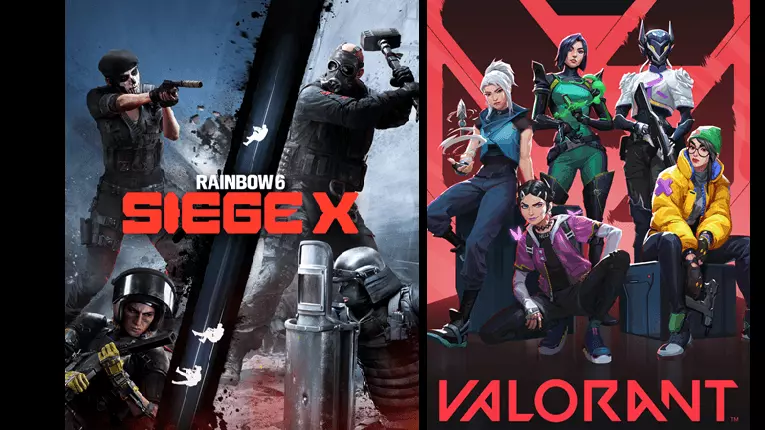
Siege X vs Valorant: The backstory
This debate got fresh legs on Valorant betting sites after Siege X’s major relaunch on June 10, 2025, which added a hybrid F2P model, revamped tutorials, and even a 6v6 Dual Front mode to onboard new players. Meanwhile, Valorant has just finished rolling out console support, making both titles more accessible than ever.
With millions logging into each game every month, the time’s right to finally answer the important questions. Which one’s easier to pick up, and which one demands more sweat? Let’s cut to the chase before jumping into more detail:
| ➕ Category | 👍 Easier Game | ➡️ Why |
|---|---|---|
| Roster Size | Valorant | Fewer Agents, more focused learn path |
| Mechanics | Valorant | Easier spray control, consistent gunplay |
| Map Knowledge | Valorant | No destruction, flatter layouts |
| Onboarding | Siege X | Dual Front mode, hands-on tutorial suite |
| Queue Size | Valorant | Bigger player pool, shorter wait times |
| Meta / Learning Curve | Siege X | More depth, more long-term reward |
Table of Contents
Roster bloat and tactical depth
One of the first headaches in any tactical shooter is staring down the massive list of characters and wondering what half their gadgets even do.
| 🔎 Siege X: 74 Operators and climbing | 💡 Valorant: 27 Agents, more manageable |
|---|---|
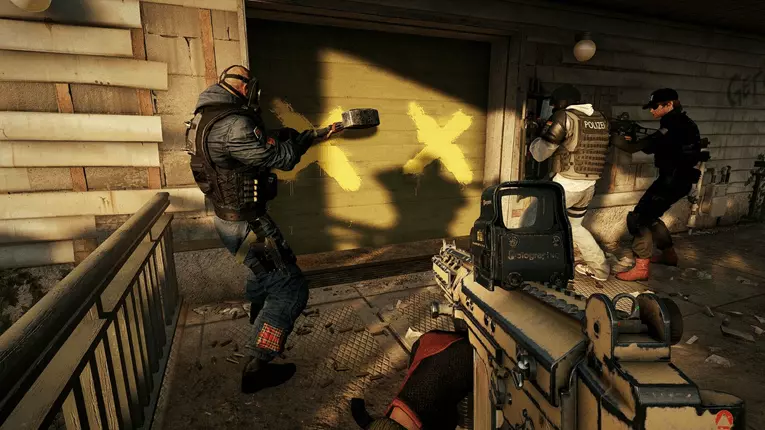
| Siege’s roster is enormous. As of Year 10, you’ve got 74 Operators, each with a unique gadget. Some of which directly counter other gadgets. Learning who does what (and why Thatcher ruins your Kaid setup) takes serious time. The free-to-play tier launches with 26 Operators, while Ranked (and the rest of the 74-strong roster) sit behind a paid upgrade. | Valorant feels like a breath of fresh air here. You start with five Agents, get two more from the tutorial, and unlock the rest slowly through contracts or micro-transactions. And most importantly, you’ll run into the same core Agents a lot. Which means you’ll actually learn them faster. |
Mechanical skill-floor
Here’s where the Siege X vs Valorant debate starts to really split.
| 🔎 Siege X: Wild recoil, faster death | 💡 Valorant: Consistency wins |
|---|---|
| Siege’s gunplay is… well, Siege. Most weapons have a steep vertical and horizontal recoil climb, and many fights are over in one bullet. You also have to ADS (aim down sights) to be accurate. And your movement slows while doing it. It’s punishing, especially if you’re used to games like CS or VAL. Oh, and peekers’ advantage is real in Siege. A lot of fights are decided before you even see your enemy. | Gunplay in Valorant is tight and almost predictable. First-shot accuracy is reliable, spray patterns are consistent after a few bullets, and time-to-kill (TTK) sits right in that Goldilocks sweet spot. Not too fast, not too slow. You’ll still get wrecked if your crosshair isn’t at head level, but once you learn how to pre-aim, you’ll start winning fights quickly. |
Macro & map knowledge
This is the part that really separates the casuals from the sweaty stackers.
|
🔎 Siege X: A maze of walls and windows |
💡 Valorant: Lanes and lineups |
|---|---|
| You’re not just learning 20+ legal maps. You’re learning every floor, every destructible surface, and every sound cue that might give away a roamer. A hole in the floor might be a cheeky angle… or just a death trap.
Do you reinforce this wall? Can you safely plant in that corner? It takes hours of YouTube and trial runs to just not get pre-fired through a ceiling. |
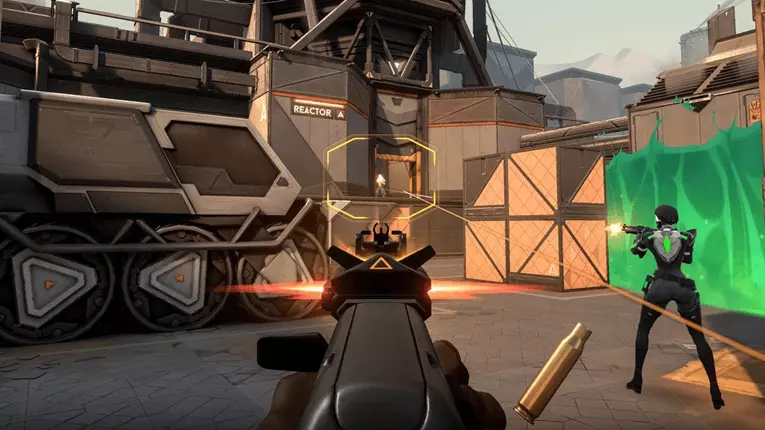
VAL maps, by contrast, are clean and mostly flat. Sight-lines are set. The only real map gimmicks come from Agent abilities (like Raze’s Boom Bot or Viper’s wall), and once you’ve learned 11 maps, you’re good to go.
Yes, knowing post-plant molly line-ups can win rounds, but you’re not getting shot through the floor by someone on the third level. Progress is way easier to track. |

Onboarding & practice modes
Both games have made an effort to help new players ease into the game. But the depth (and limitations) of those systems are very different depending on where you start.
| 🔎 Siege X: Dual Front changes the game | 💡 Valorant: Solid start |
|---|---|
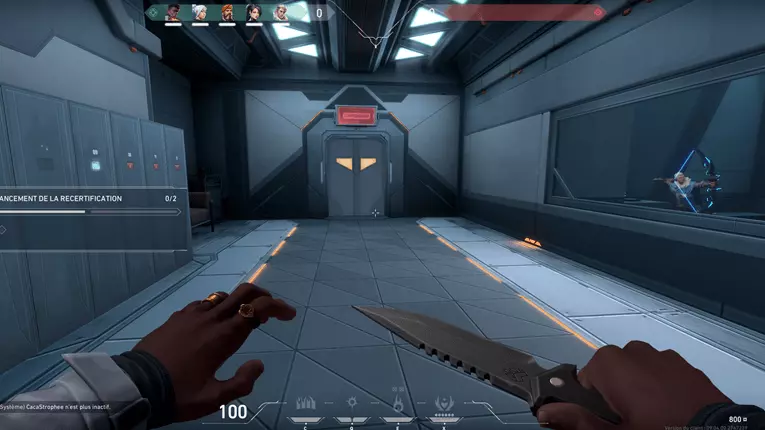
| The Dual Front mode is a blessing. It’s 6v6 with respawns, so you can actually practise your Operator and aim without getting instantly deleted. Add in a new tutorial suite and simplified comms wheel, and Siege’s onboarding has never been better. Still, the gap between training and actual Ranked matches is steep. | VAL's Basic Training and Practice Range are clean and effective. You’ll learn how to plant, shoot, peek, and use your Agent in under 20 minutes. But once that’s done, that’s it. Riot quietly removed advanced training drills, and players weren’t happy. It’s still a solid onboarding, but Siege arguably gives you more space to fail without consequence now. |
Queue times, toxicity, and player comfort
If you're new and just trying to get games in without a headache, queue times and overall vibe matter a lot. Let’s break down how Valorant vs Siege X stack up when it comes to finding matches.
|
🔎 Siege X: Growing again but still clunky |
💡 Valorant: Big pool & fast games |
|---|---|
| Steam shows 111,000 daily active users, which isn’t bad at all. But queue times can stretch, especially in Ranked. Ubisoft’s Year 10 push includes dynamic matchmaking and better anti-toxic tools, but it still feels slower than VAL. | With nearly 7 million daily players, Valorant queues are short and matchmaking feels fair more often than not. Riot’s toxicity filters and report systems are decent (if not perfect), and the console release means you’ll always find a game. |
Easy to learn vs. hard to survive: You decide
If we’re talking ease of entry, Valorant wins hands down. The gunplay’s cleaner, the Agent pool won’t melt your brain, and the maps don’t punish you for breathing wrong. You’ll get into games faster, win a few rounds, and actually feel yourself improving. And to be honest, that early feedback loop matters more than people think.
Top 5 Trusted Esports Platforms Offering Massive Bonus Deals




3.

4.7/5
Copy
T&Cs / 18+

4.
4.5/5
Visit PlayBracco
T&Cs / 18+

5.
4.5/5
Visit Prophet X
T&Cs / 18+
Latest News
Every free Fortnite cosmetic you can unlock right now: Your guide to exclusiv...
Fortnite has a variety of free skins, emotes, ...
Master the Overpowered Weapons in Fortnite: They’re Back to Haunt Us in 2026
Overpowered weapons can be real game changers in ...
Dota 2 Salaries Impact: Are High Pro Wages Harming the Esports Scene in 2026?
Several esports organizations are pulling out of the ...
Projecting Mobile Legends player count for 2026: Trends and forecasts
Mobile Legends: Bang Bang (MLBB) has long been ...
VALORANT Patch Notes 12.11 2026: Detailed Overview and Expert Guide on Creati...
Hello Valorant fans. A new update is here, ...
Latest News:
- $750 million video game cheating ring shutdown by police in China
- 10 best Fortnite seasons ever, ranked
- 10 worst Fortnite skins ever released
- 5 changes Valve needs to make to fix Largo in Dota 2: Essential improvements for a better experience this 2026
- 5 heroes we expect to dominate the Dota 2 meta in 2026: Expert predictions and analysis
- 5 strategies for PUBG's relevance in 2026: Insights on future updates and community engagement
- 5 things we want from Apex Legends in 2026: Features and improvements we hope to see
- 500 makes a comeback against Furia and moves to the Quarter-Finals!
- A rundown on the IEM Sydney 2023 Europe Open Qualifier 1. What went down?
- Aftermath of ESL Pro League 18's Opening Rounds – Group C
MORE ON ESPORTS
🥇 COMPETITIVE ESPORTS
🔥 NEWS & HOT TOPICS
Our News Sitemap:
Our Team