
Esports Betting
/
Esports Betting News
/
Valorant Gambling Continues to Grow in 2025, Here’s Why
Valorant Gambling Continues to Grow in 2025, Here’s Why
Publish Date: 16/09/2025
Fact checked by:
Alyx Tzamantanis
Key Points
- Valorant gambling volume jumped +175% YoY in 2024, outpacing every other top-tier eSport.
- Riot now officially supports betting sponsors for Tier-1 Valorant teams in EMEA and the Americas.
- Valorant markets are among the fastest-growing segments, second only to CS2 on many regulated books.
Valorant Betting in 2025: Market Growth, Legalization, and Gen-Z Demand
In 2024, Valorant gambling was a footnote in most books. Now, in 2025, it’s suddenly front-page material. The game’s global market share doubled in under a year, and it’s leading the charge in live wagers, micro-markets, and Gen-Z engagement.
We’re seeing Riot loosen the sponsorship reins, sportsbooks double down on official data, and new markets from LATAM to the US open up almost monthly. So this isn’t just a trend. It’s a complete shift. Here’s why eSports bettors, and the books that serve them, are locking in.

A snapshot of the Valorant gambling market
Valorant’s growth in the eSports betting world is backed by hard numbers. In 2025, the title has carved out a legit seat at the table, pulling more share than ever and riding momentum across markets. Here's a look at the current landscape:
| ✅ Category | 🗓️ 2025 Status |
|---|---|
| Global eSports betting value | $14.9B (projected $24.3B by 2028) |
| Valorant’s global handle share | 4.8% (11.5% in North America) |
| Valorant YoY betting volume | +175% |
| Live/in-play market share | +28% |
| eSports-authorized U.S. states | 19 (plus 19 grey, 13 prohibited) |
| Top growth region | LATAM (+27% YoY turnover share) |
| Primary betting data feed | GRID ultra-low latency |
The global numbers are no joke
eSports betting as a whole is absolutely booming. $14.9 billion in 2025 and tracking toward $24.3 billion by 2028 if that 17.8% CAGR holds. CS2 and League of Legends still own most of the pie (83% combined), but Valorant is punching way above its weight class this year.
It now accounts for 4.8% of global handle, but that jumps to 11.5% in North America, where it’s Riot’s #1 eSports betting title and now outpaces the much older Dota 2. And thanks to data, we know this isn’t a fluke. Valorant’s regulated betting volume jumped +175% year-over-year in 2024, outpacing every other tier-one eSport.
For context, these are the most popular eSports titles for betting in North America. Ranked by share of the total betting handle:
| 💡 eSports Title | ▶️ North America Betting Handle Share |
|---|---|
| League of Legends | 43.3% |
| Counter-Strike 2 | 27% |
| Call of Duty | 12.2% |
| Valorant | 11.5% |
| Dota 2 | 6.9% |
Riot’s big sponsorship pivot
Back in June 2025, Riot changed the game for good. Teams competing in Tier-1 Valorant (and League) can now sign with licensed betting brands under one condition. All data and betting markets have to go through GRID.
No ads on Riot streams, no sketchy promos, and every deal has to include integrity safeguards. But for teams, it’s finally a new monetization path. And for books, it’s direct access to fanbases that used to be untouchable.
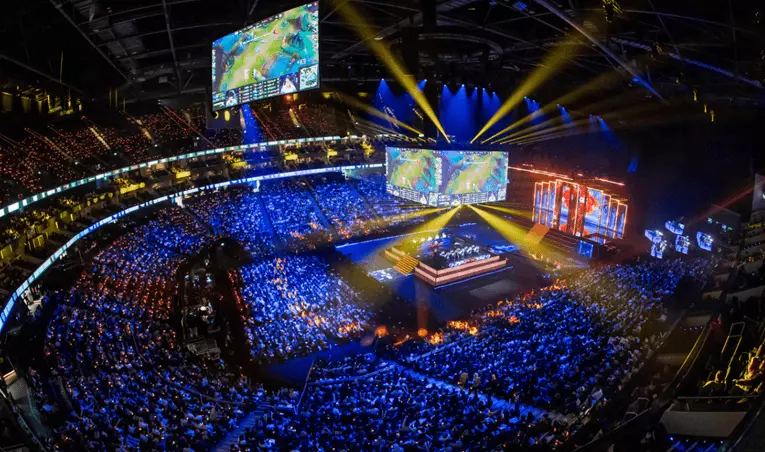
Real-Time tech is fueling the boom
Live markets are where Valorant betting sites are starting to shine, and the tech is absolutely part of it.
1️⃣
Ultra-low latency feeds
Thanks to GRID’s sub-second data feed, regulated books can now offer in-play bets that refresh as fast as the stream shows the play. We're talking pistol-round picks, first-blood wagers, bomb-plant markets. Stuff that used to be too risky for anyone but skins sites.
The speed here is what’s changing bettor behavior. Once a book starts offering 30+ micro-bets per map, session times and total stake go up. Easy win for operators.
2️⃣
AI odds & bet builders
Some books are layering in AI-driven bet builders. That’s sticky content, and Valorant’s utility-heavy meta gives these systems plenty to work with.
Legal green lights & regional momentum
As of May 2025, 19 U.S. states fully allow eSports betting, and 19 more are in grey zones. Ontario is live, Brazil just launched regulated eSports markets this January, and Mexico is gearing up.
LATAM’s been especially huge. Their turnover jumped +27% YoY, and the region now holds 10.3% of the global eSports handle, with Valorant leading that charge in Brazil and Mexico.
Each time a region legalizes eSports lines, bettors move from crypto books and skins sites to real, regulated sportsbooks. That means better odds, real player protections, and clearer affiliate paths.
Gen-Z is the core audience
This is the part nobody can ignore. According to stats, 44% of all eSports bettors are Gen-Z (18–27), and their average bet size is higher than the traditional-sports crowd. They’re mobile-first, crypto-friendly, and have zero patience for clunky UIs. Valorant checks all their boxes with clean visuals, constant rounds, and streamers hyping every angle. Books that nail UX and offer deeper props (agent picks, round-specific combos) are winning this demo. It’s not just about odds, it’s about the whole experience.
And that experience needs to be snappy. A lot of Gen-Z bettors place bets while watching Twitch or TikTok side-by-side. So in-play markets, one-tap betslips, and custom combo builders aren’t just nice extras, they’re requirements. Sportsbooks that build around this rhythm are the ones capturing session time and loyalty.
Clean probes & trusted data
Integrity has always been the elephant in the room. But Riot’s been proactive. On July 30, 2025, they wrapped an NA-Challengers investigation into betting-related match-fixing and found zero evidence of wrongdoing. Third-party watchdogs like Sportradar and IBIA were part of the process.
Add Riot’s mandatory use of GRID’s official feed, and bettors get something they rarely trust elsewhere. Clean data, real-time reporting, and enforced accountability. That alone pulls high-stakes punters off unlicensed sites.

More events = more markets
If this growth keeps up, VCT Champions 2026 is going to be a monster for betting handle. Add in the full launch of VCT China and the rise of mid-week global events, and there’ll be almost no off-season downtime.
Expect more same-game parlays, more AI-curated props, and deeper tie-ins between VCT content and book promos.
Valorant has proven itself
Valorant’s gambling is exploding in the betting space. Between Riot’s publisher support, new legal doors opening, Gen-Z demand, and turbo-fast official data, it’s no wonder regulated sportsbooks are finally all-in.
We’re way past the “is this viable?” stage. Valorant betting is now a core part of the eSports economy. Sportsbooks are designing products specifically around its pace, teams are building fan funnels around sponsorships, and fans are getting smarter, faster, and more invested with every round. If you’ve been on the sidelines, now’s probably the time to jump into a regulated book, explore some VCT markets, and see what all the fuss is about.
Our Top Picks for Sites with Huge Bonuses




3.

4.7/5
Copy
T&Cs / 18+

4.
4.5/5
Visit PlayBracco
T&Cs / 18+

5.
4.5/5
Visit Prophet X
T&Cs / 18+
Latest News
Every free Fortnite cosmetic you can unlock right now: Your guide to exclusiv...
Fortnite has a variety of free skins, emotes, ...
Master the Overpowered Weapons in Fortnite: They’re Back to Haunt Us in 2026
Overpowered weapons can be real game changers in ...
Dota 2 Salaries Impact: Are High Pro Wages Harming the Esports Scene in 2026?
Several esports organizations are pulling out of the ...
Projecting Mobile Legends player count for 2026: Trends and forecasts
Mobile Legends: Bang Bang (MLBB) has long been ...
VALORANT Patch Notes 12.11 2026: Detailed Overview and Expert Guide on Creati...
Hello Valorant fans. A new update is here, ...
Latest News:
- $750 million video game cheating ring shutdown by police in China
- 10 best Fortnite seasons ever, ranked
- 10 worst Fortnite skins ever released
- 5 changes Valve needs to make to fix Largo in Dota 2: Essential improvements for a better experience this 2026
- 5 heroes we expect to dominate the Dota 2 meta in 2026: Expert predictions and analysis
- 5 strategies for PUBG's relevance in 2026: Insights on future updates and community engagement
- 5 things we want from Apex Legends in 2026: Features and improvements we hope to see
- 500 makes a comeback against Furia and moves to the Quarter-Finals!
- A rundown on the IEM Sydney 2023 Europe Open Qualifier 1. What went down?
- Aftermath of ESL Pro League 18's Opening Rounds – Group C
MORE ON ESPORTS
🥇 COMPETITIVE ESPORTS
🔥 NEWS & HOT TOPICS
Our News Sitemap:
Our Team